- Introduction
- Who This Article Is For
- 1. Honda Super Cub — The Bike That Put the World on Two Wheels
- 2. Honda CB750 — The First Superbike
- 3. Yamaha SR400 — Simplicity That Refused to Die
- 4. Kawasaki Ninja (GPZ900R) — The Birth of the Modern Sport Bike
- 5. Suzuki GSX-R750 — Race Bike for the Street
- 6. Honda Gold Wing — The King of Long-Distance Touring
- 7. Yamaha R1 — The Modern Superbike Era Begins
- Why These Bikes Matter (For You)
- The Experience You Can Only Have in Japan
- Common Beginner Mistakes (And How to Avoid Them)
- So… Can You Actually Ride in Japan?
- The Easiest Way to Start (Without Failing)
- Final Thought
- FAQ
- Related Articles
Introduction
Want to see how Japanese motorcycles changed the world? Watch this:
Japanese motorcycles aren’t just “reliable.”
👉 They changed how the world experiences freedom.
And the best part?
👉 You can still ride where that story began—in Japan.
New to riding in Japan?
Start here before you go deeper:
👉 Start Here | Hamamatsu Golden Garage
Who This Article Is For
This guide is perfect for:
- First-time visitors thinking about riding in Japan
- Riders curious about Japanese motorcycle culture
- Beginners who feel excited—but also unsure where to start
- Travelers who want more than sightseeing
- Anyone who wants a real, emotional experience—not just information
If you’ve ever thought:
👉 “Can I actually do this?”
You’re in the right place.
1. Honda Super Cub — The Bike That Put the World on Two Wheels
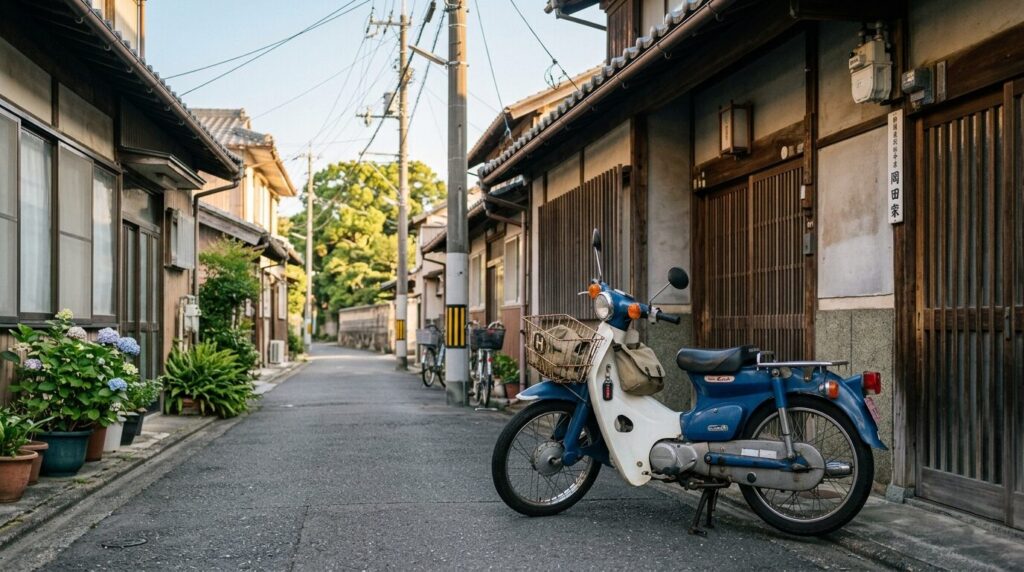
If there’s one motorcycle that truly changed the world, it’s this.
- Over 100 million units sold
- Simple, durable, and almost impossible to break
- Used everywhere from Tokyo streets to rural Asia
But numbers aren’t the real story.
The Super Cub made motorcycles normal.
Before this, bikes were loud, intimidating, and “for enthusiasts.”
After this? Anyone could ride.
👉 It turned motorcycles into everyday life.
Experience it in Japan:
Ride through Hamamatsu’s quiet backstreets and you’ll still see Cubs parked outside homes, shops, and factories.
Want to understand how motorcycles became part of everyday life in Japan?
👉 Explore Japanese Motorcycle Culture
2. Honda CB750 — The First Superbike
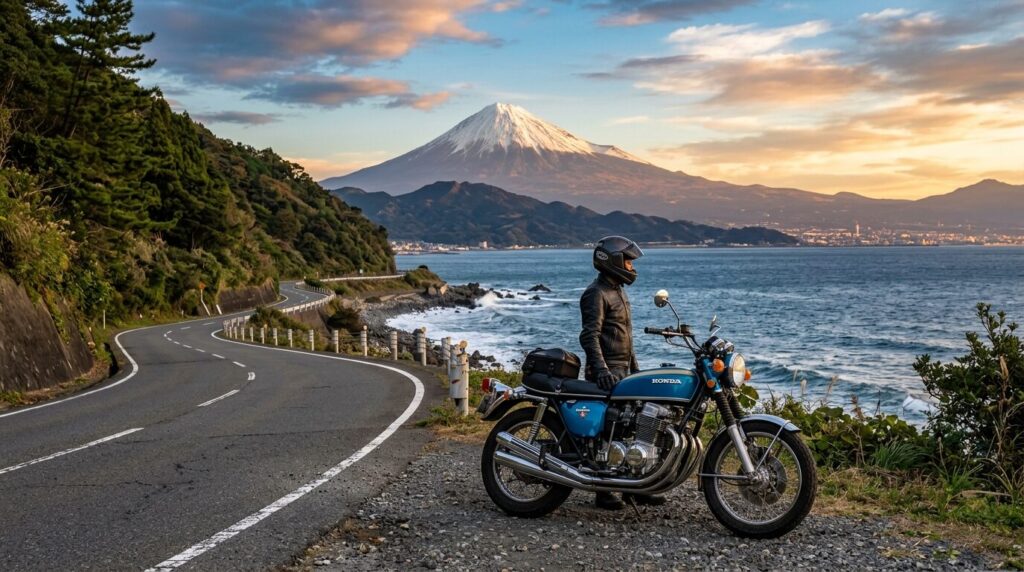
Before the CB750, motorcycles were either fast or reliable.
Honda said:
“Why not both?”
- First mass-produced inline-four engine
- Disc brakes (rare at the time)
- Smooth, powerful, and affordable
It didn’t just compete—it reset the standard.
👉 This is the moment Japan overtook Europe in motorcycle innovation.
Common mistake:
People think modern sport bikes started in the 2000s.
Nope—this is where it began.
3. Yamaha SR400 — Simplicity That Refused to Die
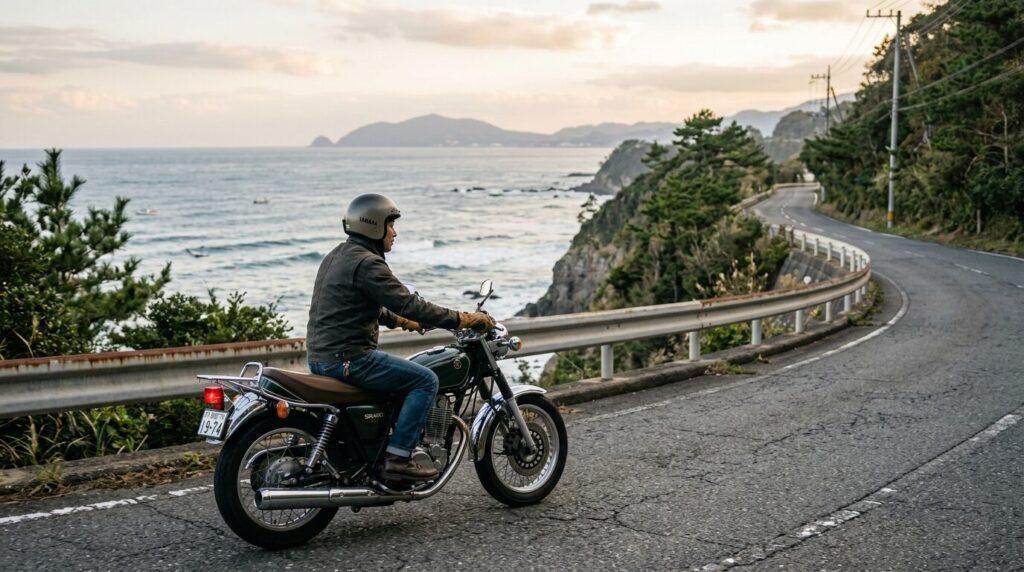
In a world chasing speed and tech, Yamaha did something weird:
They didn’t change.
- Air-cooled single cylinder
- Kickstart only (yes, seriously)
- Produced for over 40 years
Why?
Because riders didn’t want perfection.
They wanted connection.
👉 The SR400 proves that “feeling” beats specs.
In Shizuoka:
This is one of the best bikes to cruise coastal roads slowly, actually feeling the wind instead of racing it.
4. Kawasaki Ninja (GPZ900R) — The Birth of the Modern Sport Bike
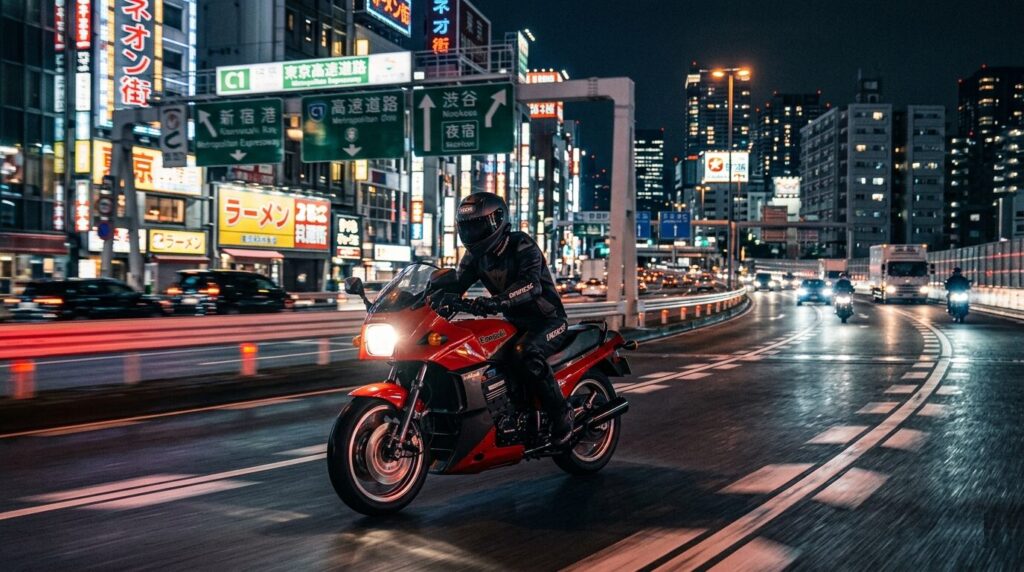
You’ve heard the name “Ninja.”
This is where it started.
- First true high-performance sport bike
- Liquid-cooled engine
- Revolutionary speed for its time
Also made famous by Top Gun (yeah, that scene).
👉 It turned motorcycles into something cinematic.
Reality check:
Most riders underestimate how radical this bike was.
It didn’t follow trends—it created them.
5. Suzuki GSX-R750 — Race Bike for the Street
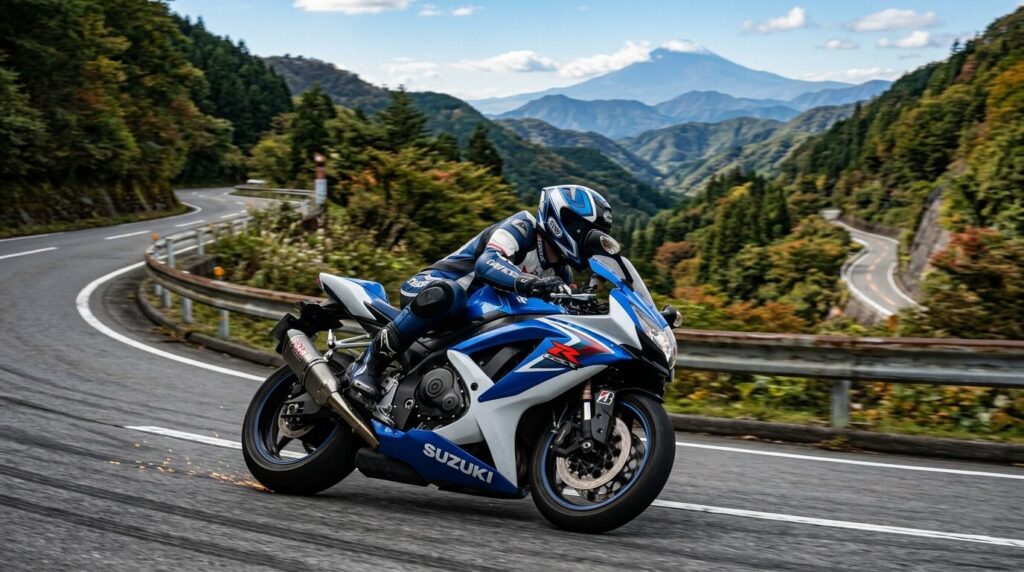
Suzuki basically said:
“Let’s put a race bike on public roads.”
And somehow got away with it.
- Lightweight frame
- Aggressive riding position
- Built for performance, not comfort
👉 This changed rider expectations forever.
After this, “fast enough” was no longer enough.
6. Honda Gold Wing — The King of Long-Distance Touring
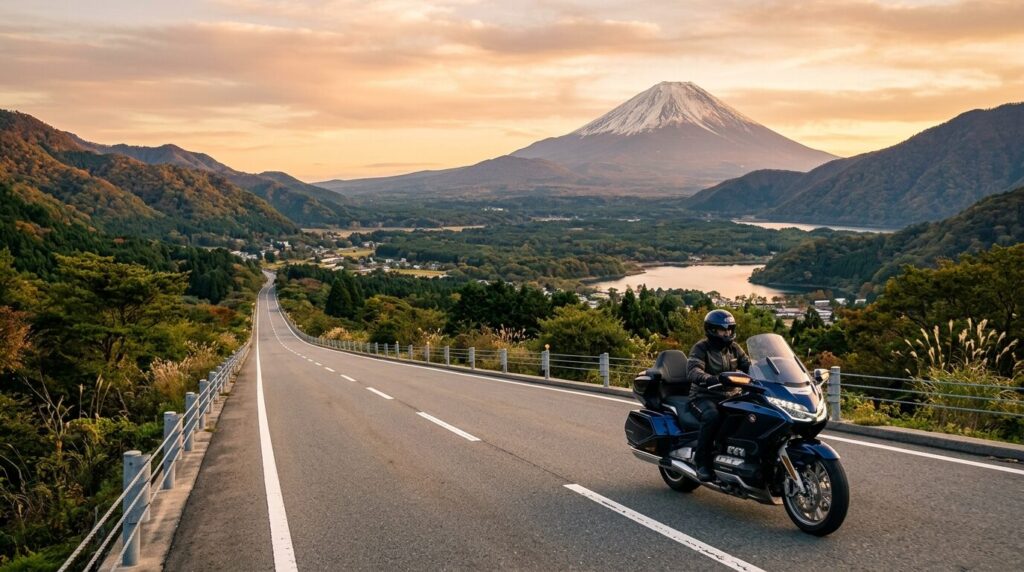
This one flipped the script completely.
- Huge engine
- Comfortable seating
- Built for long journeys, not speed
Before this, motorcycles were short-distance machines.
The Gold Wing said:
👉 “What if you crossed an entire country on two wheels?”
In Japan:
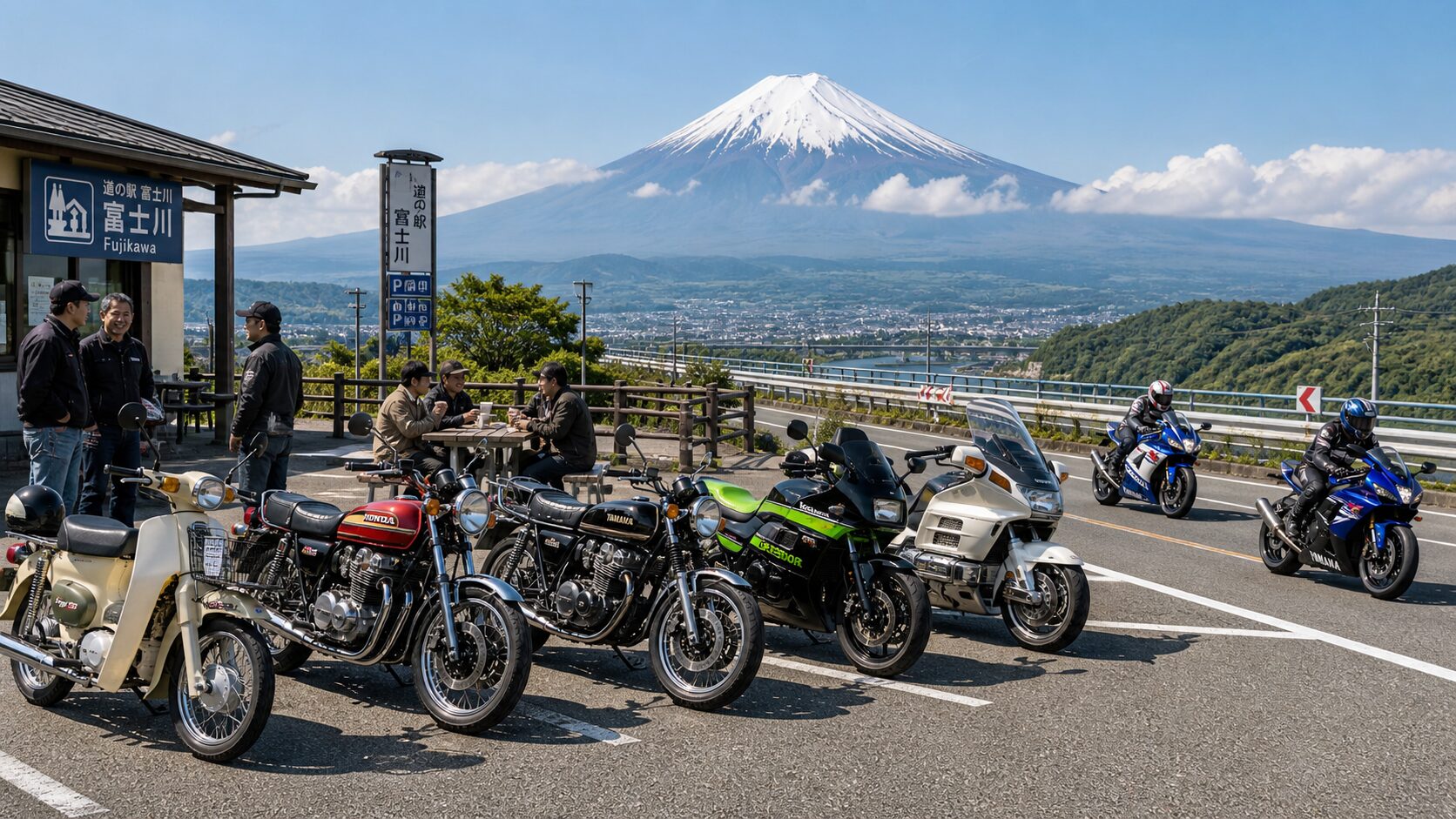
Imagine riding past Mount Fuji, hours on the road, no rush—just distance and silence.
That’s the Gold Wing mindset.
7. Yamaha R1 — The Modern Superbike Era Begins
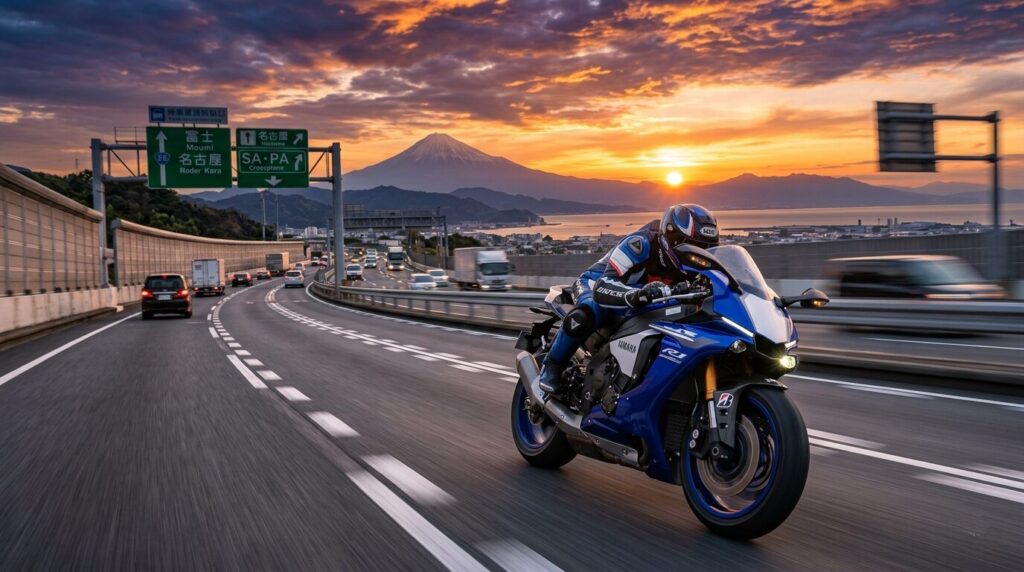
When the R1 dropped, everything changed again.
- Insane power-to-weight ratio
- Compact design
- Track-level performance
👉 This is where modern superbikes were born.
Every fast bike today owes something to this machine.
Why These Bikes Matter (For You)
These bikes didn’t just improve performance.
They changed something deeper:
- Riding became accessible
- Speed became emotional
- Travel became identity
👉 The real value isn’t the machine
👉 It’s how your experience changes
That gap between “just moving” and “feeling alive”
That’s where the real value is
If you want the full picture of motorcycle touring in Japan—routes, costs, and planning:
👉 Ultimate Guide to Motorcycle Touring in Japan (Routes, Costs & Tips)
The Experience You Can Only Have in Japan
This is what riding in Japan actually feels like:
Most articles stop at history.
Here’s what they miss:
👉 You can actually live this.
Imagine:
- Riding along the Shizuoka coast at sunrise
- Passing through Hamamatsu’s industrial night roads
- Seeing Mount Fuji appear slowly as you ride
This isn’t tourism.
👉 This is participation.
Want to actually experience roads like this?
Here are real routes you can ride:
👉 Motorcycle Routes | Hamamatsu Golden Garage
Common Beginner Mistakes (And How to Avoid Them)
Before you get too excited—this matters.
Mistake 1: Overplanning Everything
Japan feels complex, so people overthink.
👉 Reality: Start simple. One route. One day.
Mistake 2: Ignoring Local Rules
Japan is safe—but strict.
👉 Small mistakes = big stress
Mistake 3: Choosing the Wrong First Experience
Jumping into advanced touring too early
👉 Leads to anxiety, not enjoyment
Before you ride, avoid the most common beginner mistakes:
👉 Riding in Japan: Mistakes That Can Ruin Your Trip
So… Can You Actually Ride in Japan?
Short answer:
👉 Yes. Even as a beginner.
Long answer:
- International license works
- Roads are safe and well-maintained
- Navigation is easier than expected
The only real problem?
👉 Not knowing where to start
If you’re still unsure, this guide will walk you through everything step by step:
👉 Can You Rent a Motorcycle in Japan? What Tourists Often Get Wrong
Renting a Motorcycle in Japan: What Tourists Must Know Before Riding
👉 First Drive Japan™
Driving in Japan for the First Time | Avoid Mistakes & Drive with Confidence
The Easiest Way to Start (Without Failing)
If you’re thinking:
👉 “I want to try this, but I don’t want to mess it up…”
Then don’t guess.
Start here: Start Here | Hamamatsu Golden Garage
This is the safest, simplest way to understand how to ride in Japan for the first time.
Final Thought
These motorcycles didn’t just change history.
👉 They changed how people feel about movement, freedom, and identity.
And now—
👉 You can experience it yourself.
FAQ
Do I need a special license to ride in Japan?
You need an International Driving Permit (IDP) based on the 1949 Geneva Convention.
Is riding in Japan safe for beginners?
Yes. Roads are well maintained, and drivers are generally respectful.
What is the best area to ride in Japan?
Shizuoka is one of the best areas, especially around Mount Fuji and the coast.
Can I rent a motorcycle easily?
Yes, but availability and requirements vary. Planning ahead is important.
What is the biggest mistake beginners make?
Trying to do too much too fast.