- Introduction
- Who This Article Is For
- 🎧 Song of the Day
- Why Japanese Motorcycles Are So Popular Worldwide
- Japanese vs European vs American Motorcycles: What’s the Real Difference?
- Reliability That Changes How You Ride
- Affordable Without Sacrificing Quality
- The Hidden Power of Japanese Engineering
- Built for Real-World Riding Conditions
- The Ecosystem Behind Japanese Motorcycles
- Beginner-Friendly but Expert-Approved
- Is It Easy for Foreign Riders to Ride in Japan?
- Real Popular Models Worldwide
- Why Japan Is the Best Place to Experience These Bikes
- What Your Riding Experience Will Feel Like in Japan
- Start Your Motorcycle Journey in Japan
- 🔥 From Understanding to Experience
- 🎧 Drive into the golden era
- Conclusion
- FAQ
- Related Articles
Introduction
Imagine riding through smooth mountain roads with a machine you completely trust.
No stress.
No breakdown worries.
Just you, the road, and total control.
That’s the real reason Japanese motorcycles are loved worldwide.
But here’s the truth most articles miss:
👉 It’s not just about “reliability” or “price.”
👉 It’s about how these bikes change your riding experience.
In this guide, you’ll discover:
- Why Japanese motorcycles dominate globally
- The hidden engineering philosophy behind them
- Real-world riding advantages (not theory)
- And why riding one in Japan—especially in Shizuoka—feels completely different
If you’re planning to ride in Japan, this article will change how you choose your bike.
If you’re exploring Japanese motorcycle culture more broadly, start here:
👉 Ultimate Guide to Motorcycle Touring in Japan
Who This Article Is For
This guide is perfect for:
- First-time riders choosing their first motorcycle
- Riders planning a trip to Japan
- People curious about Japanese engineering culture
- Riders who value reliability over hype
- Touring lovers who want stress-free riding
🎧 Song of the Day
Hand-picked 80s songs for touring, driving, and exploring Japan’s golden era.
The 1980s marked Japan’s golden age — when Japanese motorcycles, synthesizers, black audio electronics, car audio systems, karaoke machines, City Pop, and model kits helped shape modern global culture.
👇 Press play before reading
Before exploring why Japanese motorcycles are trusted worldwide, press play on “Back In Black” by AC/DC. That legendary opening riff doesn’t just start a song — it feels like an engine igniting. Powerful. Precise. Built to last. Just like Japanese engineering.
Released in 1980, Back In Black helped define the transition into 80s music, where raw rock power met increasingly refined audio production. The guitar tone is sharp, controlled, and incredibly durable in character — a sound built with intention. This is where Japanese music technology quietly played a major role.
That’s where BOSS guitar effectors come in.
BOSS is a Japanese brand — born from Roland, a company founded in Hamamatsu, Japan.
And even today, BOSS remains one of the world’s top guitar effects brands, trusted by professional musicians across the globe. Known for reliability, durability, and precision, BOSS pedals became the gold standard — much like Japanese motorcycles.
The clarity and punch of that era were shaped by BOSS guitar effectors, developed in Japan by Roland. BOSS pedals became global standards for distortion, compression, and tone shaping — tools trusted by professional musicians worldwide. Much like Japanese motorcycles, BOSS effectors were known for reliability, durability, and precision. Step on a BOSS pedal, and it just works — night after night, stage after stage.
This same DNA lives in Hamamatsu:
Music → Yamaha instruments
Sound → Sony electronics
Precision → motorcycles and model kits
Different industries. Same philosophy. Japan Great Quality.
Press play. Feel the power. Experience Japan. 🏍️🔥
From guitars to engines, Hamamatsu helped shape the sound and motion of modern Japan.
Why Japanese Motorcycles Are So Popular Worldwide
The Simple Answer: They Always Work
Let’s start with the truth.
👉 Japanese motorcycles are popular because they don’t fail.
No drama.
No surprises.
They just work.
And that reliability changes everything.
Japanese vs European vs American Motorcycles: What’s the Real Difference?
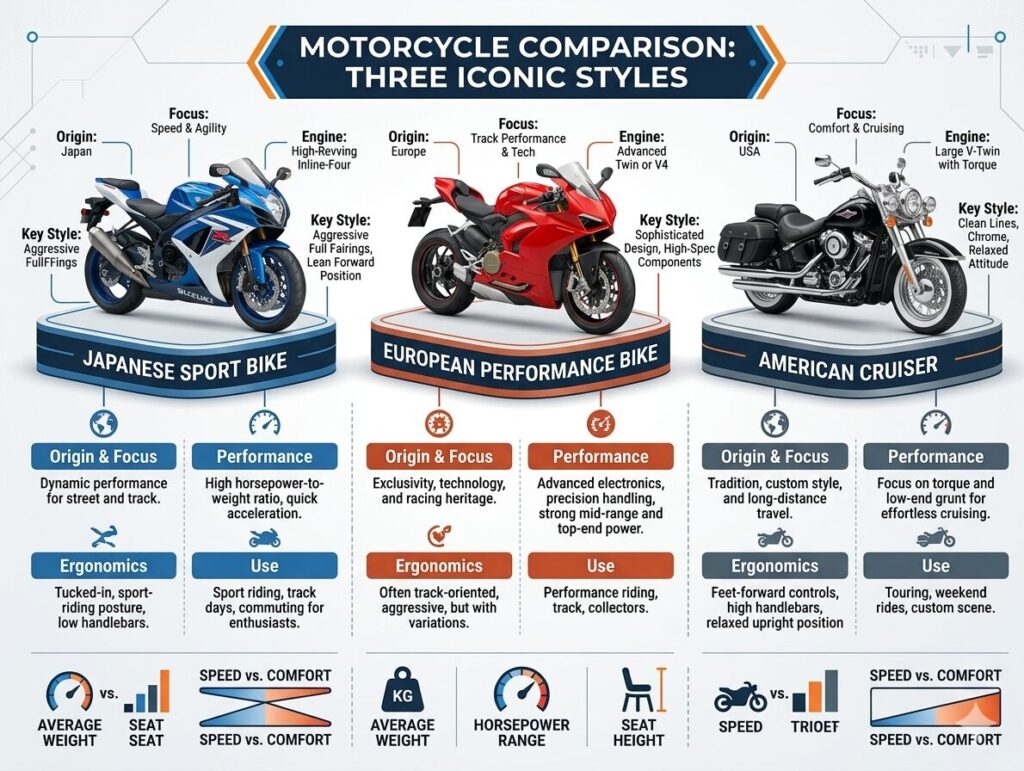
If you’re choosing a motorcycle, you’re not just choosing a machine—you’re choosing a riding experience.
Here’s how Japanese motorcycles compare globally:
Japanese Motorcycles
- High reliability
- Low maintenance cost
- Beginner-friendly
- Balanced performance
European Motorcycles
- High performance and design
- Advanced electronics
- Higher maintenance costs
- Less forgiving for beginners
American Motorcycles
- Strong torque and cruising comfort
- Heavyweight design
- Best for straight highways
👉 If your goal is stress-free, everyday riding, Japanese motorcycles are often the most practical choice.
Reliability That Changes How You Ride
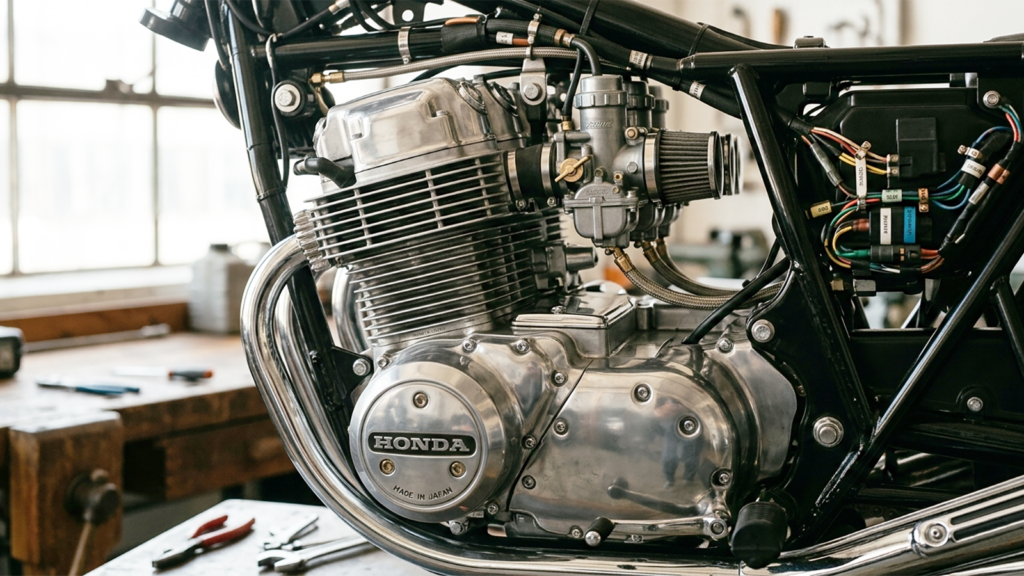
Long Lifespan (50,000–100,000km+)
Many Japanese motorcycles easily exceed:
- 50,000 km
- 100,000 km
- Even more with proper care
This isn’t marketing.
It’s why bikes like the Honda Super Cub are still used daily after decades.
Low Maintenance = More Freedom
Owning a Japanese bike means:
- Parts are easy to find
- Repairs are simple
- Maintenance is predictable
👉 Result: You spend less time worrying and more time riding.
Affordable Without Sacrificing Quality
Price vs Performance Balance
Japanese brands achieved something rare:
👉 High quality at a reasonable price
You get:
- Strong performance
- Consistent build quality
- Lower entry cost
Real Ownership Cost Advantage
The real difference is long-term:
- Better fuel efficiency
- Lower repair costs
- Less frequent breakdowns
👉 This is why many riders choose Japanese bikes first.
The Hidden Power of Japanese Engineering
Watch how Japanese motorcycles are built with extreme precision:
🏍 Suzuki Hayabusa
Precision Manufacturing
Japanese motorcycles feel different because they are:
- Smooth
- Stable
- Predictable
This comes from extreme precision in manufacturing.
Kaizen: Small Improvements That Win
Instead of big changes, Japan focuses on:
👉 Continuous small improvements
Over time, this creates massive advantages.
If you want to understand the deeper philosophy behind this precision, explore how “Monozukuri” shapes Japanese motorcycles: The Philosophy Behind Japanese Motorcycles
👉 The Philosophy Behind Japanese Motorcycles
Built for Real-World Riding Conditions
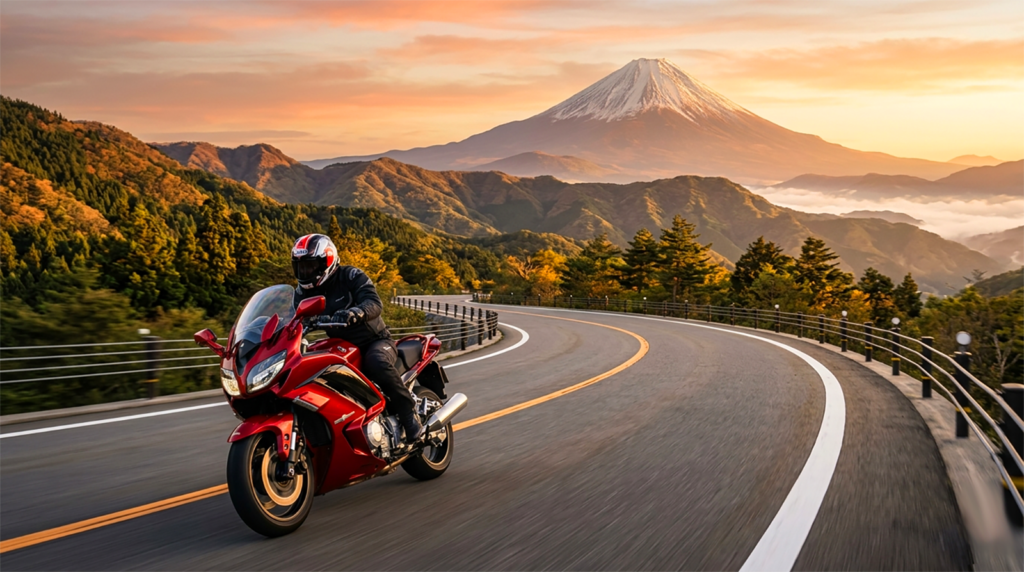
Global Climate Adaptability
Japanese motorcycles perform in:
- Hot climates (Thailand)
- Cold regions (Europe)
- Urban traffic
- Mountain roads
Designed for Daily Use
These bikes are not made for perfect conditions.
They are built for:
👉 Real life.
Unique Japanese Riding Culture
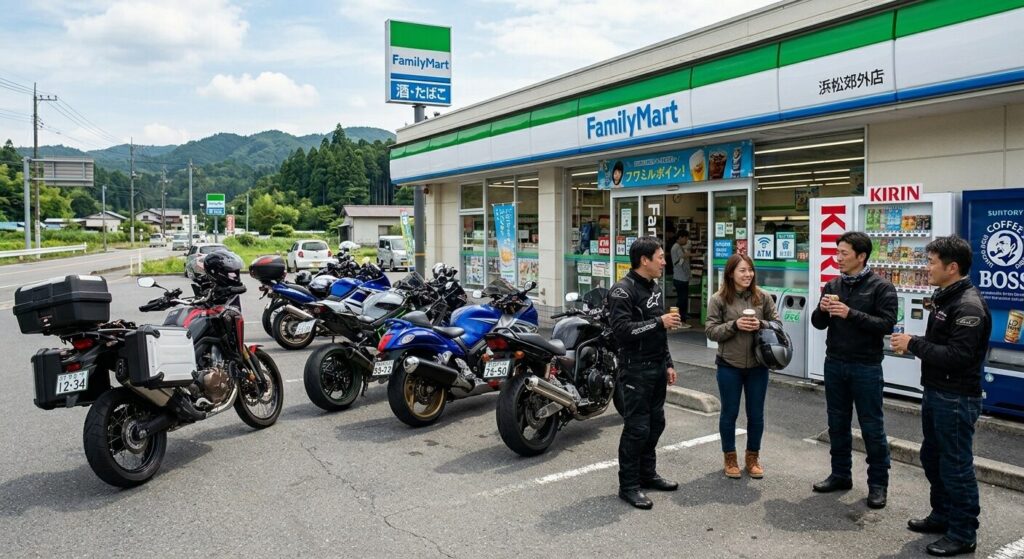
Japan offers a unique riding experience you won’t find elsewhere:
- Convenience stores (open 24/7) for rest stops
- Clean public toilets almost everywhere
- Vending machines even in remote areas
- Well-organized roadside stations (Michi-no-Eki)
👉 These small details make long-distance touring easy and stress-free.
The Ecosystem Behind Japanese Motorcycles
Japan didn’t just build motorcycles.
It built an entire ecosystem.
- NGK (spark plugs)
- Nissin (brakes)
- Showa (suspension)
👉 This network creates unmatched quality.
Beginner-Friendly but Expert-Approved
Easy Control & Stability
Japanese bikes are:
- Lightweight
- Easy to handle
- Forgiving
Perfect for beginners.
Global Support Network
Wherever you go:
- Dealerships
- Parts
- Mechanics
👉 You’re never alone.
Is It Easy for Foreign Riders to Ride in Japan?
Many riders worry about riding in a different country. But Japan is one of the easiest places in the world for international riders.
- Road signs are clear and often include English
- Traffic rules are strictly followed
- Road conditions are excellent
- Rental services support foreign licenses
If you prepare properly, riding in Japan is safe, smooth, and incredibly enjoyable.
👉 Ultimate Guide to Motorcycle Touring in Japan
Real Popular Models Worldwide
- Honda Super Cub → ultimate reliability
- Yamaha MT-07 → fun + balance
- Kawasaki Ninja 400 → beginner sport bike
- Suzuki V-Strom 650 → long touring
👉 These are real-world machines, not niche products.
Real Experience
The first time I rode a Japanese motorcycle in Shizuoka, something felt different.
Not faster.
Not louder.
Just… smoother.
Through the curves of Izu Skyline, the bike responded exactly how I expected.
No fear.
No hesitation.
That’s when I understood:
👉 Reliability is not a spec. It’s a feeling.
Why Japan Is the Best Place to Experience These Bikes
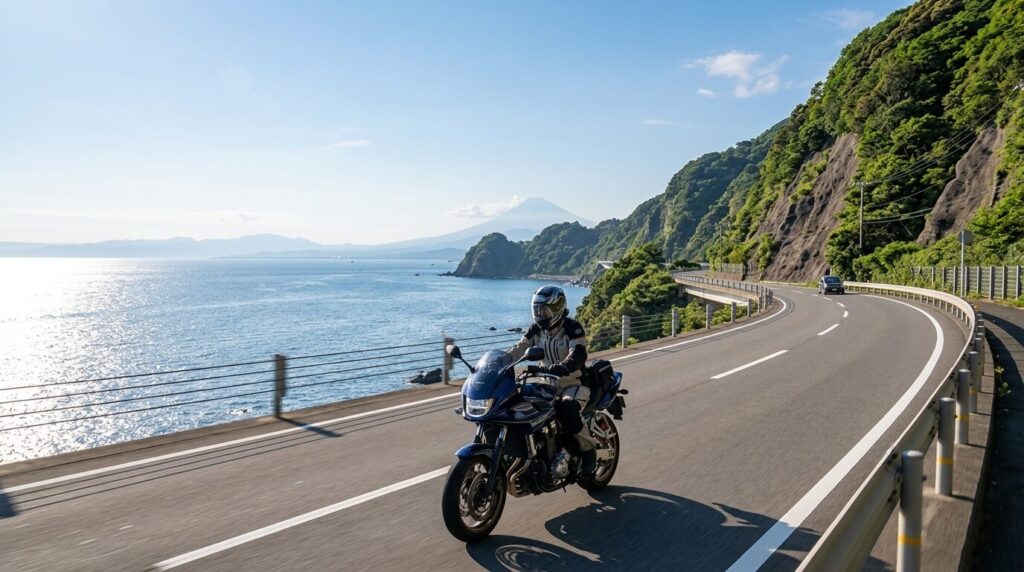
Shizuoka & Hamamatsu: The Motorcycle Heartland
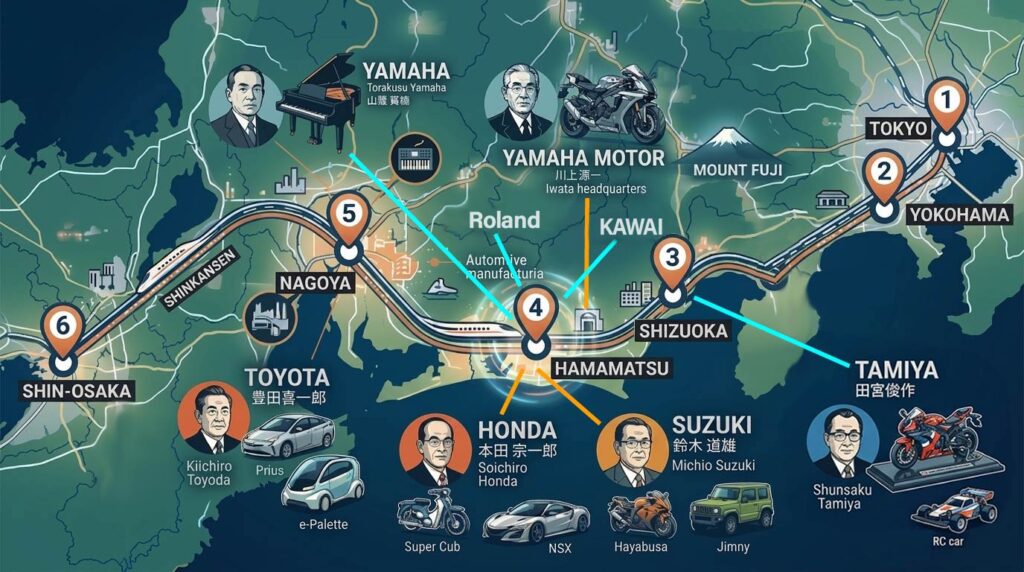
If you want the true experience, go to Shizuoka.
👉 Home of Honda, Yamaha, Suzuki
Especially Hamamatsu.
This is where motorcycle culture lives.
Roads That Match the Machines
Experience what it actually feels like to ride in Japan:
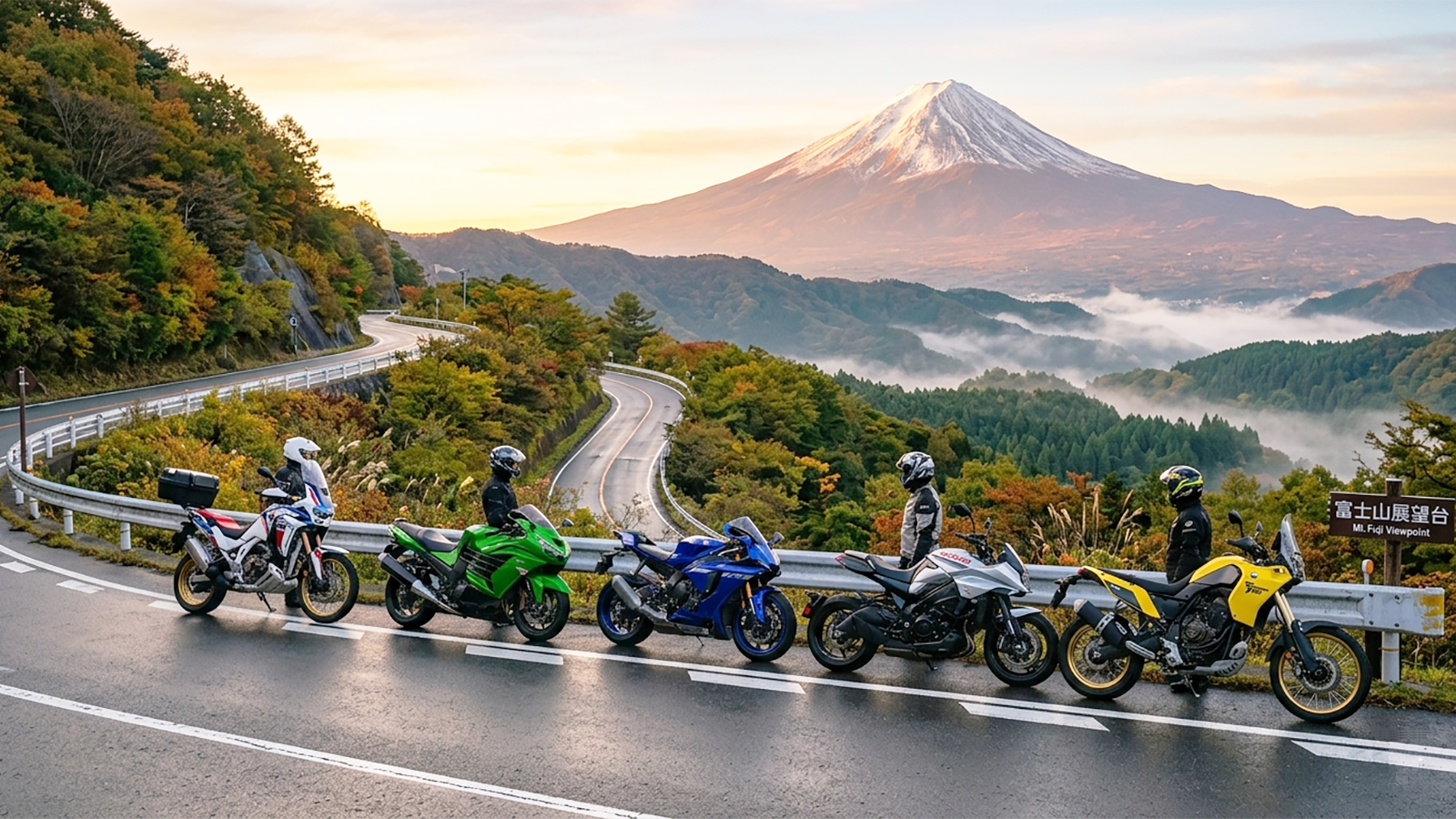
- Izu Skyline
- Hakone Turnpike
- Coastal Hamamatsu roads
Smooth roads.
Disciplined traffic.
👉 This is where Japanese bikes feel “complete.”
What Your Riding Experience Will Feel Like in Japan
Imagine this:
- Riding through the curves of Izu Skyline with perfect road conditions
- Stopping at a local convenience store for coffee and rest
- Meeting respectful riders who share your passion
- Watching the ocean while cruising near Hamamatsu
This is not a special event.
👉 This is everyday riding in Japan.
Start Your Motorcycle Journey in Japan
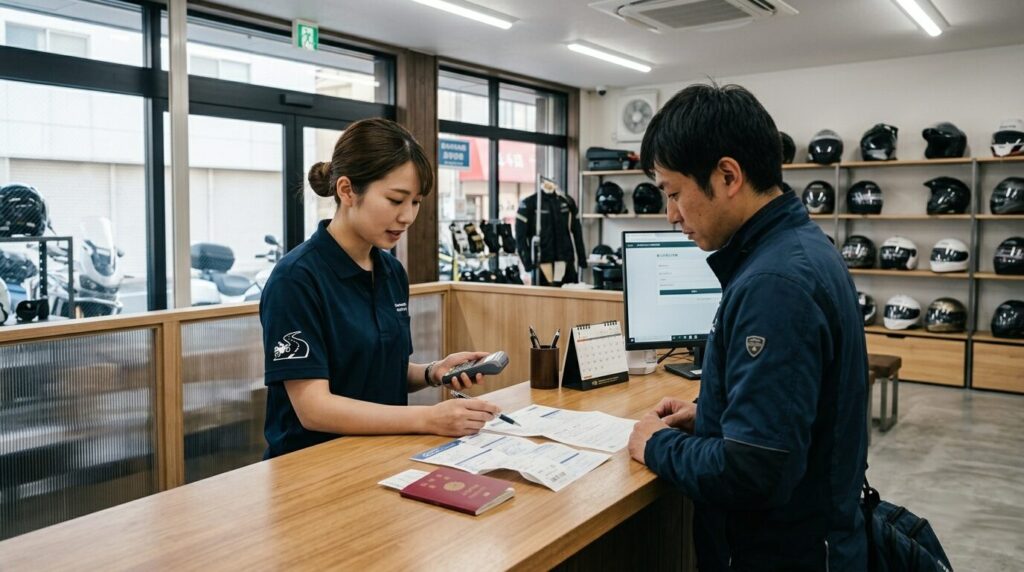
You don’t need to bring your own bike.
Japan offers high-quality rental motorcycles and gear.
👉 If you don’t want to carry gear, you can easily rent premium equipment in Japan.
👉 Find rental options here: How to Rent a Motorcycle in Japan
🔥 From Understanding to Experience
Reading about Japanese motorcycles is just the beginning.
The real experience starts when you ride.
If you want the perfect riding experience, Hamamatsu is one of the best places in Japan.
Plan your ride now: Best Motorcycle Roads in Shizuoka
👉 Plan your ride here:
Complete Motorcycle Touring Guide to Shizuoka
👉 Need a bike?
How to Rent a Motorcycle in Japan
🎧 Drive into the golden era
👇 Feel the golden era again
AC/DC – Highway to Hell
A legendary road anthem built for long highways and open skies. Raw guitar power, steady rhythm, and pure 80s energy — perfect for motorcycle touring or driving through Japan’s scenic roads.
AC/DC – Thunderstruck
Electrifying from the first note. The iconic guitar intro feels like ignition — powerful, fast, and unstoppable. A perfect soundtrack for riders and drivers chasing the thrill of the road.
🎧Every article features a curated 80s hit or Japanese City Pop track.
Press play and experience how Japan, synth culture, and 80s music shaped global sound.
👉 How Japan Shaped Modern Music: The 1980s Synth Revolution, Sony Walkman, and the Rise of Global Sound Culture
👉 80s Music Culture
👉 80s Hobby Culture
Conclusion
Japanese motorcycles are not just popular.
They are trusted.
Because they deliver something deeper:
👉 Peace of mind
And that changes how you ride.
If you want to understand them fully, don’t just read.
👉 Come to Japan. Ride them.
FAQ
Q1: Are Japanese motorcycles really more reliable?
Yes. They are designed for long-term use and tested in real-world conditions.
Q2: Why are they cheaper than competitors?
Efficient manufacturing and strong supply chains reduce costs.
Q3: Are they good for beginners?
Yes. They are easy to control and forgiving.
Q4: Where is the best place to ride in Japan?
Shizuoka, especially Hamamatsu and Izu.
Related Articles
- 15 Best Motorcycle Routes in Japan: Ultimate Scenic Roads & Hidden Gems
- Japanese Motorcycle Culture Explained: Touring Lifestyle & Traditions
- Complete Motorcycle Touring Guide to Shizuoka: Mt. Fuji, Izu & Hamamatsu Routes
- Hamamatsu Motorcycle Touring Guide: Best Routes, Rider Cafes & Hidden Local Spots
- Lake Hamana Motorcycle Touring Guide: Best Scenic Routes, Loop Ride
- Complete Guide to Renting Motorcycles in Japan (coming soon)