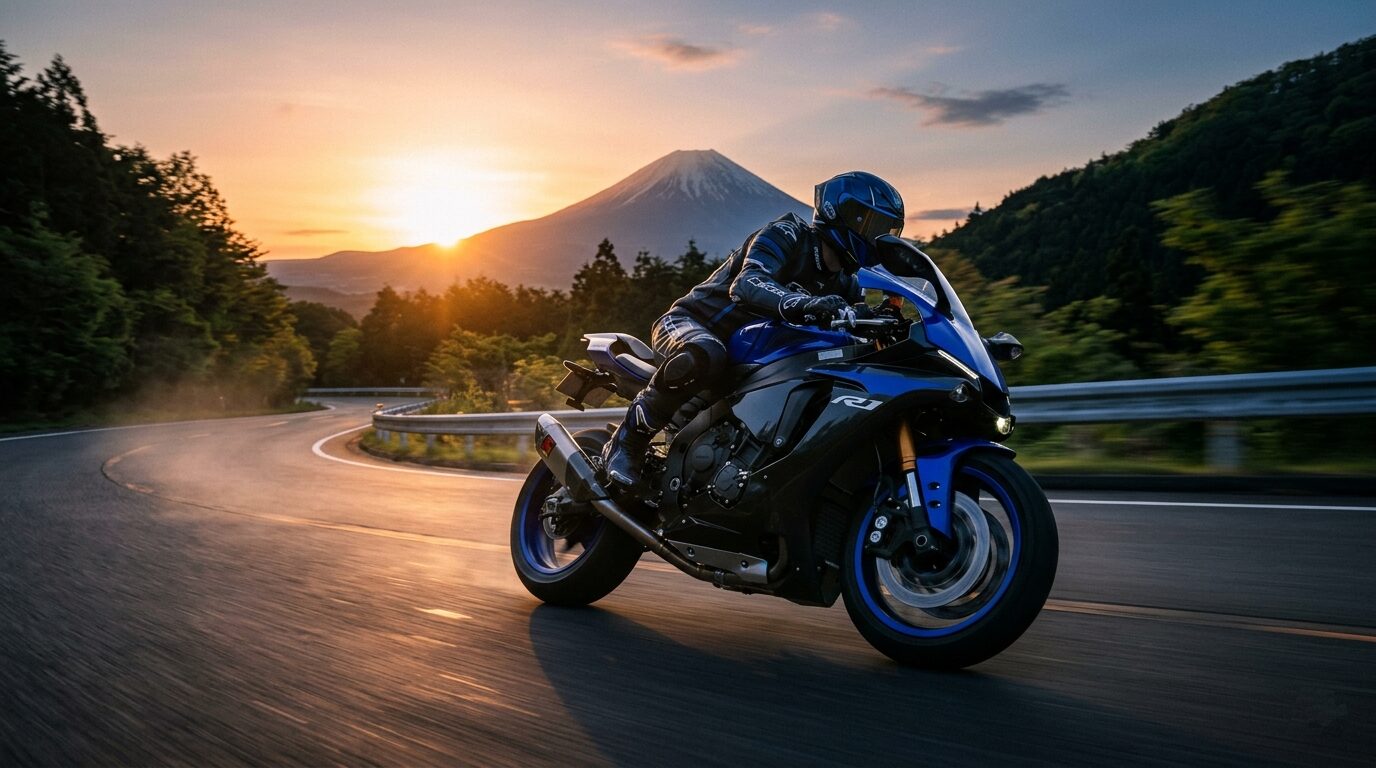
- Introduction
- Who This Article Is For
- 🎧 Song of the Day
- Why Japanese Exhausts Feel Different (Not Just Sound)
- Cheap Exhaust vs Japanese Exhaust (Real Difference)
- Are Japanese Motorcycle Exhausts Legal? (Important for Riders)
- Best Japanese Motorcycle Exhaust Brands (2026)
- Sound & Performance Comparison
- Quick Comparison – Which Japanese Exhaust Should You Choose?
- How to Choose the Right Exhaust (Step-by-Step)
- Common Mistakes Riders Make (Avoid This)
- Real Experience in Japan (Hakone Story)
- Where to Buy Japanese Exhausts (Trusted Sources)
- Experience Before You Buy – Ride in Japan
- Ride Japan – The Ultimate Exhaust Experience (Shizuoka Focus)
- Not Sure Where to Start?
- 🎧 Drive into the golden era
- Conclusion: This Is Not a Part. It’s a Transformation.
- Your Next Step
- FAQ
- Related Articles
Introduction
You twist the throttle.
This time… the bike answers perfectly.
A deep, controlled sound.
Instant response.
Every corner feels connected to your body.
This is what a real Japanese exhaust does.
Not just louder.
Not just faster.
It changes how you experience riding.
Most riders make the same mistake:
They buy based on sound alone.
And end up with:
- Harsh noise
- Poor throttle response
- A bike that feels “off”
This guide fixes that.
👉 After reading, you will:
- Know exactly which Japanese exhaust fits your riding style
- Understand real performance differences (not marketing hype)
- Be able to choose confidently before spending money
- Discover how to experience this in Japan (Shizuoka / Hamamatsu)
This is not a parts list.
This is your upgrade roadmap.
Who This Article Is For
This guide is perfect for:
- Riders who want real performance, not just loud noise
- People planning a motorcycle trip in Japan
- Riders upgrading from cheap exhaust systems
- Enthusiasts who value precision engineering
- Anyone curious about Japanese motorcycle culture
🎧 Song of the Day
Hand-picked 80s songs for touring, driving, and exploring Japan’s golden era.
The 1980s marked Japan’s golden age — when Japanese motorcycles, synthesizers, black audio electronics, car audio systems, karaoke machines, City Pop, and model kits helped shape modern global culture.
👇 Press play before reading
Bon Jovi – “Livin’ On A Prayer”
Before you even read about torque curves and exhaust notes, hit play. This isn’t just a song—it’s a throttle twist for the soul.
“Livin’ On A Prayer” by Bon Jovi captures the raw, working-class energy of 80s music—hope under pressure, grit under noise. That iconic talk box guitar? It bends sound the same way a finely tuned exhaust bends air—controlled chaos, engineered emotion. It’s not far off from the spirit behind Japanese motorcycle exhaust brands: precision built to make you feel something every time you open the throttle.
Back in the 80s, this kind of sound lived through analog gear, early synth textures, and evolving audio tech. While Bon Jovi roared in the West, Japan was quietly shaping the future—Yamaha refining instruments, Roland pushing electronic sound, Sony redefining how we carry music with the Walkman. That same obsession with detail flows into everything—motorcycles, model kits, even the way an engine note is “tuned.”
There’s a shared DNA here: craftsmanship, emotion, and performance. Whether it’s a perfectly molded Tamiya part or a titanium exhaust screaming down a coastal road in Shizuoka, it all comes from the same place.
Picture this track playing in your helmet as you ride through Hamamatsu—wind, sound, and memory blending into one.
Go on, press play.
Why Japanese Exhausts Feel Different (Not Just Sound)
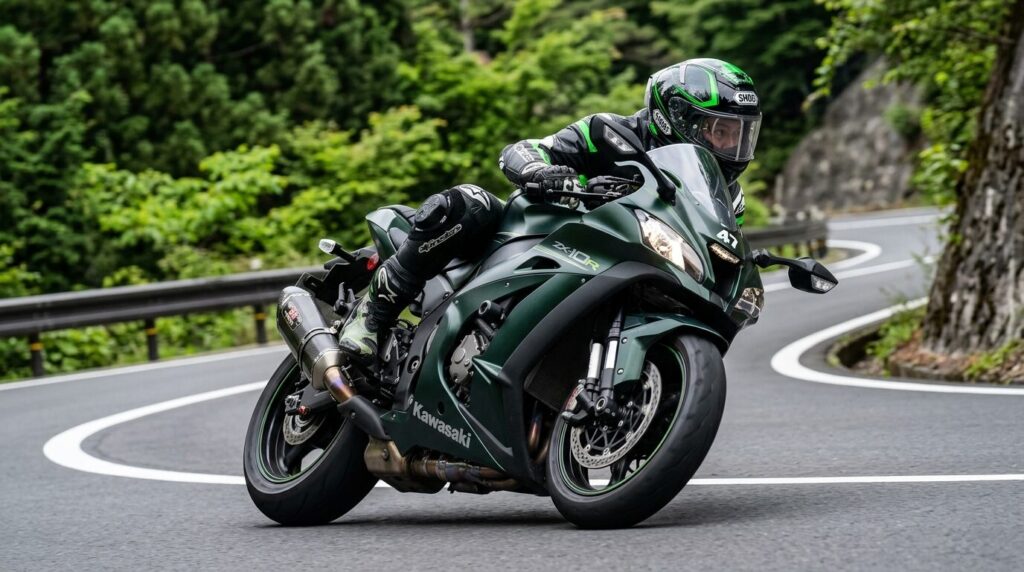
Built for Real Roads in Japan
Japan is not built for straight-line racing.
It’s:
- Tight mountain roads (Hakone, Izu Skyline)
- Constant braking and acceleration
- Technical cornering
Japanese exhausts are designed for this.
👉 That means:
- Smooth throttle response
- Usable torque
- Stability in corners
Not just peak horsepower. Real control.
Engineering Philosophy = Balance Over Noise
Many cheap exhausts chase one thing:
👉 Volume.
Japanese brands chase balance:
- Sound
- Power delivery
- Rider feedback
- Control
Because riding is not about numbers.
It’s about feeling.
What “Value” Really Means in Riding
You’re not buying metal.
You’re buying:
- Confidence in corners
- Smooth acceleration
- Emotional connection to your machine
👉 Value = the change in your riding experience
Cheap Exhaust vs Japanese Exhaust (Real Difference)
Performance Comparison
| Feature | Cheap Exhaust | Japanese Exhaust |
|---|---|---|
| Sound | Loud only | Tuned & controlled |
| Power | Inconsistent | Smooth & predictable |
| Torque | Weak mid-range | Strong usable torque |
| Ride feel | Disconnected | Responsive |
Fitment & Reliability
Cheap:
- Poor alignment
- Vibration issues
- Short lifespan
Japanese:
- Model-specific design
- Perfect fit
- Long-term durability
Long-Term Cost
Cheap looks cheaper.
But:
- Replacement costs
- Performance loss
- Safety risks
👉 End up more expensive.
Are Japanese Motorcycle Exhausts Legal? (Important for Riders)
One of the biggest concerns riders have is:
👉 “Will this exhaust be legal?”
Understanding Japanese Regulations
In Japan, motorcycle exhausts must meet:
- Noise limits (measured in dB)
- Emission standards
- Certification requirements
Many top brands like Yoshimura and Moriwaki produce:
👉 JMCA-certified exhausts
This means:
- Road legal in Japan
- Tested for safety and noise compliance
What About Outside Japan?
If you’re buying internationally:
- Laws vary by country
- Some exhausts are “for racing use only”
👉 Always check:
- Local noise laws
- Emission requirements
Safe Buying Rule (Simple)
If you want peace of mind:
👉 Choose JMCA-certified exhausts
Because:
- Legal risk is minimized
- Sound is controlled
- Performance is balanced
Best Japanese Motorcycle Exhaust Brands (2026)
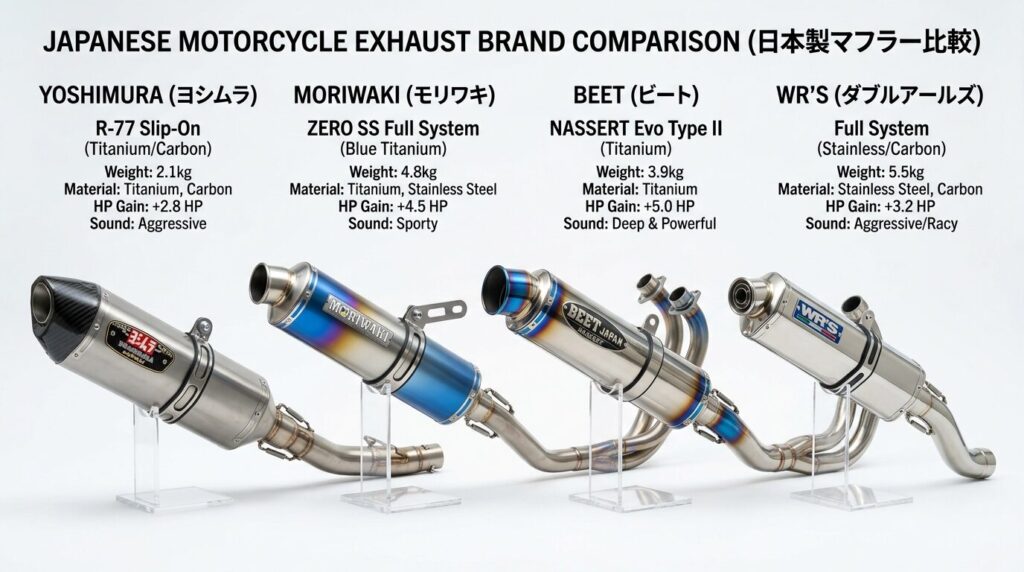
Yoshimura
Race-proven performance.
Best for:
- Sport riders
- Aggressive throttle control
👉 Buy Yoshimura here
Yoshimura | Yoshimura Japan
Moriwaki
Smooth, refined torque.
Best for:
- Street riders
- Beginners upgrading
👉 Explore Moriwaki options
モリワキエンジニアリング – MORIWAKI ENGINEERING
BEET
Strong mid-range punch.
Best for:
- Riders who want character
👉 Check BEET exhausts
BEET JAPAN INDUSTRAY CO.,LTD.
SP Tadao
Torque-focused tuning.
Best for:
- Touring
- Daily riding
👉 Find SP Tadao systems
SP忠男|オートバイ オリジナルマフラー公式サイト バイクタイヤ取付・交換
Over Racing
Lightweight craftsmanship.
Best for:
- Precision-focused riders
👉 Shop Over Racing
OVER Racing: ONLINE SHOP
Sound & Performance Comparison

Loud vs Functional Sound
Cheap = attention
Japanese = communication
👉 The bike “talks” to you.
Touring vs Sport Riding
- Touring → SP Tadao / Moriwaki
- Sport → Yoshimura / Over Racing
Real-World Use
Most riding is:
- Traffic
- Corners
- Long-distance
👉 Japanese exhausts are built for reality.
Hear the real difference in sound and performance below.
Quick Comparison – Which Japanese Exhaust Should You Choose?
If you’re unsure, use this simple guide:
Best for Beginners
→ Moriwaki / SP Tadao
✔ Smooth power
✔ Easy control
✔ Forgiving ride feel
Best for Sport Riding
→ Yoshimura / Over Racing
✔ Sharp throttle response
✔ High-performance focus
Best for Touring
→ SP Tadao
✔ Strong low-end torque
✔ Comfortable long rides
Best for Unique Character
→ BEET
✔ Strong mid-range punch
✔ Distinct style
👉 Still unsure?
Think about how you want your bike to feel—not just sound.
How to Choose the Right Exhaust (Step-by-Step)
Step 1: Define Riding Style
Ask:
- Do you ride mountains?
- Long distance?
- Aggressive or smooth?
Step 2: Check Compatibility
Always confirm:
- Bike model
- Fitment
- ECU requirements
Step 3: Consider Total Experience
Don’t choose by sound alone.
👉 Choose how you want to feel when riding.
Common Mistakes Riders Make (Avoid This)
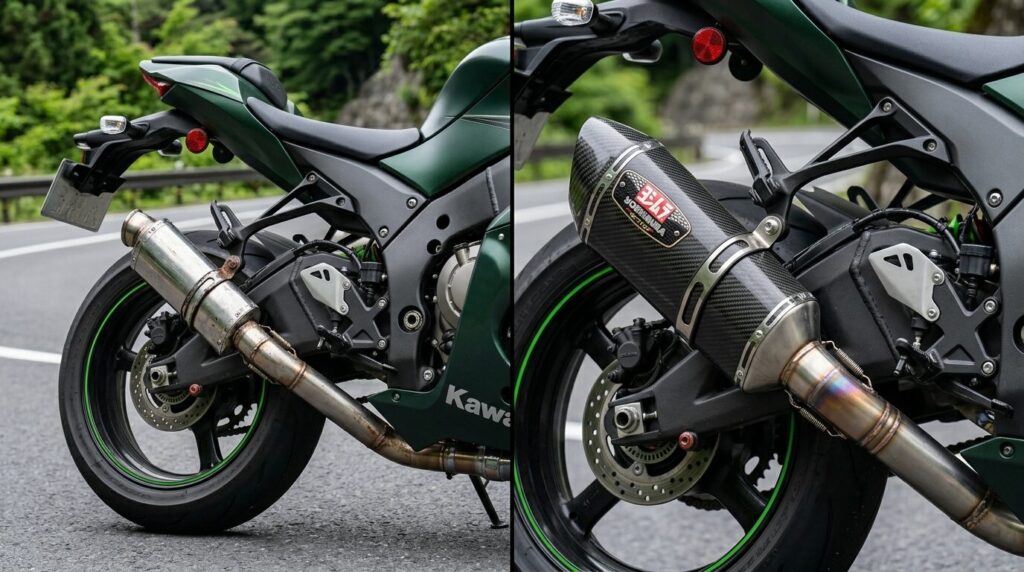
Choosing Based Only on Sound
Loud doesn’t mean better.
👉 Many riders regret this.
Because:
- Fatigue increases
- Performance suffers
Buying Cheap Copies
They look similar.
They ride completely different.
👉 Result:
- Poor fitment
- Power loss
- Short lifespan
Ignoring Installation
Bad installation = bad performance
👉 Always:
- Use proper tools
- Or go to a professional shop
Real Experience in Japan (Hakone Story)
I remember riding through Hakone.
Before upgrading, my bike felt disconnected.
Throttle → delay
Sound → empty
Corners → unstable
After installing a Japanese exhaust:
Everything changed.
The throttle became precise.
The engine felt alive.
Corners became smooth and natural.
For the first time…
I trusted the bike completely.
That’s when I understood:
👉 This isn’t a part. It’s control.
Where to Buy Japanese Exhausts (Trusted Sources)
👉 Buy from:
- Webike (Japan-based, reliable)
- Amazon Japan
- eBay (careful with authenticity)
👉 Serious about upgrading?
Start here before stock disappears.
Experience Before You Buy – Ride in Japan
Reading is one thing.
Experiencing is different.
Try Before You Invest
In Japan, you can:
- Rent motorcycles
- Test different setups
- Ride legendary roads
👉 If you want the real answer:
Ride it yourself.
Why Riders Choose Shizuoka (Hidden Advantage)
This is what riding in Japan actually feels like.
Shizuoka offers:
- Access to Hakone & Mt. Fuji
- Smooth, clean roads
- Deep motorcycle culture
👉 Especially Hamamatsu:
- Birthplace of Yamaha & Suzuki
- Strong tuning culture
- Authentic riding experience
👉 Plan your ride here:
10 Best Scenic Motorcycle Roads in Japan for Views
👉 Need a bike?
You can easily rent high-quality motorcycles and gear in Japan.
Ride Japan – The Ultimate Exhaust Experience (Shizuoka Focus)
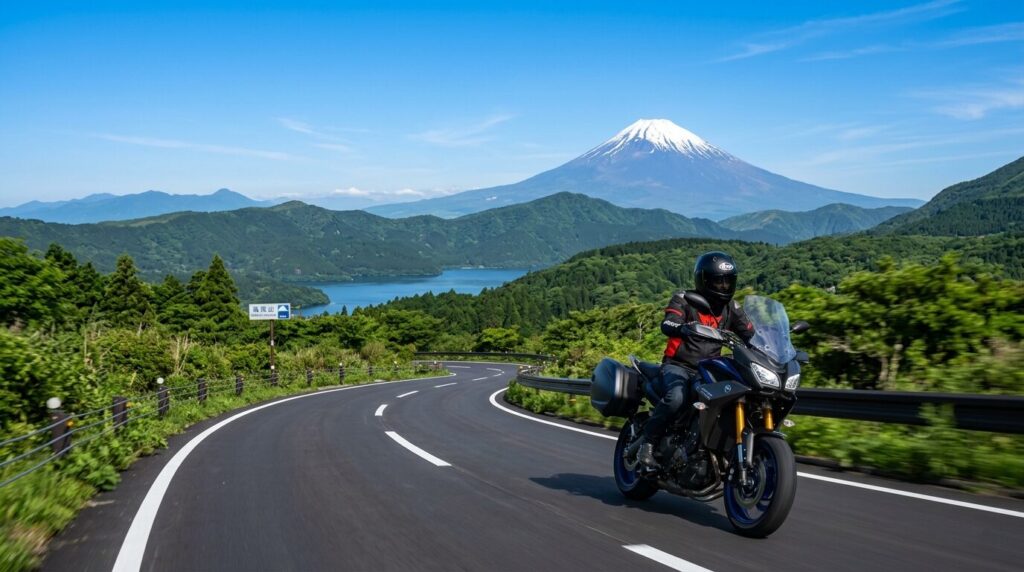
If you really want to understand Japanese exhausts…
You need to ride in Japan.
Why Shizuoka / Hamamatsu?
- Birthplace of Yamaha & Suzuki
- Perfect roads (clean, smooth asphalt)
- Access to Hakone & Mt. Fuji
👉 If you want the perfect riding experience, Hamamatsu is one of the best areas in Japan
💡 Extra:
- Convenience stores every few km (food & rest)
- Clean gas stations
- Safe roads
👉 Plan your ride here:
15 Best Motorcycle Routes in Japan
👉 Don’t have gear?
You can easily rent high-quality equipment in Japan.
Not Sure Where to Start?
Use this site to explore:
- Best motorcycle roads
- Japanese bike culture
- Gear & equipment
- Hidden local spots
👉 Search here and plan your ride step by step.
🎧 Drive into the golden era
👇 Feel the golden era again: Bon Jovi – Runaway
Neon lights flicker as “Runaway” by Bon Jovi kicks in, carrying the restless pulse of early 80s music.
Driven by sharp synth lines and raw guitar, the song captures a sense of escape and youthful rebellion.
It’s the kind of sound that feels like a midnight ride with no destination.
That blend of analog grit and electronic sound echoes the rise of global audio culture.
Press play—and let the story run free.
🎧Every article features a curated 80s hit or Japanese City Pop track.
Press play and experience how Japan, synth culture, and 80s music shaped global sound.
👉 How Japan Shaped Modern Music: The 1980s Synth Revolution, Sony Walkman, and the Rise of Global Sound Culture
👉 80s Music Culture
👉 80s Hobby Culture
Conclusion: This Is Not a Part. It’s a Transformation.
You have two choices:
Ride with average parts.
Or…
Ride with intention.
👉 Upgrade your bike
👉 Ride in Japan
👉 Experience the difference
Because once you feel it—
You won’t go back.
Your Next Step
You have two paths:
Stay with average parts.
Or…
Upgrade your machine—and your entire riding experience.
👉 Buy authentic Japanese exhausts
👉 Ride in Japan
👉 Feel the difference yourself
✔ Need help sourcing rare parts?
✔ Planning a Japan trip?
👉 Contact here: https://x.com/goldengarage_jp
FAQ
Are Japanese exhausts worth it?
Yes. They improve real riding performance, not just sound.
Which brand is best for beginners?
Moriwaki or SP Tadao.
Do I need ECU tuning?
Depends on the system. High-performance models often benefit.
Can I install it myself?
Possible, but professional installation is recommended.
Where can I find rare parts?
👉 Contact via X: https://x.com/goldengarage_jp
Related Articles
- Why Smart Riders Skip Tokyo — And Discover Japan’s Hidden Motorcycle & 80s Hobby Culture Paradise Instead
- 15 Best Motorcycle Routes in Japan
- Ultimate Guide to Japanese Motorcycle Culture
- How to Rent a Motorcycle in Japan
- Complete Motorcycle Touring Guide to Shizuoka
- Hidden Motorcycle Roads in Shizuoka