- Introduction
- Who This Article Is For
- 🎧 Song of the Day
- Why Most Travelers Fail to Enjoy Unagi in Japan
- Why Hamamatsu Is the Best Place to Eat Unagi in Japan
- Why Unagi Is Expensive (And Why It’s Worth It)
- Best Unagi Restaurants in Hamamatsu
- How to Choose the Right Unagi Restaurant
- Best Time to Eat Unagi (Avoid Crowds & Maximize Experience)
- Common Mistakes to Avoid
- How to Order Unagi in Japan (Step-by-Step)
- How Much Unagi Should You Order? (Portion Guide)
- Unagi Eating Guide (Styles, Tips & Culture)
- A Common Mistake Tourists Make When Eating Rice Bowls in Japan
- What to Do If the Restaurant Is Full
- Travel Tips: Lines, Timing & Reservations
- Combine Unagi with a Motorcycle Ride (Best Experience)
- Plan Your Perfect Unagi + Riding Experience
- Why Hamamatsu Is Perfect for Riders (Free Parking & Easy Access)
- How to Discover More Local Food & Hidden Spots
- Start Your Journey: Ultimate Hamamatsu Travel Guide for Riders
- 🎧 Drive into the golden era
- Conclusion
- FAQ
- Related Articles
Introduction
Hamamatsu is one of the best places in Japan to experience unagi (grilled eel).
But here’s the truth — this is not just about food.
Eating unagi in Hamamatsu is a complete cultural experience, shaped by nature, history, and craftsmanship.
From the waters of Lake Hamana to the precise grilling techniques perfected over generations, every bite tells a story.
This guide will not only show you the best unagi restaurants, but also help you order confidently, avoid common mistakes, and fully enjoy the experience.
👉 Want to build your perfect Japan motorcycle trip?
Start here:
Ultimate Hamamatsu Travel Guide for Riders: Best Routes, Rider Cafes & Hidden Local Spots in Japan
Who This Article Is For
This guide is for:
- First-time visitors to Japan who want to try real unagi
- Motorcycle travelers exploring Hamamatsu & Lake Hamana
- Food lovers looking for authentic local experiences
- Travelers who want to avoid tourist traps
- Riders planning a scenic + food-based route
🎧 Song of the Day
Hand-picked 80s songs for touring, driving, and exploring Japan’s golden era.
The 1980s marked Japan’s golden age — when Japanese motorcycles, synthesizers, black audio electronics, car audio systems, karaoke machines, City Pop, and model kits helped shape modern global culture.
👇 Press play before reading
Before you dive into Hamamatsu’s rich unagi culture, press play—because this track adds flavor to the experience, like the perfect glaze on grilled eel.
“Let’s Hear It for the Boy” by Deniece Williams is pure 80s music joy—light, rhythmic, and irresistibly catchy. Beneath its cheerful surface lies a polished blend of pop and subtle synth textures, capturing the warmth and optimism of the era. It’s the kind of song that feels like sunshine—simple, uplifting, and crafted to make everyday moments feel special.
That feeling connects deeply with Japanese music culture and its approach to audio. In the 1980s, artists around the world were supported by technology coming out of Japan—synth innovations from Yamaha, Roland, and Korg helped define this clean, vibrant electronic sound. At the same time, Sony’s Walkman transformed how people experienced music, turning songs like this into personal companions—something you could enjoy while walking through a city, or even heading to your favorite local restaurant.
And here’s where it all ties together: that same attention to detail exists in Hamamatsu’s food culture. Just like crafting the perfect electronic sound, preparing unagi is about precision—timing, heat, texture. It’s a craft, not just cooking. The same DNA runs through model kits, motorcycles, and instruments born in Shizuoka.
Picture it: a warm evening, the scent of grilled eel in the air, this song playing softly in your headphones. That’s not just a meal—that’s Japan as an experience.
Press play, and let the rhythm guide your journey through Hamamatsu.
Why Most Travelers Fail to Enjoy Unagi in Japan
Many travelers try unagi in Japan — but leave feeling disappointed.
Why?
Because they:
- Choose the wrong restaurant
- Don’t understand the menu
- Arrive too late and face long lines
- Expect fast service like regular restaurants
👉 The result?
They miss the real experience.
But here’s the difference:
If you understand how unagi culture works,
you can turn a simple meal into one of the most memorable moments of your trip.
This guide is designed to make sure that doesn’t happen to you.
Why Hamamatsu Is the Best Place to Eat Unagi in Japan
Hamamatsu is not just famous for unagi — it’s one of the best places in Japan to experience it at its source.
Lake Hamana, a rare brackish lake connected to the ocean, creates the perfect environment for eel farming.
Why this matters:
- Clean, nutrient-rich water improves taste
- Stable conditions allow consistent quality
- Local craftsmen have refined techniques over generations
👉 When you eat unagi here, you are experiencing both nature and tradition.
Why Unagi Is Expensive (And Why It’s Worth It)
Typical price:
- ¥2,500–¥4,000 per meal
This surprises many travelers.
But here’s why:
- Eels require careful farming
- Preparation takes time (20–40 minutes)
- Skilled grilling technique is essential
👉 This is not fast food — it’s a premium cultural experience.
Best Unagi Restaurants in Hamamatsu
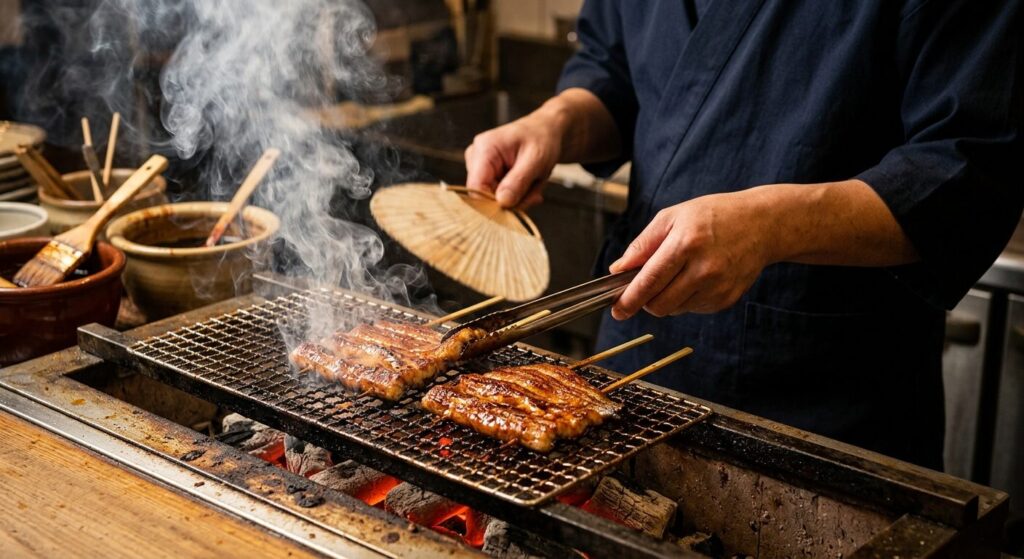
Easy Access & Tourist-Friendly Spots
note: If you’re worried about the language barrier, don’t be.👉 Simply copy and paste the URL into Google Translate:
https://translate.google.co.jp/?hl=ja&tab=TT&sl=en&tl=ja&op=websites
Yaotoku (Near Station)
👉 Official website: Unagi Yaotoku Main Restaurant | Hamamatsu Association for Promotion of Specialized Eel Restaurants
- Hitsumabushi style
- Easy ordering
- Great for beginners
Unagi Fujita
👉 Official website: https://unagifujita.jp/
- Calm atmosphere
- English menu available
- Ideal for relaxed dining
Shibuki (at Kanzanji area, Lake View)
👉 Official website: https://shibuki.jp/
- Scenic location
- Perfect for photos
Local Hidden Gems (Authentic Experience)
These places focus purely on quality.
Expect:
- Long wait times
- Minimal English support
- Incredible flavor
Atsumi – Deep flavor, very popular
👉 Official website: https://unagi-atsumi.com/tennai.html
Chigusa – Balanced and reliable
👉 Official website: https://unagi.chigusa-mikkabi.com/
Kamo – High-level craftsmanship
Saku-me – Quiet, hidden masterpiece
👉 These are not just restaurants — they are destinations.
Important: What to Expect at Local Unagi Restaurants
Many local unagi restaurants in rural areas are not designed for international tourists.
In most cases:
- English is not spoken
- Menus are only in Japanese
- Staff may not be used to foreign visitors
👉 If you are not comfortable adapting to the Japanese environment,
it may be better to choose more tourist-friendly restaurants.
However, if you are open to the experience — even with limited language —
these places offer something truly special.
Why?
Because:
- You will be surrounded by local customers
- The atmosphere is completely authentic
- The focus is entirely on quality and tradition
👉 This is where you experience the real Japan.
If you can adapt to local customs and communicate with simple tools like gestures or translation apps,
you will gain a deeper and more memorable experience.
How to Choose the Right Unagi Restaurant
Choose based on your goal:
- First time → Yaotoku
- Scenic → Shibuki
- Premium → Fujita
- Local experience → Atsumi
👉 Picking the right place changes your entire experience.
Best Time to Eat Unagi (Avoid Crowds & Maximize Experience)
Timing is everything when it comes to unagi in Hamamatsu.
Best Time of Day
- Lunch: 11:00–11:30 (before crowds)
- Late lunch: 13:30–14:00 (after peak)
Best Days
- Weekdays → less crowded
- Avoid weekends and holidays
Seasonal Tip
- Summer is peak season (very crowded)
- Spring & autumn offer the best balance
👉 Choosing the right timing can save you 30–60 minutes of waiting.
Common Mistakes to Avoid
- Arriving too late (sold out)
- Not checking schedule
- Underestimating wait time
- Overusing condiments
👉 Small mistakes can ruin the experience.
How to Order Unagi in Japan (Step-by-Step)
- Enter and wait to be seated
- Look at photos/menu
- Order simply
- Wait (important!)
- Enjoy
- Pay at register
Useful phrase:
“Osusume wa dore desu ka?”
(What do you recommend?)
How Much Unagi Should You Order? (Portion Guide)
One of the most common problems for visitors is choosing the right portion.
Portion Types
- Regular → standard size (good for most people)
- Double (ni-mai) → more eel (recommended for big eaters)
- Special → premium cut, higher quality
Simple Rule
👉 If it’s your first time:
Order a standard “Unaju”
This avoids:
- Overpaying
- Ordering too much
- Confusion
Unagi Eating Guide (Styles, Tips & Culture)
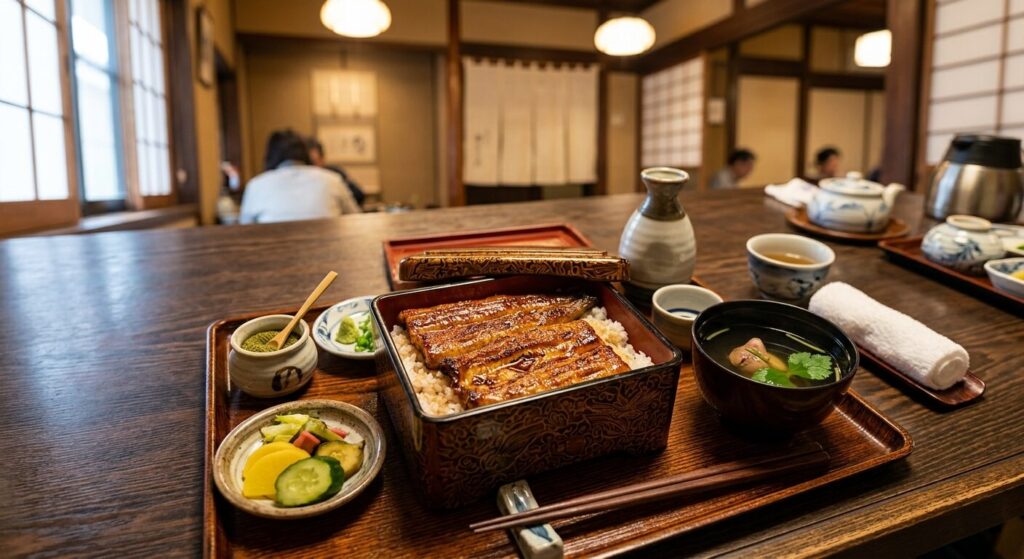
Kabayaki → sweet soy sauce
Shirayaki → salt only
Tips:
- Add sansho slowly
- Eat rice + eel together
- Don’t overuse sauce
👉 Japanese food is about balance.
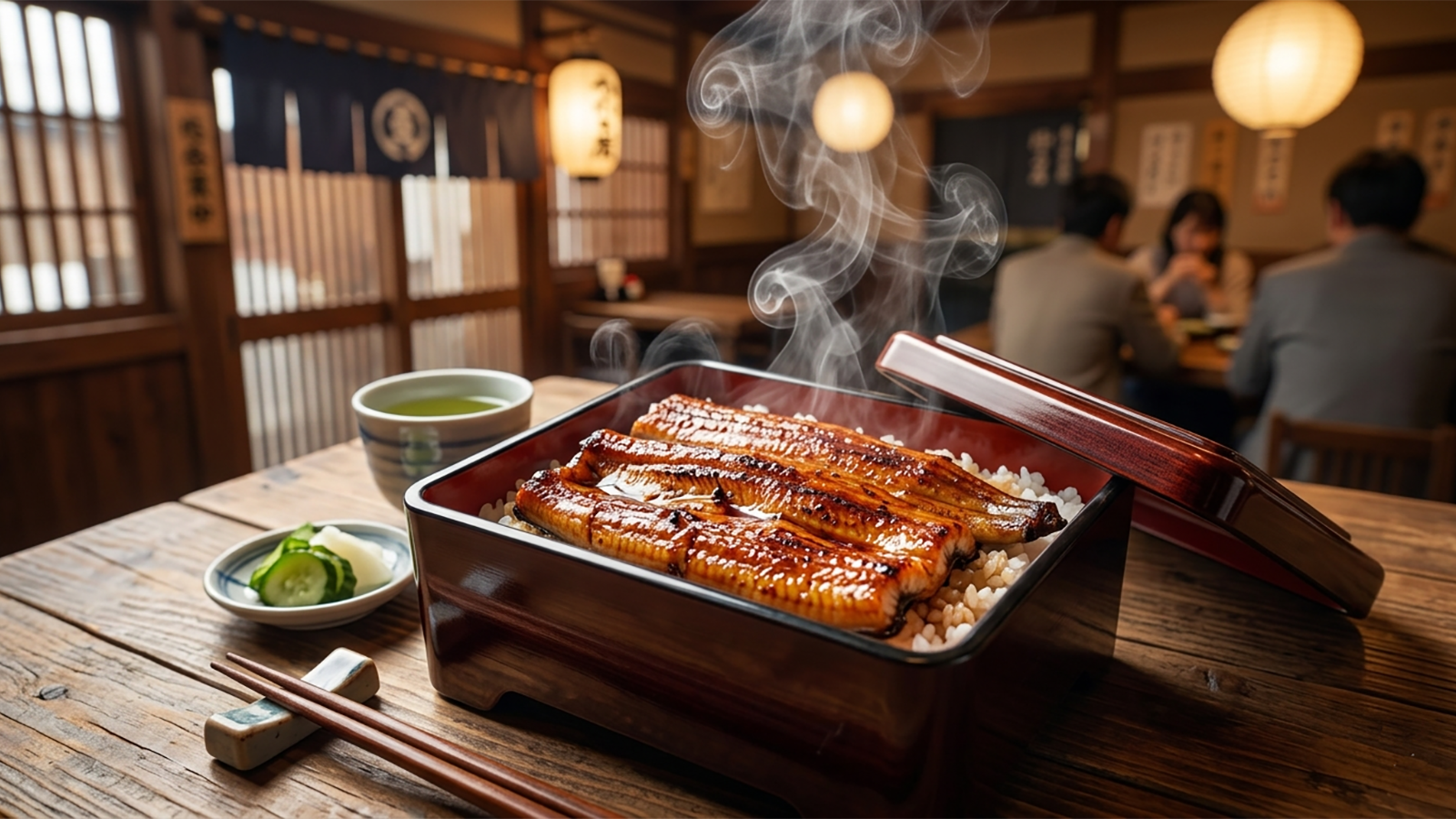
The Moment You Open the Unaju Box (Watch This First)
Before you take your first bite, there’s a moment you shouldn’t rush.
Opening the unaju box is part of the experience.
The aroma of freshly grilled eel rises with the steam — this is when anticipation turns into satisfaction.
Watch this moment carefully:
A Common Mistake Tourists Make When Eating Rice Bowls in Japan
Here’s something many travelers don’t realize.
When eating dishes like:
- Unadon (eel over rice)
- Unaju
- Gyudon (beef bowl)
- Katsudon
- Oyakodon
👉 Do not eat only the main topping first.
Why This Becomes a Problem
If you eat all the eel (or meat) first,
you’ll end up with a bowl of plain rice at the end.
And honestly…
👉 It becomes a boring and disappointing experience.
It’s like eating all the filling of a burger first,
and then being left with just the bread.
Why This Happens
This isn’t your fault.
It comes from cultural differences:
- Different serving styles
- Different food structure
- Lack of familiarity with Japanese eating habits
👉 Most visitors simply don’t know.
How to Eat It Properly (Simple Tip)
The key is balance.
Instead of eating one item at a time:
👉 Eat a little of everything, step by step.
For example:
- A bite of eel + rice
- A sip of soup
- A bite of pickles
- Repeat
👉 This keeps the flavor interesting until the last bite.
Why Japanese Meals Are Designed This Way
Japanese meals are carefully structured.
There is a concept called:
👉 “Balance in the mouth”
Each element has a role:
- Rice → neutral base
- Main dish → rich flavor
- Pickles → strong contrast
- Soup → reset the palate
Even the strong taste of pickles is intentional —
it helps make the rice more enjoyable.
👉 This is why everything is served together.
The Result
If you follow this method:
- Every bite stays delicious
- You never get bored
- You experience the meal as intended
👉 It turns a simple dish into a complete experience.
What to Do If the Restaurant Is Full
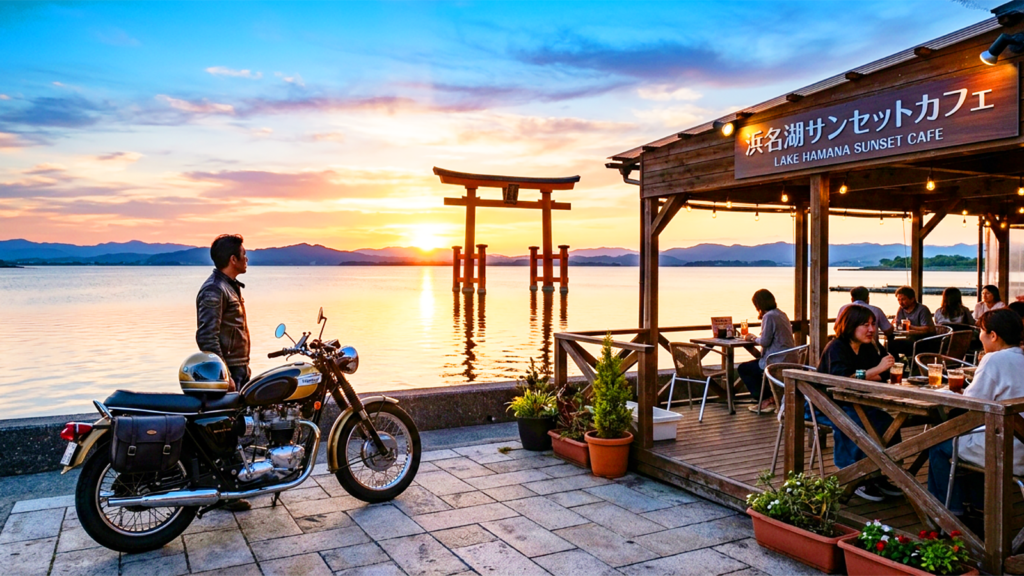
This happens often in Hamamatsu.
Here’s what you should do:
Option 1: Wait (Best Experience)
- Most authentic
- Worth it for famous places
Option 2: Try Nearby Alternatives
Hamamatsu has many high-quality unagi spots.
👉 Don’t panic — quality is consistently high.
Option 3: Change Time
- Come back later
- Or visit earlier next day
👉 Flexibility is the key to enjoying Japan.
Travel Tips: Lines, Timing & Reservations
Arrive early (30 min before opening)
Waiting time:
- 20–60 minutes
Use the time:
- Enjoy the atmosphere
- Talk with riders
- Relax
👉 Waiting is part of Japanese food culture.
Real Experience
I once waited nearly 40 minutes at a small local unagi restaurant near Lake Hamana.
At first, it felt long.
But then I noticed something — nobody was complaining.
People were relaxed, talking quietly, enjoying the moment.
When the unagi finally arrived, the aroma alone made the wait worth it.
That moment changed how I see food in Japan.
👉 It’s not about speed.
It’s about experience.
Combine Unagi with a Motorcycle Ride (Best Experience)
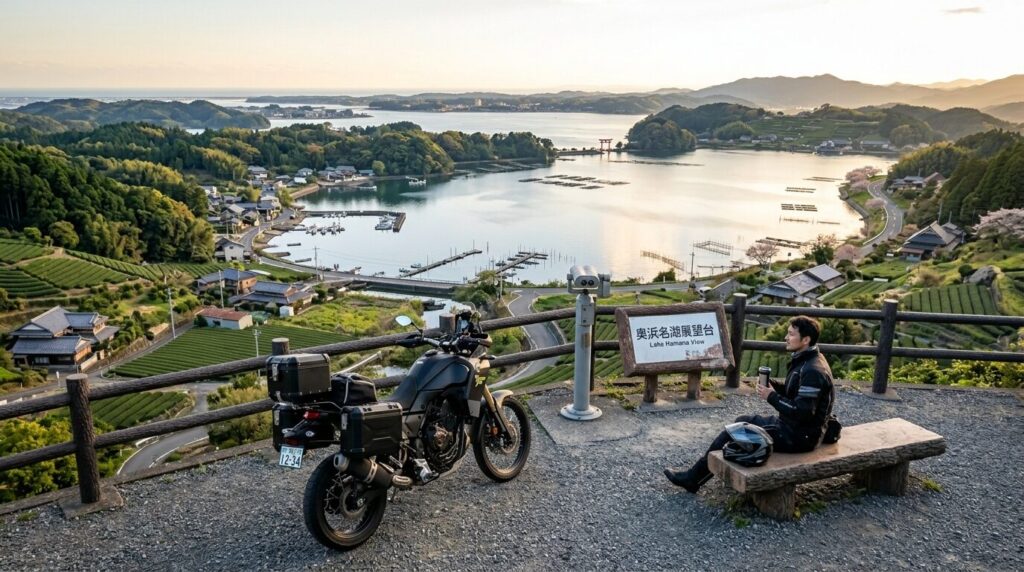
This is where Hamamatsu becomes truly unique.
You’re not just eating unagi.
You’re:
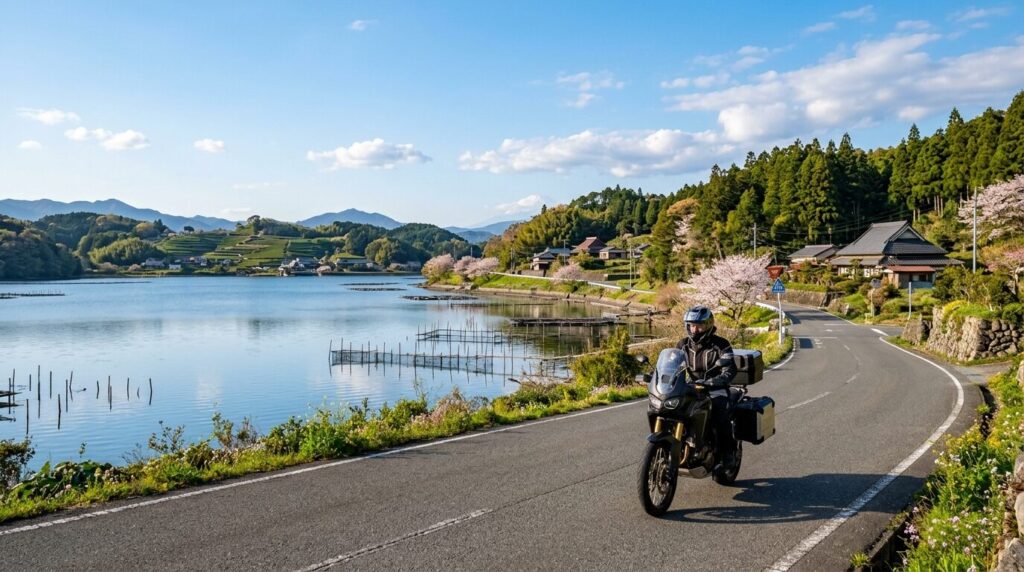
- Riding along Lake Hamana
- Stopping at scenic viewpoints
- Experiencing local culture
👉 This combination creates a complete travel experience
Suggested flow:
- Morning ride
- Early lunch (unagi)
- Scenic coastal ride
- Sunset stop
👉 Plan your route here:
Ultimate Hamamatsu Travel Guide for Riders
Plan Your Perfect Unagi + Riding Experience
Best flow:
- Start at Hamamatsu Station
- Lunch (unagi)
- Ride around Lake Hamana
- Sunset at Bentenjima
👉 Plan your scenic ride here:
Lake Hamana Motorcycle Loop Guide
Why Hamamatsu Is Perfect for Riders (Free Parking & Easy Access)
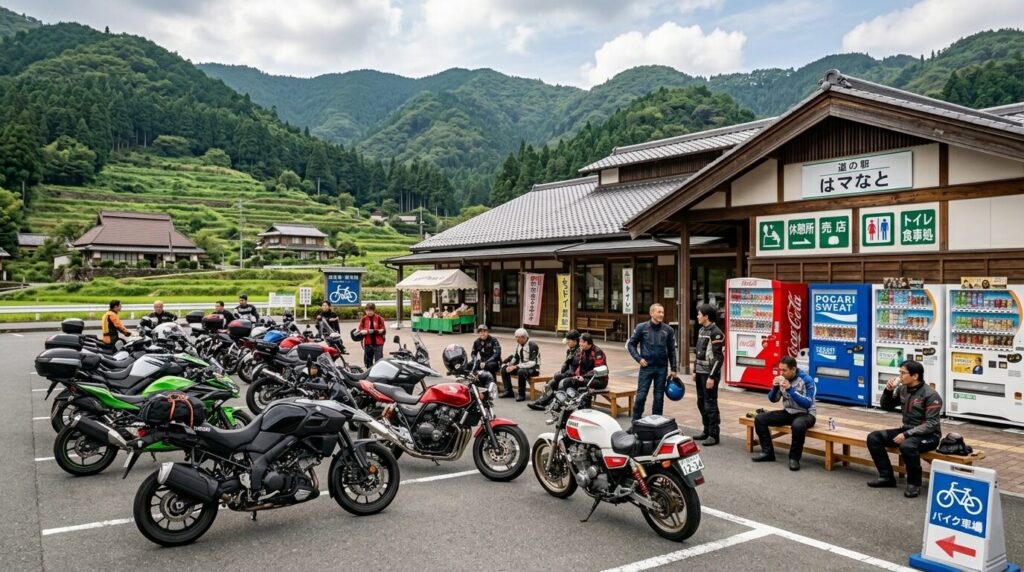
Hamamatsu is extremely motorcycle-friendly.
Incredibly, many locations offer free motorcycle parking, which is rare in Japan.
Examples:
- Around Hamamatsu Station
- Bentenjima Seaside Park
- Nagisaen Campground
- Araibenten Fishing Park
👉 This makes stopping easy and stress-free.
You can explore without worrying about parking — something many cities in Japan cannot offer.
👉rest stops: Best Rider-Friendly Spots in Hamamatsu
Why Free Motorcycle Parking Changes Your Experience
In many Japanese cities, parking is:
- Expensive
- Limited
- Complicated
But in Hamamatsu:
👉 It’s simple and often FREE.
This means:
- Less stress
- More flexibility
- More spontaneous stops
👉 That freedom is what makes Hamamatsu one of the best riding destinations in Japan.
How to Discover More Local Food & Hidden Spots
The best places in Hamamatsu are not always easy to find.
Many are:
- Not listed in English
- Not on major travel sites
- Known only by locals
👉 That’s where this blog helps you.
Use this site to plan your trip:
- Start your journey → Ultimate Hamamatsu Travel Guide for Riders
- Discover routes → Lake Hamana Motorcycle Loop Guide
- Explore hidden gems → Best Rider-Friendly Spots in Hamamatsu
👉 Don’t just follow maps.
Discover the real Hamamatsu.
Start Your Journey: Ultimate Hamamatsu Travel Guide for Riders
If you’re planning to explore Hamamatsu, don’t stop at just one meal.
This area offers:
- Scenic coastal roads around Lake Hamana
- Rider-friendly cafés and rest spots
- Unique Japanese cultural experiences you won’t find anywhere else
👉 Build your perfect trip here:
Ultimate Hamamatsu Travel Guide for Riders
Inside, you’ll discover:
- The best motorcycle routes in Hamamatsu
- Where to stay for easy riding access
- Hidden local spots most tourists never find
👉 Don’t just visit Hamamatsu.
Experience it like a rider.
🎧 Drive into the golden era
👇 Feel the golden era again
🎧Every article features a curated 80s hit or Japanese City Pop track.
Press play and experience how Japan, synth culture, and 80s music shaped global sound.
👉 How Japan Shaped Modern Music: The 1980s Synth Revolution, Sony Walkman, and the Rise of Global Sound Culture
👉 80s Music Culture
👉 80s Hobby Culture
Conclusion
Eating unagi in Hamamatsu is not just about taste.
It’s about:
- Culture
- Craftsmanship
- Travel experience
Every bite connects you to Japan’s history.
If you want a true Japanese food journey,
Hamamatsu is one of the best places to start.
👉 Start here:
Ultimate Guide to Motorcycle Touring in Japan: Routes, Costs, Rentals & Travel Tips for Riders
FAQ
Q1: Is unagi safe for first-time visitors?
Yes, it’s fully cooked and widely enjoyed.
Q2: Do restaurants accept credit cards?
Some do, but many local places prefer cash.
Q3: How long is the wait?
Usually 20–60 minutes.
Q4: Can I go without Japanese?
Yes, pointing and simple English works.
Q5: Is it worth the price?
Yes — it’s a cultural experience, not just food.