- Introduction
- The Foundation of Japanese Manufacturing Culture
- The Kaizen System: Continuous Improvement
- Education and Skill Development
- Supplier Networks and Trust
- Real Examples of Japanese Manufacturing Excellence
- Real-World Testing and Market Demands
- How Japanese Companies Differ Globally
- What This Means for Consumers
- What Businesses Can Learn from Japanese Manufacturers
- Conclusion
- RELATED ARTICLES
Introduction
Japan is known worldwide for producing high-quality products.
From electronics to automobiles and precision tools, Japanese manufacturers have built a reputation for reliability and consistency.
But why does Japan stand out?
The answer is not just technology. It is a combination of culture, systems, and long-term thinking that shapes how products are made.
Understanding this can change how you see not only Japanese products, but quality itself.
If you want to explore how Japan became a global leader in specific industries, read our main pillar article:
👉 Why Japan Dominated Motorcycles: The Hidden Power of Japanese Engineering and Manufacturing
The Foundation of Japanese Manufacturing Culture
Monozukuri Philosophy
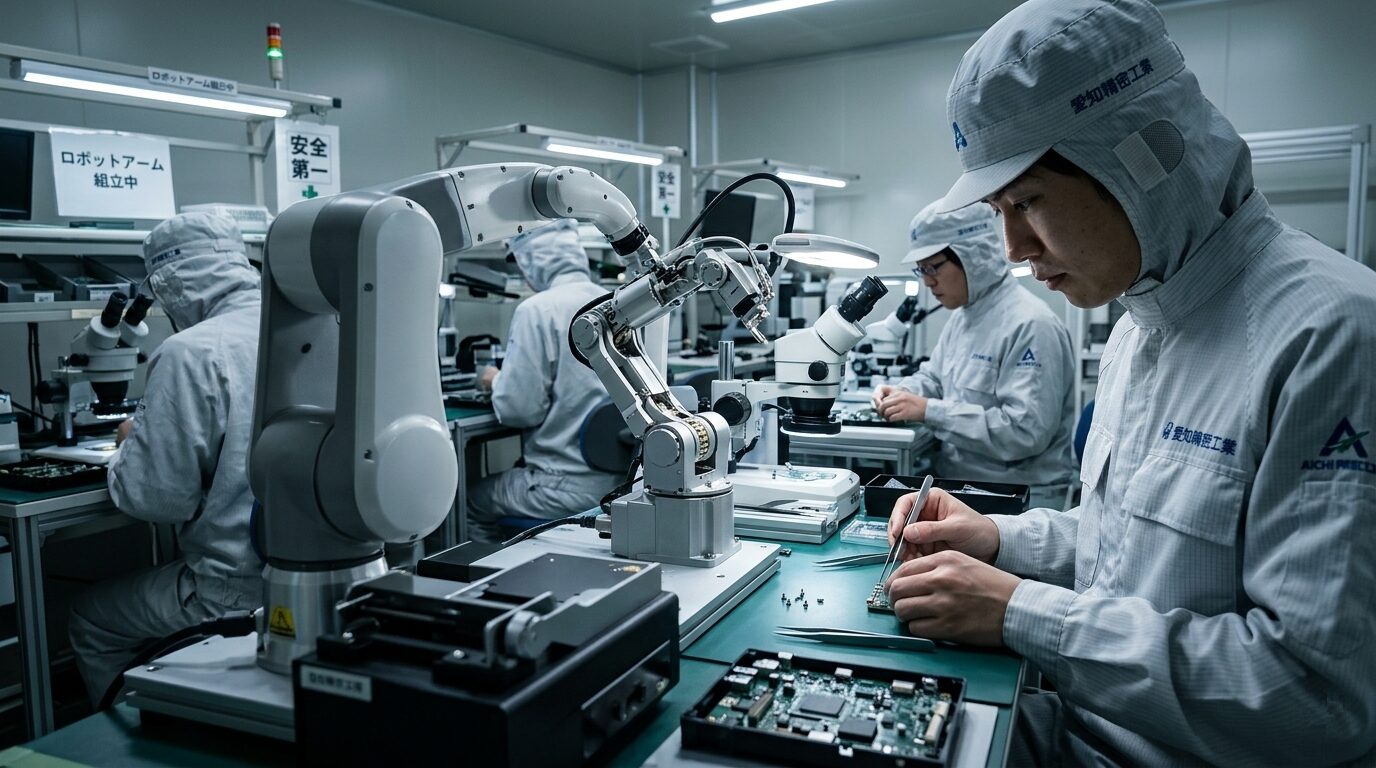
At the core of Japanese manufacturing is “monozukuri.”
It means more than making things.
It represents:
- Pride in craftsmanship
- Attention to detail
- Commitment to improvement
Workers are not just producing items—they are creating value.
The Role of Discipline and Responsibility
Japanese manufacturing culture is also influenced by a strong sense of discipline and responsibility.
Workers take personal pride in their work, and mistakes are taken seriously—not as failures, but as opportunities to improve.
This mindset creates a culture where quality is not enforced from above, but built into daily actions.
As a result, consistency becomes natural rather than forced.
Respect for Craftsmanship
In Japan, craftsmanship is respected.
Even small roles in production are valued.
This mindset leads to:
- High attention to detail
- Strong sense of responsibility
- Consistent quality output
The Kaizen System: Continuous Improvement
Small Improvements Daily
“Kaizen” means continuous improvement.
Instead of big changes, Japanese companies focus on:
- Small daily improvements
- Incremental efficiency gains
- Eliminating waste
Over time, these small changes create major advantages.
Employee Involvement
Workers are encouraged to suggest improvements.
This leads to:
- Higher engagement
- Better problem-solving
- Faster innovation
Education and Skill Development
Technical Training
Japan invests heavily in technical education.
Workers often go through:
- Structured training programs
- On-the-job learning
- Continuous skill upgrades
Long-Term Skill Mastery
Employees often stay in the same company for years.
This allows:
- Deep expertise
- Process mastery
- Fewer mistakes
Supplier Networks and Trust
Long-Term Partnerships
Japanese companies build long-term relationships with suppliers.
Instead of switching for lower prices, they focus on:
- Trust
- Stability
- Shared growth
Quality Consistency
Because of this system:
- Parts are consistent
- Standards are maintained
- Production is stable
Real Examples of Japanese Manufacturing Excellence
To understand why Japanese manufacturers are trusted worldwide, it helps to look at real companies.
For example, Toyota is known for its production system, which emphasizes efficiency, quality control, and continuous improvement.
Sony has built a global reputation for precision electronics, combining innovation with long-term reliability.
Even smaller companies in Japan focus on niche expertise, producing highly specialized components used globally.
These examples show that Japanese manufacturing is not limited to large corporations—it is deeply rooted across all levels of industry.
Real-World Testing and Market Demands
Japan’s Environment
Japan’s environment demands durability.
Products must handle:
- Humidity
- Earthquakes
- Temperature changes
This leads to stronger designs.
Customer Expectations
Japanese consumers expect high quality.
Even small defects are not accepted.
This pushes companies to maintain strict standards.
How Japanese Companies Differ Globally
Short-Term vs Long-Term Thinking
Many companies focus on short-term profits.
Japanese companies often focus on:
- Long-term reputation
- Customer trust
- Sustainable growth
Quality vs Cost
While some markets prioritize low cost, Japan prioritizes quality.
This results in:
- Higher initial cost
- Lower long-term cost
Comparison with Other Manufacturing Countries
Different countries approach manufacturing in different ways.
- United States: Focus on innovation and speed
- China: Focus on cost efficiency and mass production
- Germany: Focus on engineering precision
- Japan: Focus on consistency, reliability, and long-term quality
While each approach has strengths, Japan stands out for its balance between precision and long-term durability.
This is why Japanese products are often trusted in industries where failure is not an option.
What This Means for Consumers
When you choose Japanese products, you are choosing:
- Reliability
- Consistency
- Long-term value
This is why many professionals trust Japanese manufacturers.
What Businesses Can Learn from Japanese Manufacturers
Japanese manufacturing is not just for factories—it offers valuable lessons for any business.
Here are key principles you can apply:
- Focus on long-term trust over short-term profit
- Continuously improve your product or service
- Listen to customer feedback and act on it
- Build strong relationships with partners and clients
Even small businesses can adopt these ideas to improve quality and build lasting customer loyalty.
In the end, quality is not just a feature—it is a strategy.
Conclusion
Japan’s manufacturing excellence is not an accident.
It is built on:
- Culture
- Systems
- Long-term thinking
These factors combine to create products that are trusted worldwide.
RELATED ARTICLES
- Japanese Motorcycle Manufacturing Culture
- Kaizen Explained
- Best Japanese Brands
- Why Japanese Products Last Longer
- Hidden Japanese Companies