- Introduction
- Who This Article Is For
- 🎧 Song of the Day: El DeBarge – Who’s Johnny
- Plan Smart: Distance vs Time in Japan
- How to Estimate Motorcycle Travel Distance & Time in Japan
- ⚠️ The 300 km Mistake: What Almost Ruined My Trip in Japan
- ✅ What You Should Do Instead
- Real Experience
- Understand Japan’s Riding Environment
- Choose the Right Roads
- Ride with the Seasons
- Pack Smart for Japan Touring
- Navigation & Fuel Strategy
- Cultural Tips Riders Must Know
- Mistakes to Avoid (Critical)
- FAQ
- Start Your Best Ride in Japan
- Related Articles
- 🎧 Drive into the golden era: El DeBarge – Rhythm of the night
Introduction
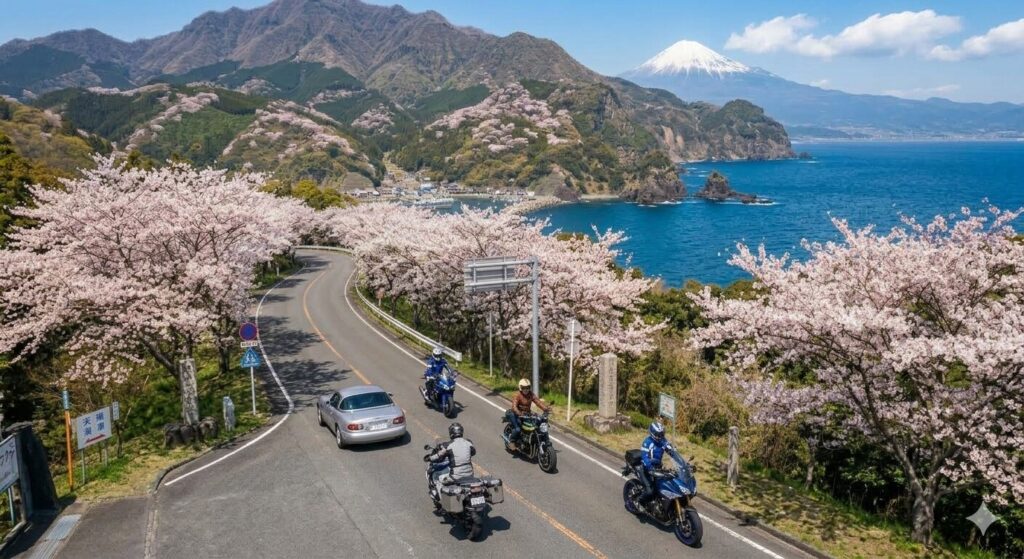
The road is flawless.
The corners come exactly where you expect them.
Your timing is perfect. Your plan—precise.
And yet, something feels… thin.
You pass through villages without stopping.
You ride past workshops without noticing.
You follow the road—but never enter the place.
Japan doesn’t reveal itself to riders who only move correctly.
It opens—quietly—
to those who know when not to ride,
when to stop,
and when to step off the machine.
This is not about better riding.
It’s about not missing Japan.
👉 For the complete touring strategy:
Ultimate Guide to Motorcycle Touring in Japan
Who This Article Is For
This guide is perfect for:
- First-time motorcycle travelers in Japan
- Riders who want to avoid common mistakes
- People planning routes and schedules
- Riders who want a smooth, stress-free experience
🎧 Song of the Day: El DeBarge – Who’s Johnny
Hand-picked 80s songs for touring, driving, and exploring Japan’s golden era.
The 1980s marked Japan’s golden age — when Japanese motorcycles, synthesizers, black audio electronics, car audio systems, karaoke machines, City Pop, and model kits helped shape modern global culture.
👇 Press play before reading
Before you dive into motorcycle travel tips for Japan, press play. Let “Who’s Johnny” by El DeBarge set the vibe—because staying cool, aware, and just a little playful might be your best strategy on the road.
This track is a perfect snapshot of 80s music, bursting with bright synth lines and that unmistakable sampler-driven electronic sound. It’s upbeat, a little quirky, and tightly produced—showcasing how audio technology was evolving into something cleaner, sharper, and more expressive. Every note feels intentional, yet effortless.
That evolution? Japan had a huge hand in it.
Yamaha’s musical precision, Roland’s pioneering synths, and Korg’s electronic instruments helped shape this global sound. Add Sony’s Walkman, and suddenly music became personal—portable, always with you. This is the essence of Japanese music culture: innovation meeting everyday experience.
And that mindset is exactly what you need when riding in Japan.
Things may look simple—but small details matter. Road signs, subtle gestures, local habits… miss them, and confusion kicks in fast. But learn the tips, understand the flow, and everything becomes smooth.
No panic. No rushing.
Just rhythm.
Picture yourself cruising through Shizuoka, relaxed, confident, fully in control. The road feels easy—because you prepared.
You don’t need to guess.
You already know.
Press play—and ride smart.
🎧 Bonus Track Awaits
Finish the article to unlock a hidden track for your ride.
Watch Before You Drive or Ride in Japan
Driving in Japan is very different from other countries. To stay safe and avoid common mistakes, watch these short videos before your trip.
Many accidents involving foreign drivers happen due to misunderstanding Japanese traffic rules or assuming their home country rules apply here.
These videos will help you understand how to drive safely and confidently in Japan.
👇How to Drive in Japan | Car Rental, Road Rules & First-Time Tips
- For Foreign Drivers in Japan – Important Safety Information
- The Only Video to Watch Before Driving in Japan
👉 Watching just one of these can prevent serious mistakes.
Plan Smart: Distance vs Time in Japan
One of the biggest mistakes riders make is planning based on distance.
In Japan, that doesn’t work.
Why Distance Is Misleading
- Mountain roads are slow and winding
- Traffic lights are frequent
- Speed limits are lower
👉 100 km in Japan can take an entire day.
Better Planning Strategy
- Ride 150–250 km per day
- Take breaks every 1–2 hours
- Focus on quality, not quantity
Example
Tokyo → Hakone → Fuji area
👉 Around 120 km, but a full-day ride
How to Estimate Motorcycle Travel Distance & Time in Japan
When planning a motorcycle trip in Japan, one of the most useful rules is this:
👉 You can expect to travel about 30 km per hour on average.
This simple calculation helps you create realistic and stress-free travel plans.
Example Daily Schedule
- 6:00 AM → Depart
- 10:00 AM → Arrive at a destination 100 km away
- (Sightseeing, meals, rest)
- 1:00 PM → Depart again
- 4:00 PM → Arrive at accommodation 100 km away
This pacing allows you to enjoy both riding and exploring without rushing.
⚠️ Important Notes
This estimate does NOT apply in the following situations:
- Expressways (faster travel speeds)
- Rural areas in Hokkaido with few traffic lights
- Heavy traffic or urban congestion (much slower)
👉 Always adjust your plan based on road type and conditions.
⚠️ The 300 km Mistake: What Almost Ruined My Trip in Japan
Let me be honest.
Planning a 300 km ride in Japan was one of the biggest mistakes I made.
On paper, it looked easy.
In reality, it turned into a long, exhausting, and stressful day.
Here’s what happened.
🚧 Morning Rush Changed Everything
I started early, thinking I had plenty of time.
But because it was a weekday, I hit morning traffic.
Commuter congestion slowed everything down.
👉 What should have taken 1 hour took nearly 2.
⛽ Fuel Anxiety Became Real
In the afternoon, my fuel warning light turned on.
No problem—I checked Google Maps.
But when I arrived…
The gas station was closed.
Another one? Also closed.
Some rural gas stations in Japan close early—or don’t open on certain days.
👉 I was suddenly very close to running out of fuel.
🌙 Arriving Too Late
Because of delays, I arrived at my accommodation at 10:00 PM.
Everything was closed.
- No restaurants
- No local shops
I went to a convenience store.
Even there, most meals were sold out.
👉 Dinner was just bread.
🛑 Worst Case: Mechanical Trouble
Now imagine this happens:
You get a flat tire.
In Japan, during major holidays like:
- Golden Week
- Obon
- New Year
👉 Many repair shops and dealers are closed.
No repair.
No movement.
No plan.
You may need to completely change your accommodation.
☀️ Summer Heat Is Brutal
Riding long distances in Japanese summer is exhausting.
- High humidity
- Strong sun
- Long hours on the bike
👉 It drains your energy faster than expected.
⚠️ Other Problems Riders Often Face
- Sudden mountain weather changes (fog, rain)
- Getting lost in rural areas with weak signal
- Unexpected road closures
- Parking limitations in cities
- Wildlife at night in countryside
✅ What You Should Do Instead
- Plan shorter daily rides (150–250 km)
- Leave buffer time
- Be flexible with your route
- Enjoy the journey, not just the destination
Real Experience
On my first trip, I planned a 300 km route thinking it would be easy.
It wasn’t.
Mountain roads slowed everything down, and I arrived exhausted.
The next day, I cut the distance in half.
That day became one of the best rides I’ve ever had.
👉 In Japan, less distance = better experience.
Understand Japan’s Riding Environment
Japan is safe—but different.
Left-Side Riding
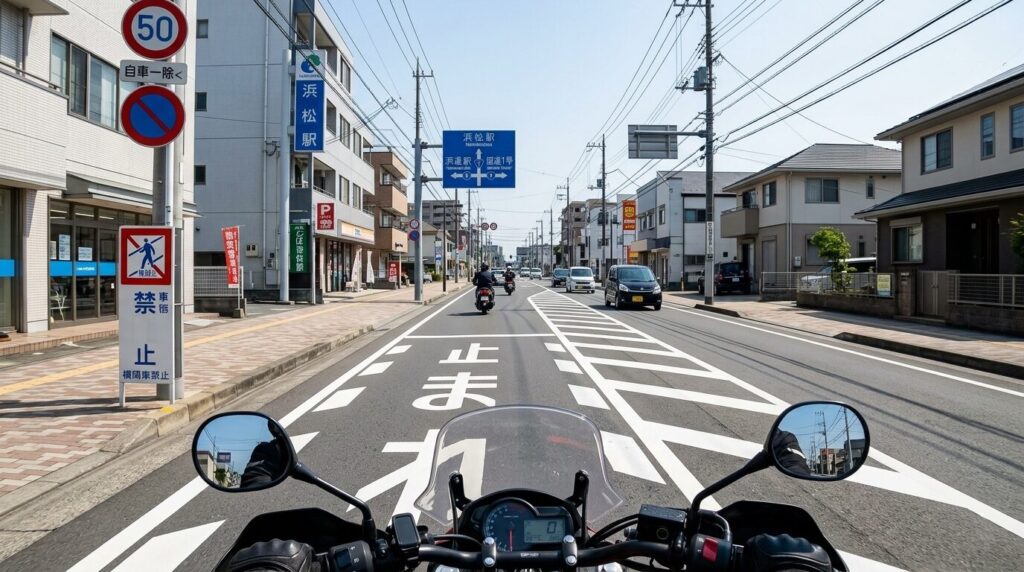
If you’re used to right-side driving, adjust early.
👉 Tip: Repeat
“Stay left”
👉 Check official driving rules here: International Driving Permit info
Driver Behavior
- Predictable and polite
- But taxis may stop suddenly
Road Signs
- Mix of English and Japanese
- Rural areas may be Japanese-only
Choose the Right Roads
Local Roads (Best Choice)
- Scenic
- Free
- Authentic
👉 Recommended for 90% of your trip
Expressways
- Fast but expensive
- Less enjoyable
👉 Use only when necessary
Must-Ride Roads
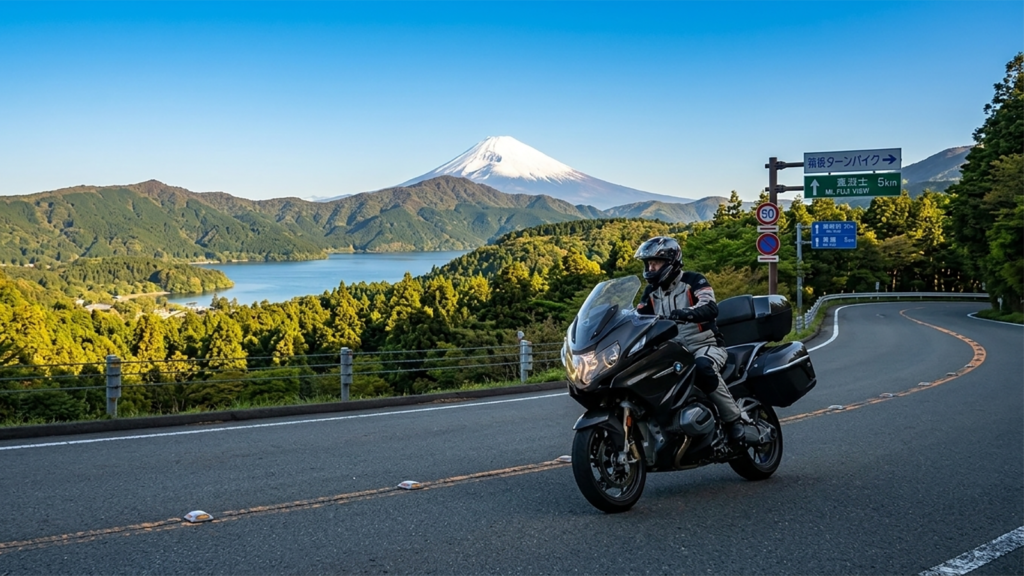
- Hakone Turnpike
- Irohazaka (Nikko)
- Shimanami Kaido
- Lake Hamana
Ride with the Seasons
Timing changes everything.
Best Seasons
- Spring → Cherry blossoms
- Autumn → Cool weather + colors
👉 Best overall: Autumn
Avoid
- Rainy season (June)
- Peak summer heat
Pro Strategy
👉 Summer → Ride in Hokkaido
Pack Smart for Japan Touring
Packing correctly makes a huge difference.
Essentials
- Rain gear
- Riding gloves
- Protective gear
Useful Items
- Portable charger
- Cash
- Small towel (onsen & rest stops)
Navigation & Fuel Strategy
Navigation
- Google Maps works well
- Use offline backup
Fuel Strategy
- Gas stations close early
- Rural areas = fewer stations
👉 Rule: Refuel at half tank
👉 Use this for navigation: Open Google Maps
Cultural Tips Riders Must Know
Respect Matters
- No loud revving
- Be polite at stops
Michi-no-Eki (Must Use)
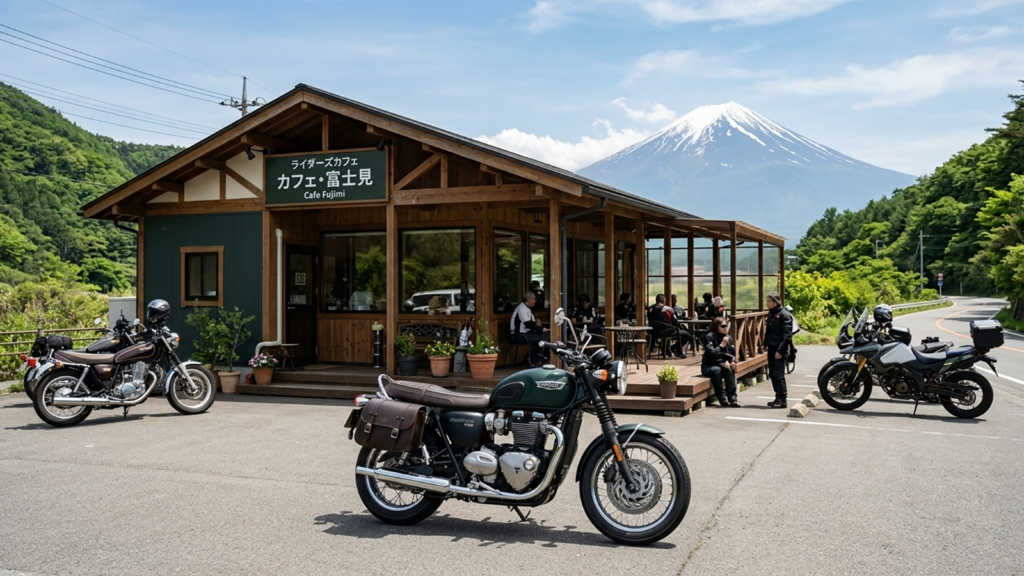
- Free rest stops
- Food + toilets
- Local culture
Onsen Experience
After riding:
👉 Hot spring = recovery + relaxation
Mistakes to Avoid (Critical)
1. Overpacking Schedule
Too much riding = stress
2. Ignoring Weather
Rain = serious risk
3. Riding at Night
- Poor visibility
- Wildlife danger
4. Ignoring Toll Costs
Expressways can get expensive
👉 See full cost breakdown:
Motorcycle Touring Cost Guide Japan
FAQ
Q: How many km should I ride per day in Japan?
150–250 km is ideal.
Q: Are highways worth it?
Usually no—local roads are better.
Q: Is summer a bad time?
In most areas yes, but Hokkaido is great.
Q: Can I rely on Google Maps?
Yes, but download offline maps.
Start Your Best Ride in Japan
A great motorcycle trip in Japan isn’t about speed or distance.
It’s about flow.
When you plan smart, ride at the right time, and understand the environment—everything changes.
The ride becomes effortless.
And that’s when Japan becomes unforgettable.
👉 Plan your full journey here:
Ultimate Guide to Motorcycle Touring in Japan
👉 Ready to rent your bike?
How to Rent a Motorcycle in Japan
Related Articles
- Why Smart Riders Skip Tokyo — And Discover Japan’s Hidden Motorcycle & 80s Hobby Culture Paradise Instead
- Ultimate Guide to Motorcycle Touring in Japan
- How to Rent a Motorcycle in Japan
- Beginner Guide to Riding in Japan
- Japan Motorcycle Touring Cost Guide
- Mount Fuji Motorcycle Touring Guide
- Lake Hamana Touring Guide
🎧 Drive into the golden era: El DeBarge – Rhythm of the night
👇 Feel the golden era again:
🎧Every article features a curated 80s hit or Japanese City Pop track.
Press play and experience how Japan, synth culture, and 80s music shaped global sound.
👉 How Japan Shaped Modern Music: The 1980s Synth Revolution, Sony Walkman, and the Rise of Global Sound Culture
👉 80s Music Culture
👉 80s Hobby Culture