- Introduction
- Who This Article Is For
- 🎧 Song of the Day: ZZ Top – Stages
- Why Japanese Motorcycles Changed the World
- Post-War Motorcycle Boom (1945–1960)
- Post-War Motorcycle Boom (1945–1960)
- Rise of the Big Four (1960s–1970s)
- The Japanese Motorcycle Revolution (1970s–1980s)
- Technology Leadership Era (1980s–1990s)
- Legendary Japanese Motorcycles That Changed History
- Global Domination (1990s–2000s)
- Modern Japanese Motorcycles (2000–Present)
- Japanese Motorcycle Brands Comparison: The Big Four Explained
- Why Japanese Motorcycles Became the World’s Best
- 🎧 Drive into the golden era
- Conclusion
- FAQ
- RELATED ARTICLES
Introduction
What if you could understand motorcycles not just by reading…
…but by riding where they were born?
Japan is not just a country that makes motorcycles.
It is where motorcycle culture was redefined.
From post-war survival to global domination, Japanese motorcycles changed how the world rides.
But here’s what most people miss:
👉 You don’t truly understand Japanese motorcycles until you ride in Japan.
This guide will show you:
- How Japan built the world’s most reliable motorcycles
- Why Honda, Yamaha, Suzuki, and Kawasaki became dominant
- And how you can experience it yourself in places like Shizuoka and Hamamatsu
👉 By the end, you won’t just understand history
👉 You’ll want to ride it
👉 For a complete travel plan including routes, costs, and rentals:
Ultimate Guide to Motorcycle Touring in Japan
Who This Article Is For
- Riders interested in Japanese motorcycle history
- Travelers planning motorcycle touring in Japan
- People comparing Honda, Yamaha, Suzuki, Kawasaki
- Riders who want to experience real motorcycle culture
🎧 Song of the Day: ZZ Top – Stages
Hand-picked 80s songs for touring, driving, and exploring Japan’s golden era.
The 1980s marked Japan’s golden age — when Japanese motorcycles, synthesizers, black audio electronics, car audio systems, karaoke machines, City Pop, and model kits helped shape modern global culture.
👇 Press play before reading
Before you explore the rise of Japanese motorcycles, press play—this track captures the long road of innovation, iteration, and mastery.
“Stages” by ZZ Top is a reflective piece of 80s music, blending blues rock roots with subtle synth textures and clean, modern production. It’s a song about progression—step by step, level by level—mirroring the journey of industries that evolve through persistence and precision. The electronic sound here isn’t overwhelming, but it quietly reinforces the sense of forward motion.
That balance was made possible by the influence of Japanese music culture. During this era, Yamaha instruments, Roland and Korg synth technology, and BOSS guitar effectors helped artists refine their audio into something sharper and more controlled. At the same time, Sony’s Walkman changed how people connected with music—turning songs like this into companions for long rides, commutes, and moments of reflection across Japan and the world.
And that idea of “stages” fits perfectly with Japanese motorcycles. From post-war beginnings to global dominance, brands evolved through careful engineering, constant improvement, and attention to detail. It’s the same philosophy seen in Hamamatsu’s instruments and Shizuoka’s model kits—build, test, refine, repeat.
You can feel it: a steady engine, a long road, time unfolding mile by mile. No shortcuts—just progress.
If you want to understand that journey, it starts in Hamamatsu.
Press play, and ride through every stage of innovation.
Why Japanese Motorcycles Changed the World
Japanese motorcycles didn’t just compete.
They redefined the industry.
They made motorcycles:
- Affordable
- Reliable
- Accessible
👉 This allowed millions of people worldwide to ride.
Post-War Motorcycle Boom (1945–1960)
After WWII, Japan needed mobility.
Cheap. Simple. Reliable.
Small engine bikes became the solution.
👉 This is where everything started.
Post-War Motorcycle Boom (1945–1960)
After WWII, Japan needed mobility.
Cheap. Simple. Reliable.
Small engine bikes became the solution.
👉 This is where everything started.
Watch: The Birth of Japanese Motorcycles
Before Japanese motorcycles became global icons, they started from something much simpler.
In the post-war period, small engines were attached to bicycles to create affordable transportation.
This short video captures the atmosphere of that era—the raw beginnings of what would later become one of the most advanced motorcycle industries in the world.
Rise of the Big Four (1960s–1970s)
The four giants emerged:
- Honda
- Yamaha
- Suzuki
- Kawasaki
Each with a different philosophy.
👉 Competition accelerated innovation.
The Japanese Motorcycle Revolution (1970s–1980s)
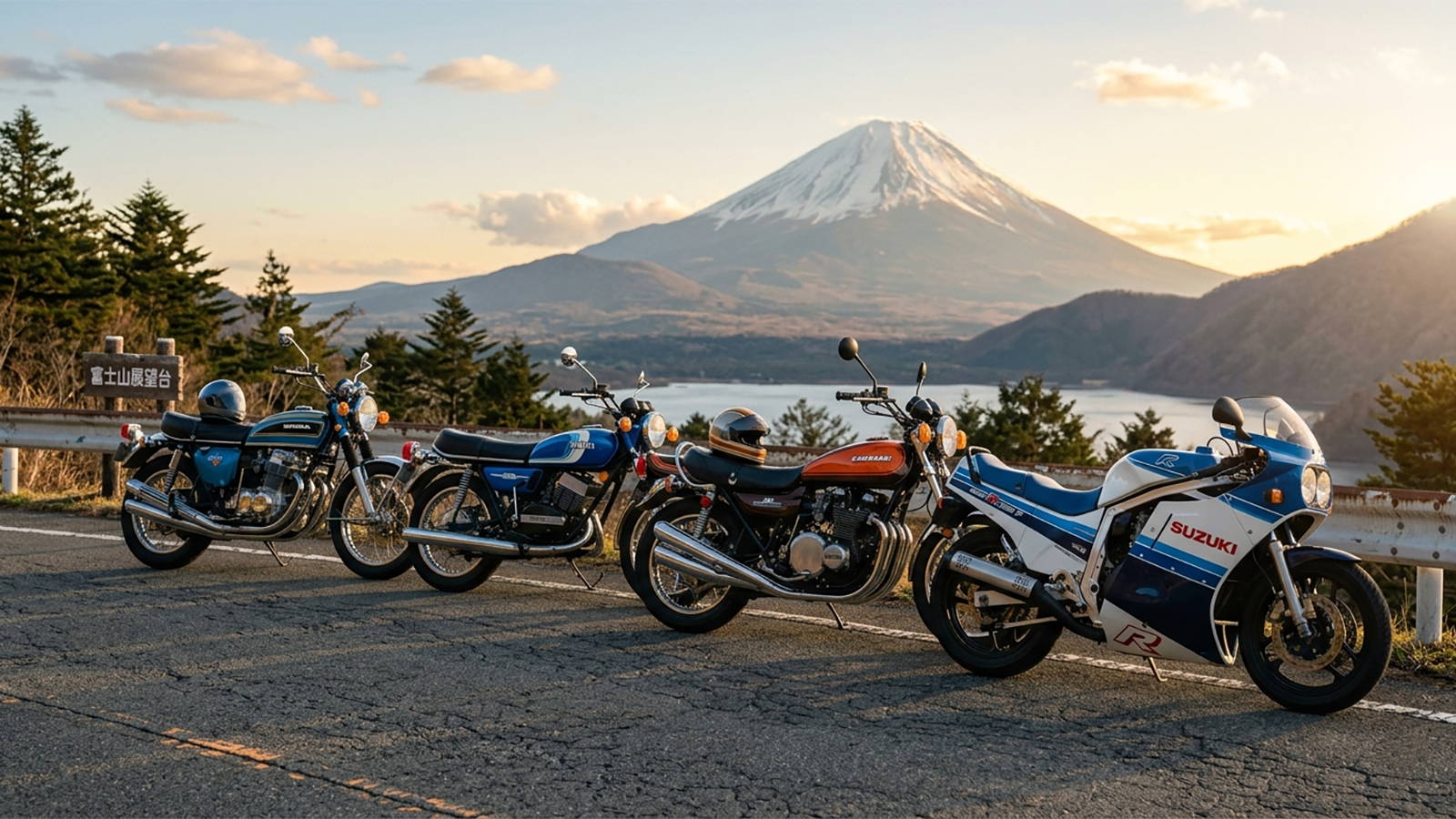
Honda CB750 – The First Superbike
In 1969, Honda launched the CB750.
Features included:
- Inline four engine
- Disc brakes
- Electric starter
This motorcycle changed everything.
It became known as the first modern superbike.
Kawasaki Z1
Kawasaki launched the Z1 in 1972.
It became one of the fastest motorcycles of its time.
Yamaha Performance Era
Yamaha focused on performance bikes.
Popular models:
- Yamaha RD350
- Yamaha XS650
Yamaha built a reputation for sporty motorcycles.
Suzuki Two-Stroke Dominance
Suzuki became famous for:
- Lightweight bikes
- Racing performance
Technology Leadership Era (1980s–1990s)
Japanese manufacturers dominated technology.
Rise of Sport Bikes
Legendary bikes included:
- Honda CBR900RR
- Yamaha FZR1000
- Suzuki GSX-R750
- Kawasaki Ninja
These bikes introduced:
- Lightweight frames
- Aerodynamics
- High performance engines
Racing Dominance
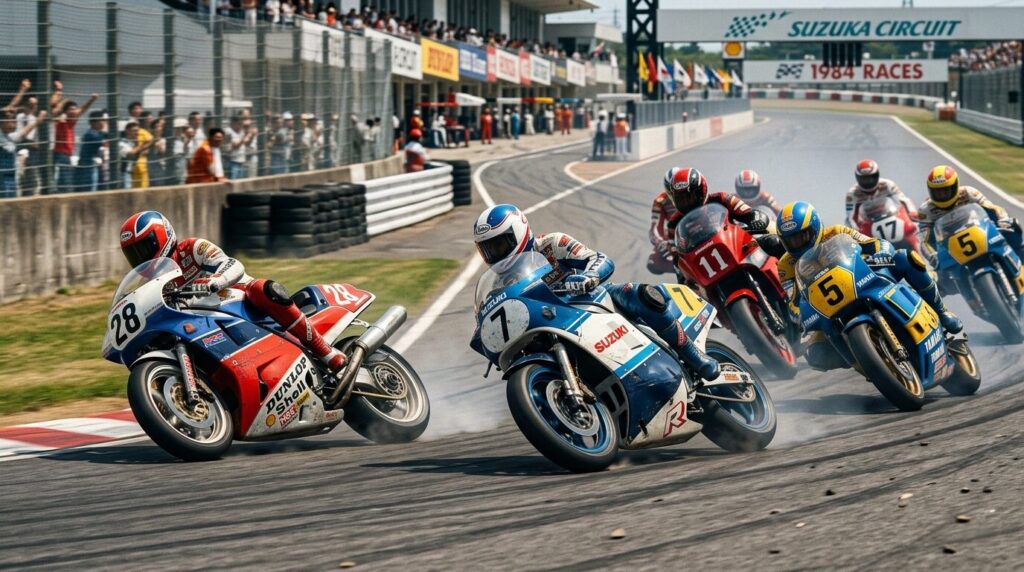
Japanese manufacturers dominated:
- MotoGP
- Superbike racing
Racing improved production motorcycles.
Legendary Japanese Motorcycles That Changed History
Over the decades, several Japanese motorcycles changed the global industry forever.
These models defined performance, reliability, and innovation.
1960s
- Honda Super Cub
- Yamaha YA-1
1970s
- Honda CB750
- Kawasaki Z1
- Yamaha RD350
1980s
- Suzuki GSX-R750
- Honda CBR900RR
- Kawasaki Ninja GPZ900R
1990s
- Honda Fireblade
- Yamaha R1
- Suzuki Hayabusa
2000s and Beyond
- Kawasaki Ninja H2
- Yamaha MT Series
- Honda Africa Twin
These motorcycles shaped modern motorcycling.
Global Domination (1990s–2000s)
Japanese motorcycles became global leaders.
Reliability Reputation
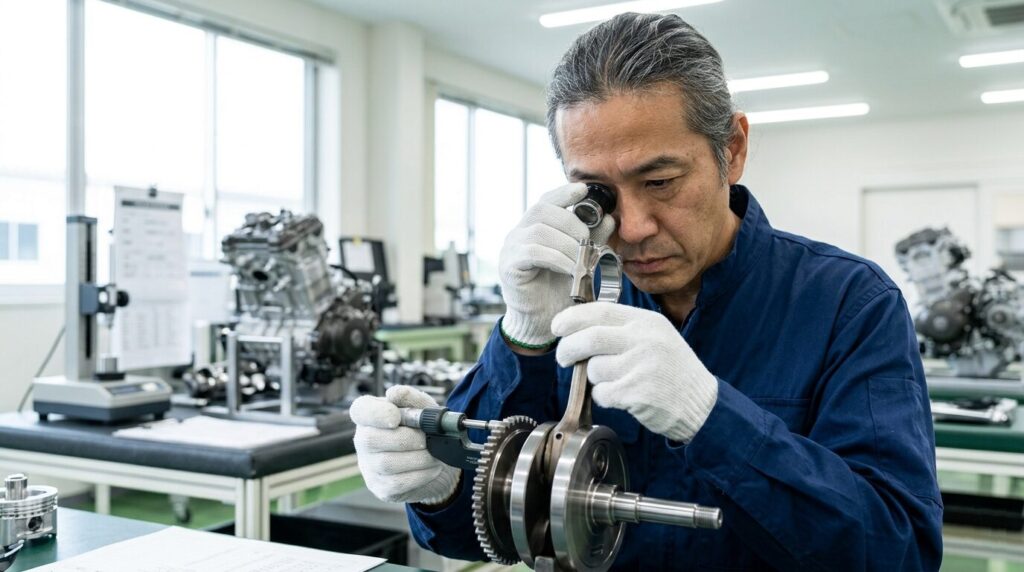
Japanese motorcycles became known for:
- Reliability
- Affordable maintenance
- Long lifespan
Touring Motorcycles
Popular touring bikes:
- Honda Gold Wing
- Yamaha FJR1300
- Kawasaki Concours
These bikes became favorites for long-distance touring.
Modern Japanese Motorcycles (2000–Present)
Modern Japanese motorcycles include:
- Adventure bikes
- Naked bikes
- Touring bikes
- Electric motorcycles
Popular modern bikes:
- Yamaha MT-07
- Honda Africa Twin
- Kawasaki Ninja H2
- Suzuki Hayabusa
Japanese Motorcycle Brands Comparison: The Big Four Explained
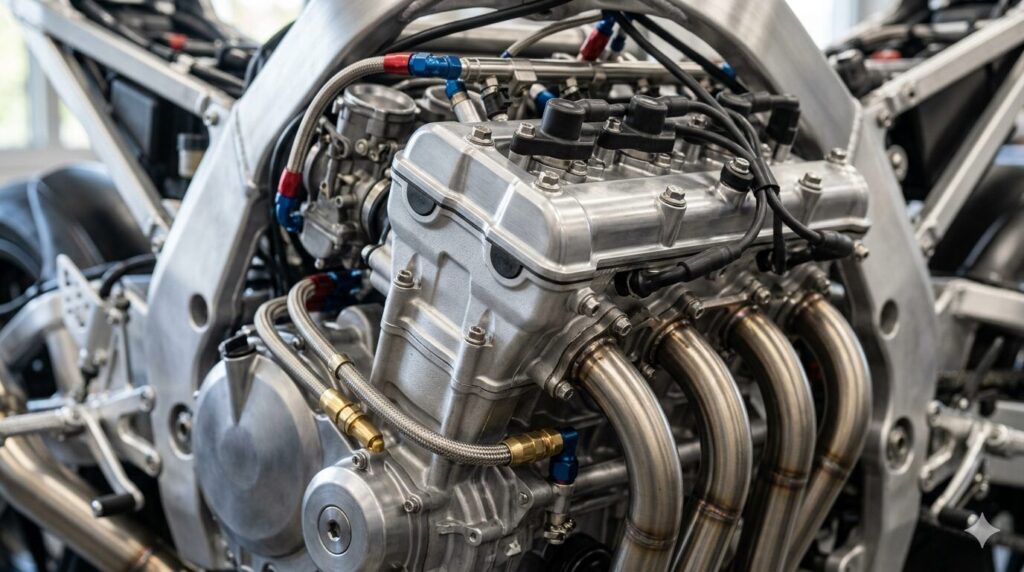
The Japanese motorcycle industry is dominated by four major manufacturers known as the “Big Four.” Each brand has developed a unique identity and riding philosophy over decades.
Understanding these differences helps riders choose the best motorcycle for their needs.
Honda – Reliability and Innovation
Honda is the world’s largest motorcycle manufacturer. The brand focuses on reliability, ease of use, and innovation.
Popular Honda motorcycles include:
- Honda Super Cub
- Honda CB750
- Honda Africa Twin
- Honda Gold Wing
Honda motorcycles are known for:
- Smooth engines
- Comfortable riding
- Long-term reliability
Honda is often recommended for beginners and touring riders.
Yamaha – Performance and Style
Yamaha motorcycles are known for sporty performance and aggressive styling.
Popular Yamaha motorcycles include:
- Yamaha R1
- Yamaha MT-07
- Yamaha Tenere 700
- Yamaha XSR900
Yamaha focuses on:
- Performance
- Lightweight design
- Rider excitement
Yamaha motorcycles are popular among sport riders and enthusiasts.
Kawasaki – Power and Speed
Kawasaki is famous for powerful engines and high-speed motorcycles.
Popular Kawasaki motorcycles include:
- Kawasaki Ninja series
- Kawasaki Z series
- Kawasaki H2
Kawasaki motorcycles are known for:
- Strong acceleration
- Aggressive styling
- High performance
Kawasaki is popular among experienced riders.
Suzuki – Value and Balance
Suzuki focuses on performance and affordability.
Popular Suzuki motorcycles include:
- Suzuki Hayabusa
- Suzuki GSX-R series
- Suzuki V-Strom
Suzuki motorcycles offer:
- Great performance
- Competitive pricing
- Balanced riding experience
Suzuki is often considered the best value among the Big Four.
Why Japanese Motorcycles Became the World’s Best
Reasons include:
- Engineering excellence
- Reliability
- Innovation
- Affordable pricing
🎧 Drive into the golden era
👇 Feel the golden era again
🎧Every article features a curated 80s hit or Japanese City Pop track.
Press play and experience how Japan, synth culture, and 80s music shaped global sound.
👉 How Japan Shaped Modern Music: The 1980s Synth Revolution, Sony Walkman, and the Rise of Global Sound Culture
👉 80s Music Culture
👉 80s Hobby Culture
Conclusion
Japanese motorcycles transformed global transportation. From humble beginnings to world dominance, Japan’s motorcycle industry remains one of the most influential forces in motorcycling.
Their legacy continues today — and the next chapter is already being written.
FAQ
Q1: Why are Japanese motorcycles reliable?
→ Engineering + Kaizen
Q2: Best brand?
→ Depends on riding style
Q3: Can foreigners ride?
→ Yes, with license
Q4: Best area?
→ Shizuoka
Q5: Best season?
→ Spring / Autumn