- Introduction
- Who This Article Is For
- The Origin of Yamaha (1887): A Company Built on Sound
- From Music to Motorcycles: Post-War Transformation
- The First Yamaha Motorcycle (YA-1) and Racing Success
- Yamaha Racing DNA: Engineering Through Competition
- Yamaha’s Unique Philosophy: Balance and Human-Centered Design
- Yamaha vs Other Japanese Brands
- Experiencing Yamaha in Shizuoka (Iwata & Hamamatsu)
- Museum: YAMAHA Communication Plaza
- Motorcycle Touring in Shizuoka
- What Makes Riding in Shizuoka Unique
- How to Visit and Ride in Japan
- Is It Difficult to Ride a Motorcycle in Japan?
- Cost of a Yamaha Motorcycle Trip in Japan
- Where to Stay and Rent Motorcycles
- Should You Choose a Guided Tour or Ride Solo?
- Real Rider Experience
- Why This Region Matters Globally
- From Understanding Yamaha to Experiencing It
- Conclusion
- FAQ
- Related Articles
Introduction
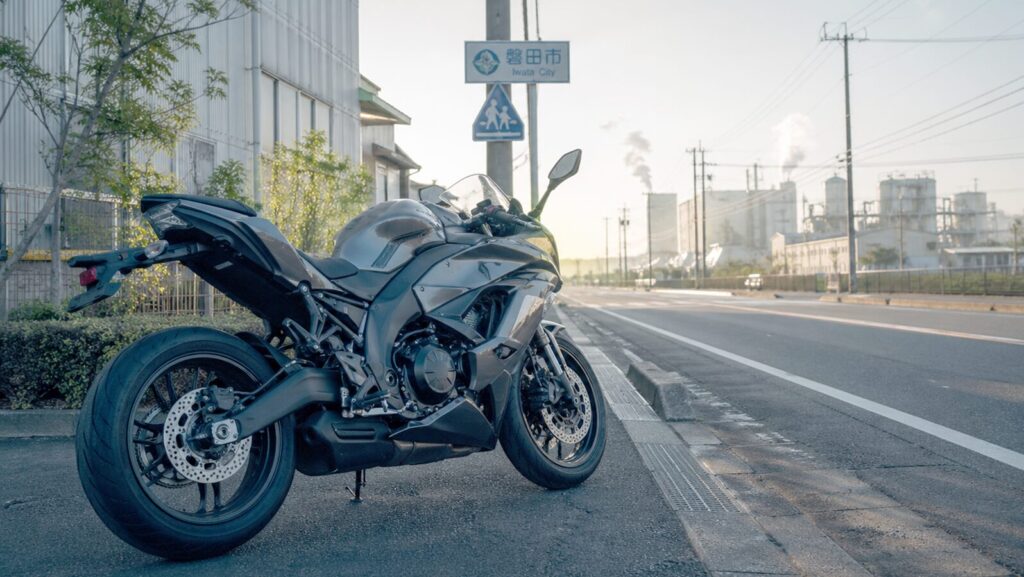
If you have ever ridden a Yamaha, you have already felt something different.
Not just speed.
Not just power.
👉 A sense of balance.
This article will show you why.
By the end, you will:
- Understand how Yamaha evolved from music to motorcycles
- Discover why Yamaha feels different from other brands
- Know exactly where to experience Yamaha culture in Japan
👉 And you may find yourself planning a ride to Shizuoka.
Who This Article Is For
This guide is perfect for:
- Yamaha motorcycle riders
- Riders curious about Japanese motorcycle culture
- Travelers planning a motorcycle trip to Japan
- People looking for deeper meaning beyond specs
The Origin of Yamaha (1887): A Company Built on Sound
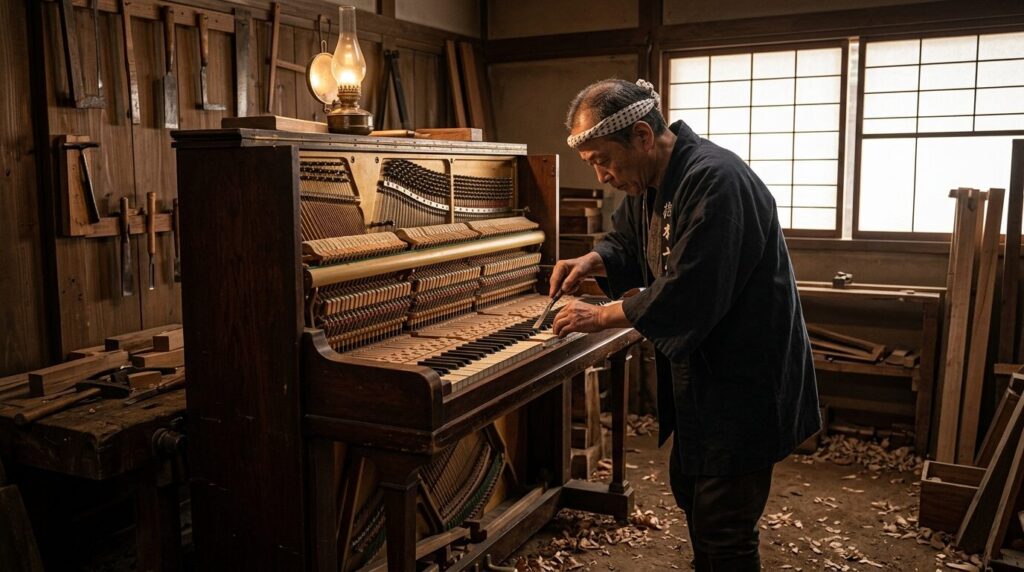
Yamaha did not start with engines.
It started with music.
Founded in 1887, Yamaha built pianos and organs.
This origin shaped everything.
👉 Precision, sensitivity, craftsmanship.
These are not typical engineering values.
But they became Yamaha’s advantage.
From Music to Motorcycles: Post-War Transformation
After World War II, Japan needed mobility.
Yamaha entered the motorcycle industry.
But instead of copying others:
👉 They applied musical precision to machines.
This created something unique.
The First Yamaha Motorcycle (YA-1) and Racing Success
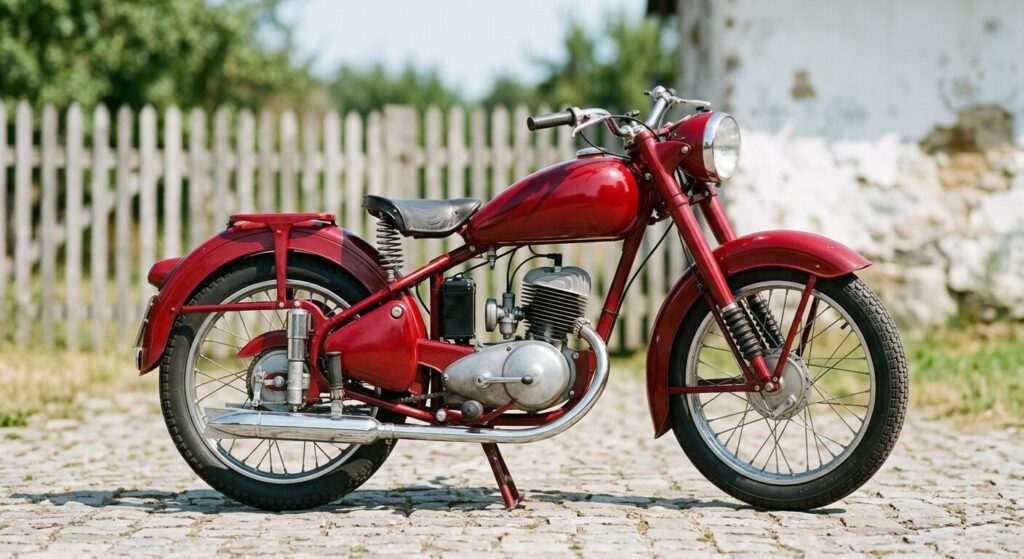
In 1955, Yamaha released the YA-1.
And immediately entered racing.
👉 It won.
This was not marketing.
This was proof.
Yamaha Racing DNA: Engineering Through Competition
Watch Yamaha’s racing DNA in action.
👉 Racing is not promotion. It is development.
Yamaha’s Unique Philosophy: Balance and Human-Centered Design
Yamaha focuses on feeling.
Not just specs.
- Smooth throttle
- Natural handling
- Controlled vibration
👉 This creates connection.
Yamaha vs Other Japanese Brands
- Honda → Reliability
- Yamaha → Balance
- Suzuki → Value
- Kawasaki → Power
👉 Yamaha sits in the middle.
👉 Compare brands here: Yamaha vs Honda vs Suzuki
Experiencing Yamaha in Shizuoka (Iwata & Hamamatsu)
This is where things change.
Reading is not enough.
👉 You need to ride.
Iwata is Yamaha’s home.
Hamamatsu is nearby.
👉 If you want the perfect riding experience, Hamamatsu is one of the best areas in Japan.
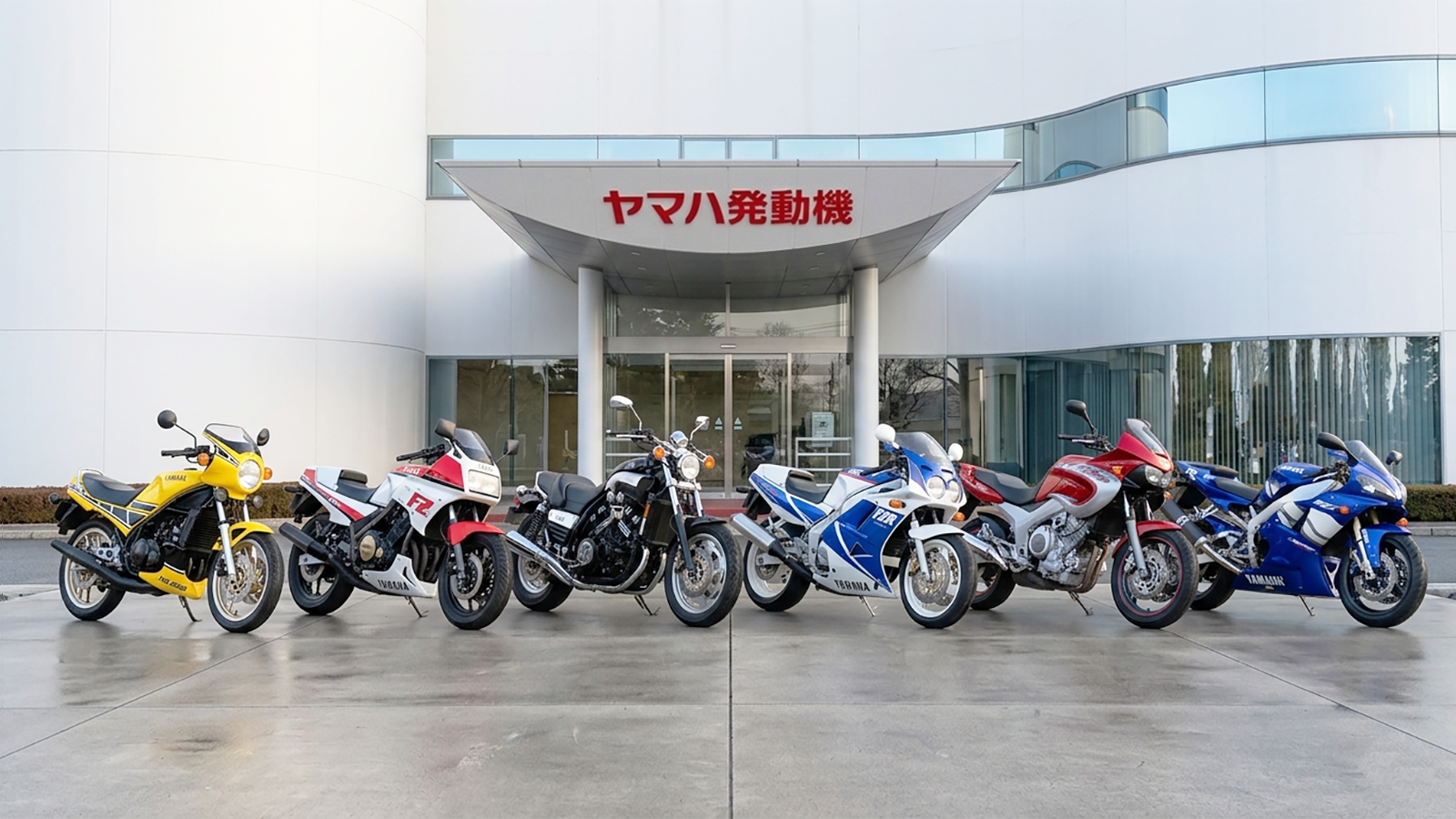
Museum: YAMAHA Communication Plaza
👉 This is one of the few places in Japan where you can feel Yamaha’s identity in one visit.
Take a quick look inside Yamaha Communication Plaza before your visit.
Yamaha Communication Plaza in Iwata is the ultimate place to experience the brand’s history and engineering up close.
Inside, you’ll find legendary motorcycles, racing machines, and cutting-edge technology displays.
⚠️ Note: It is not open every weekend, so always check the official calendar before visiting.
👉 Official schedule: https://global.yamaha-motor.com/showroom/cp/
Occasionally, owner meetups are held here — not on fixed dates, so you might experience a rare and authentic gathering by chance.
Owner’s meetup
You are not just visiting a museum — you might become part of the culture.
70’s and 80’s Yamaha motorcycle meetup
Watch how Yamaha’s legacy continues today through real riders and community meetups.
FZR in 2024
SRX in 2022
SR400 in 2024
Motorcycle Touring in Shizuoka
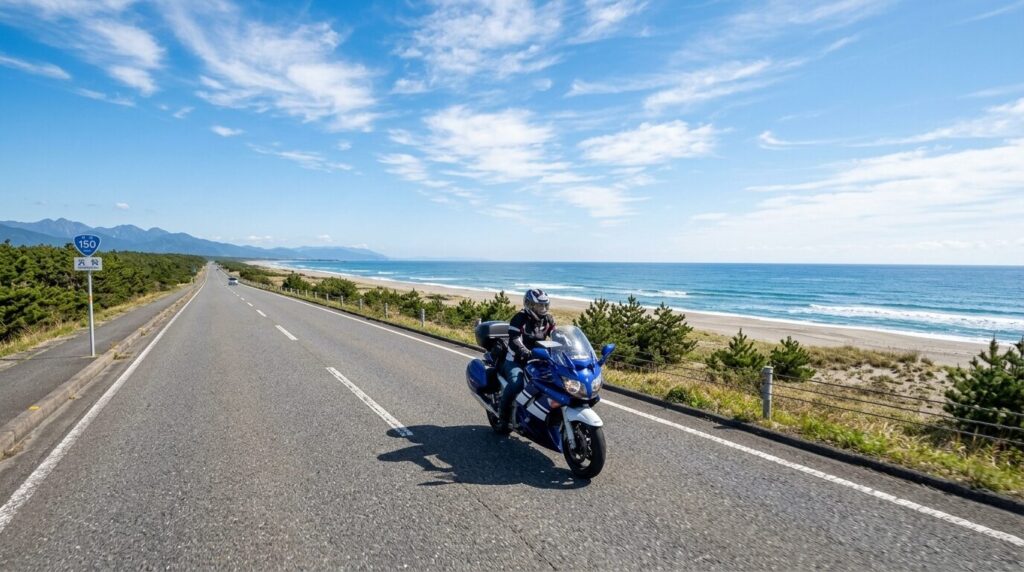
- Clean roads
- Quiet countryside
- Coastal routes
👉 Plan your ride here:
Hamamatsu Motorcycle Touring Guide
Lake Hamana Motorcycle Touring Guide
What Makes Riding in Shizuoka Unique
Shizuoka is not just another riding destination.
It offers a combination that is extremely rare.
Natural Variety
- Ocean roads (Pacific coastline)
- Mountain curves (Tenryu area)
- Lake routes (Lake Hamana)
Rider-Friendly Infrastructure
- Convenience stores every few kilometers
- Clean gas stations
- Roadside stations (Michi-no-Eki)
👉 These small details remove stress and increase enjoyment.
👉 Plan your ride here: Shizuoka Moto Routes
How to Visit and Ride in Japan
- Fly to Tokyo
- Shinkansen to Shizuoka
- Rent a motorcycle
👉 Simple.
Is It Difficult to Ride a Motorcycle in Japan?
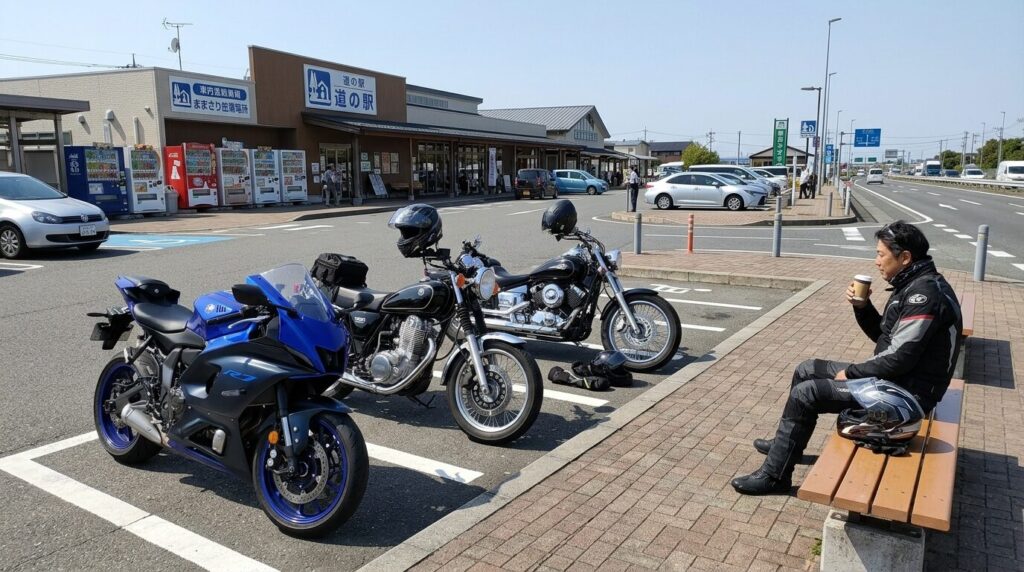
Many international riders hesitate before coming to Japan.
Common concerns:
- “Is riding in Japan difficult?”
- “What if I don’t understand the rules?”
- “Is it safe?”
Here is the reality:
👉 Japan is one of the easiest countries in the world for motorcycle touring.
Why It’s Easy
- Roads are clean and clearly marked
- Drivers are polite and predictable
- Navigation apps work perfectly
What You Need
- International Driving Permit (IDP)
- Basic understanding of left-side driving
👉 That’s it.
For most riders, the challenge is not difficulty.
👉 It’s just unfamiliarity.
And that disappears within the first hour of riding.
Cost of a Yamaha Motorcycle Trip in Japan
One of the biggest concerns is cost.
Let’s break it down clearly.
Daily Budget (Estimated)
- Motorcycle rental: $80–150
- Fuel: $10–20
- Accommodation: $50–120
- Food: $20–50
👉 Total: $150–300 per day
Is It Worth It?
Yes.
Because what you get is not just a trip.
👉 It is a riding experience you cannot find anywhere else in the world.
Where to Stay and Rent Motorcycles
- Hotels near Hamamatsu Station
- Lake Hamana area
👉 Find hotels here: Best Hotels in Hamamatsu
👉 Rent a bike here:
How to Rent a Motorcycle in Japan
How to Explore Hamamatsu Without a Motorcycle
Should You Choose a Guided Tour or Ride Solo?
This is a common decision point.
Guided Tour
- No stress
- Local knowledge
- Pre-planned routes
👉 Best for first-time visitors
Self-Guided Ride
- More freedom
- Flexible schedule
👉 Best for experienced riders
👉 Not sure which is right for you?
Choose based on your experience level and comfort.
Real Rider Experience
I didn’t expect much when I arrived in Iwata.
It felt quiet.
But once I started riding, everything changed.
The roads, the balance, the feeling—
👉 I finally understood Yamaha.
Why This Region Matters Globally
Honda
Yamaha
Suzuki
👉 All in one region.
This is not normal.
This is a global motorcycle hub.
From Understanding Yamaha to Experiencing It
At some point, reading is no longer enough.
You begin to imagine:
- Riding through quiet mountain roads
- Feeling the balance Yamaha is known for
- Stopping at a small local store with your bike parked outside
👉 This is where everything changes.
This is no longer information.
👉 It becomes a decision.
👉 Plan your ride now: Best Motorcycle Roads in Shizuoka
👉 Find your bike here: Best Motorcycle Rental Japan
Conclusion
Yamaha is not just a brand.
It is a feeling.
You can read about it.
But eventually:
👉 You will want to ride it.
FAQ
Why is Yamaha different?
Because it focuses on balance and feel.
Where is Yamaha located?
Iwata, Shizuoka, Japan.
Can I ride there?
Yes, with an international permit.
Is Japan safe for riding?
Yes, one of the safest in the world.
Related Articles
- Why Smart Riders Skip Tokyo — And Discover Japan’s Hidden Motorcycle & 80s Hobby Culture Paradise Instead
- Ultimate Guide to Japanese Motorcycle Culture
- Complete History of Japanese Motorcycles
- Why Japan Dominated Motorcycles (1980–1999)
- Why Japanese Motorcycles Are So Popular Worldwide
- Why Japanese Motorcycles Feel Different
- Honda Motorcycle History
- Suzuki Motorcycle History
- Kawasaki Motorcycle History