- Introduction
- Who This Article Is For
- Why Japan Is a Rider’s Paradise (Not Just a Destination)
- What Makes Japanese Motorcycle Culture Unique
- The Real Structure of Motorcycle Culture in Japan
- Best Motorcycle Regions in Japan
- How to Choose the Right Riding Experience
- Rider Cafés: Where the Real Experience Happens
- Real Experience
- How to Plan Your Motorcycle Trip
- Mistakes That Ruin Motorcycle Trips in Japan
- Japanese Riding Culture You Must Understand
- Extend Your Ride to Hamamatsu
- The Moment You Understand Japan
- Conclusion
- Ready to Ride Japan?
- FAQ
- Continue Your Journey
- Related Articles
Introduction

Japan is not just a place to ride a motorcycle.
👉 It’s where your ride becomes a story you’ll remember for the rest of your life.
Imagine this:
You start your morning riding along a quiet ocean road in Shizuoka.
No traffic. Just the sound of waves and your engine.
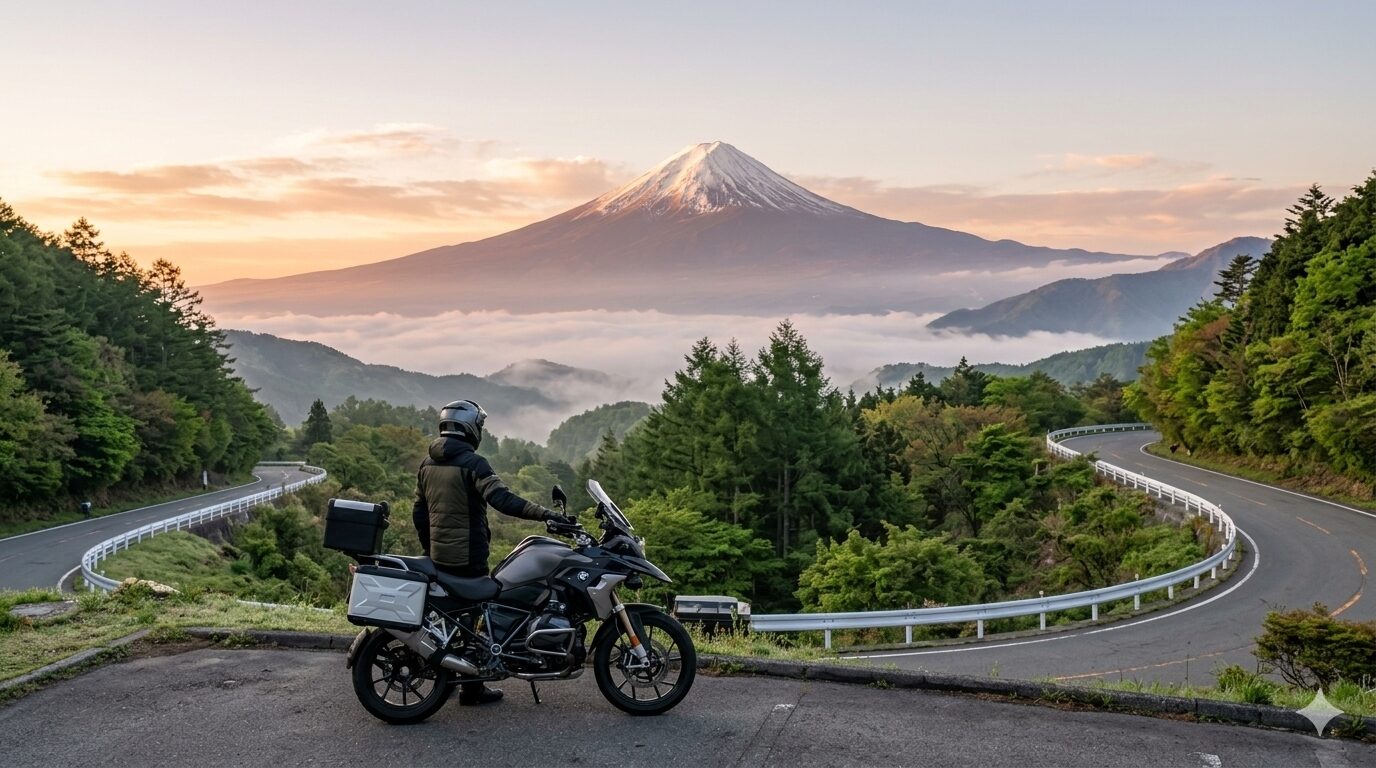
By midday, you’re carving smooth mountain curves with Mount Fuji in front of you.
And by evening…
You’re sitting at a small local café in Hamamatsu, talking to a rider you’ve never met—yet somehow understand.
👉 This is not just touring.
👉 This is Japanese motorcycle culture.
But here’s the truth most guides won’t tell you:
❌ Riding famous roads alone is not enough
❌ You can miss 70% of the real experience
❌ Most riders leave Japan without truly “feeling” it
👉 This guide fixes that.
After reading this, you will:
- Know where to ride AND where to stop
- Understand how Japanese riders actually enjoy riding
- Avoid mistakes that ruin your trip
- Build a complete riding experience (not just routes)
👉 If you want more than just “roads”… keep reading.
Who This Article Is For
This guide is for:
- First-time riders visiting Japan
- Riders planning Fuji / Hakone / Izu routes
- Travelers who want culture, not just sightseeing
- Solo riders looking for real connection
- Riders tired of generic travel guides
Why Japan Is a Rider’s Paradise (Not Just a Destination)

Most countries offer good roads.
Japan offers something different:
👉 Experience density
In one single day, you can have:
- Ocean riding
- Mountain twisties
- Cultural stops
- Human connection
All within 100–200 km.
What makes Japan unique:
- Roads are extremely clean and well-maintained
- Drivers are predictable and safe
- Scenic variety is unmatched
- Infrastructure supports riders (parking, rest stops, fuel)
💡 This matters because:
👉 You spend less time dealing with problems
👉 And more time actually enjoying the ride
What Makes Japanese Motorcycle Culture Unique
1. Discipline Creates Freedom
Japan is strict.
- Lane discipline
- Speed awareness
- Respect for others
But here’s the twist:
👉 That discipline creates one of the most comfortable riding environments in the world.
No aggressive drivers.
No chaos.
Just flow.
2. Silence Is Part of the Experience
In many countries:
👉 Loud = cool
In Japan:
👉 Quiet = respect
- Loud exhausts are often avoided
- Residential areas require silent riding
- Riders blend into the environment
And honestly…
👉 It makes the ride feel deeper.
3. Aesthetic Over Aggression
Japanese riders care about:
- Clean bikes
- Balanced customization
- Visual harmony
Even modified bikes look… refined.
👉 It’s not about showing off
👉 It’s about expressing identity
The Real Structure of Motorcycle Culture in Japan
Most people miss this.
Japanese motorcycle culture is built on three pillars:
① Roads
② Stops
③ People
If you only ride roads…
👉 You experience 30% of Japan.
If you include stops and people…
👉 That’s when it becomes unforgettable.
Best Motorcycle Regions in Japan

Hakone & Mount Fuji Area
- Best entry point from Tokyo
- Famous roads: Hakone Turnpike
- Mt. Fuji views
👉 Perfect for first-time riders
Izu Peninsula (Best Overall Experience)
- Mountain curves + ocean roads
- Izu Skyline (top-tier riding road)
- Coastal Route 135
👉 Plan your full ride here:
Izu Peninsula Motorcycle Route Guide
Shizuoka (The Complete Riding Region)
- Ocean (Suruga Bay)
- Mountains (Izu, Fuji foothills)
- Culture (Hamamatsu)
👉 If you want everything in one trip:
Hidden Motorcycle Roads in Shizuoka
Nagano (Japanese Alps)
- High elevation riding
- Venus Line (legendary)
- Cooler temperatures
Hokkaido (Freedom)
- Endless straight roads
- Minimal traffic
- Multi-day touring
How to Choose the Right Riding Experience
Don’t choose places.
👉 Choose the experience.
Want scenic coastal views
→ Izu Coast, Omaezaki
Want high-performance riding
→ Izu Skyline, Fuji 5th Station Road
Want culture
→ Hamamatsu
Want iconic Japan
→ Mount Fuji, Lake Hamana
Want seafood
→ Numazu, Shimizu, Yaizu
👉 Build your route based on feeling, not popularity.
Rider Cafés: Where the Real Experience Happens

Rider cafés are not about coffee.
👉 They are where your ride becomes a story.
What makes them special:
- Motorcycle parking
- Open, relaxed atmosphere
- Riders naturally gathering
But the real value is this:
👉 You meet people.
Real Experience
One day, I stopped at a small roadside café in Shizuoka.
It didn’t look special.
No famous name. No big sign.
Just a few motorcycles outside.
I sat down, ordered coffee.
A few minutes later, another rider sat next to me.
We didn’t speak the same language.
But we talked about bikes.
Routes. Weather. Roads.
We laughed.
Then we rode off in different directions.
👉 That moment stayed longer than the ride itself.
How to Plan Your Motorcycle Trip
Step 1: Choose Your Base
- Tokyo → Easy access
- Shizuoka → Best overall
- Osaka → Western Japan
Step 2: Rent a Motorcycle
👉 You don’t need to bring your own bike
Japan offers:
- High-quality rentals
- Major brands available
- Flexible plans
👉 Start here:
How to Rent a Motorcycle in Japan
Step 3: Plan Your Route (Simple)
Example:
Day 1: Tokyo → Hakone → Izu Skyline
Day 2: Izu → Coast → Shizuoka
Day 3: Shizuoka → Hamamatsu
👉 This gives you:
- Mountains
- Ocean
- Culture
Mistakes That Ruin Motorcycle Trips in Japan
Avoid these:
❌ Only riding famous roads
❌ Overplanning your schedule
❌ Ignoring weather
❌ Not stopping
Do this instead:
✅ Mix famous + local roads
✅ Leave time for stops
✅ Check weather often
✅ Talk to people
👉 The best moments are unplanned.
Japanese Riding Culture You Must Understand

Convenience Stores
They are not “just stores.”
👉 They are perfect rest stops
- Clean bathrooms
- Good food
- Coffee
Michi-no-Eki (Roadside Stations)
These are cultural hubs.
- Local food
- Large parking
- Riders gathering
👉 You experience Japan here.
Extend Your Ride to Hamamatsu
Most tourists skip Hamamatsu.
Big mistake.
This is where:
- Yamaha & Suzuki were born
- Riders naturally gather
- Culture is alive
👉 Plan here:
Why Hamamatsu Is the Heart of Motorcycle Culture: Honda, Yamaha & Suzuki Origins
👉 If you want the real experience, go here.
The Moment You Understand Japan
There’s a moment.
You’re riding.
No traffic.
No noise.
Just wind and road.
And you realize:
👉 You’re not just traveling.
👉 You’re part of the place.
Conclusion
Japan is not about speed.
It’s not about showing off.
It’s about:
- Quiet roads
- Small discoveries
- Real connection
The roads bring you there.
👉 But the stops make it unforgettable.
Ready to Ride Japan?
Start now:
👉 Plan your route
👉 Book your motorcycle
👉 Choose your first destination
👉 Begin here:
Riding a Motorcycle in Japan for Beginners
This is not just another trip.
👉 This is where your riding story begins.
FAQ
Q1. Is Japan safe for motorcycle touring?
Yes. Roads are clean, drivers are predictable, and infrastructure is excellent.
Q2. Best time to ride?
Spring and autumn.
Q3. Do I need an international license?
Yes. International Driving Permit required.
Q4. Is it expensive?
Moderate. Rentals + toll roads cost money, but experience is high value.
Continue Your Journey
👉 Plan your full route
Ultimate Guide to Motorcycle Touring in Japan
👉 Discover hidden roads
Hidden Motorcycle Roads in Shizuoka
👉 Ride Izu
Izu Peninsula Motorcycle Route Guide
👉 Experience real culture
Motorcycle Pilgrimage to Hamamatsu