- Introduction
- 🎧 Song of the Day: Jackson Browne – Running On Empty
- Who This Article Is For
- Is Motorcycle Touring Safe in Japan?
- Essential Traffic Rules Every Rider Must Know
- Real Road Hazards in Japan (What Most Guides Don’t Tell You)
- Weather Risks That Can Ruin Your Ride
- City vs Rural Riding Safety
- Essential Gear & Preparation Checklist
- What to Do in Emergencies
- Pro Safety Tips from Experienced Riders
- Conclusion
- FAQ
- Related Articles
- 🎧 Drive into the golden era: Lonely Boy – Andrew Gold
Introduction
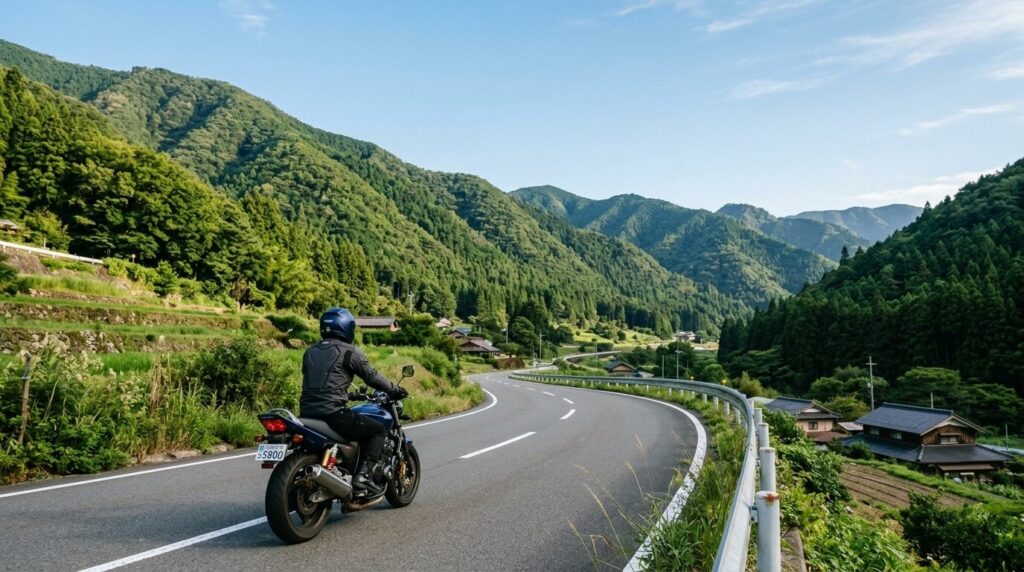
You’re riding through a mountain road.
Clean asphalt. Tight corners. Silence.
Everything feels controlled.
Predictable.
Safe.
And that’s exactly when most foreign riders make their first mistake.
But if you don’t, even a small mistake—like misunderstanding a stop sign or riding in sudden rain—can quickly turn into a dangerous situation.
This guide will show you exactly how to ride safely in Japan, covering traffic laws, real hazards, weather risks, and practical safety tips used by experienced riders.
By the end of this article, you’ll know how to avoid the most common mistakes and enjoy a stress-free motorcycle journey in Japan.
👉 For a complete travel plan including routes, costs, and rentals:
Ultimate Guide to Motorcycle Touring in Japan
🎧 Song of the Day: Jackson Browne – Running On Empty
Hand-picked 80s songs for touring, driving, and exploring Japan’s golden era.
The 1980s marked Japan’s golden age — when Japanese motorcycles, synthesizers, black audio electronics, car audio systems, karaoke machines, City Pop, and model kits helped shape modern global culture.
👇 Press play before reading
Before you think about safety on Japan’s roads, press play. Let “Running On Empty” by Jackson Browne settle in—because this journey isn’t about speed, it’s about endurance.
Released at the crossroads of late 70s and early 80s music, this track carries a steady, reflective rhythm—less about adrenaline, more about awareness. There’s space in the sound, a kind of openness that mirrors long-distance riding. While rooted in rock, its clean audio production hints at the coming wave of electronic sound and subtle synth layering that would soon reshape global music.
At the same time, Japan was redefining how we experienced sound. Yamaha’s instrument precision, Roland’s early synth innovations, and Sony’s Walkman transformed listening into something personal and portable. This was the rise of Japanese music culture—where clarity, balance, and control mattered.
And that philosophy lives on Japan’s roads.
Riding here isn’t about pushing limits. It’s about rhythm. Smooth acceleration, careful observation, and respect for the system. No rushing, no panic—just flow. From the first kilometer to the last, the goal isn’t to arrive fast, but to arrive safely.
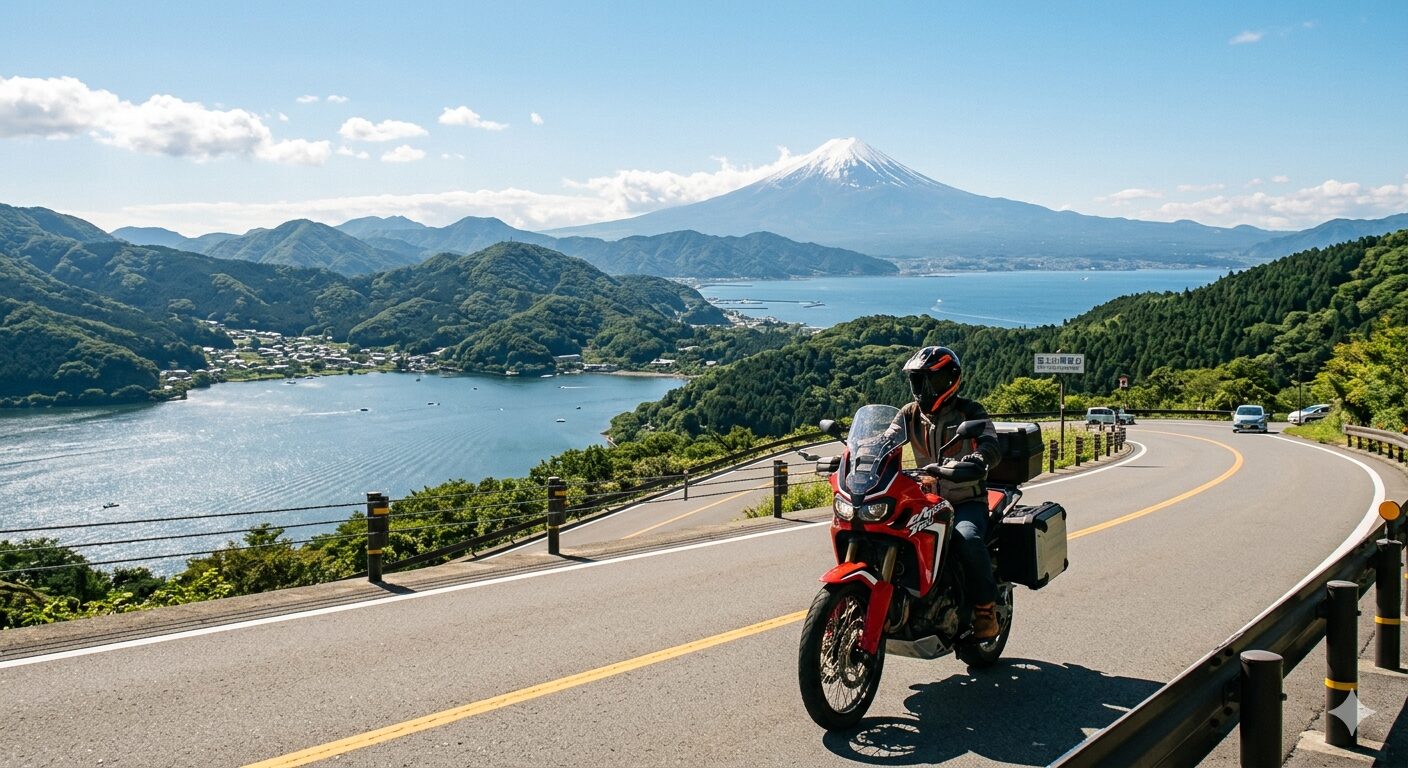
Picture yourself riding through Shizuoka, engine humming, coastline stretching ahead. The road is calm. Your mind is clear.
You’re not chasing anything.
You’re simply moving forward.
Press play—and ride steady.
🎧 Bonus Track Awaits
Finish the article to unlock a hidden track for your ride.
https://www.hamagolden.tokyo/en/motorcycle-touring-safety-in-japan/#toc37
Who This Article Is For
This guide is perfect for:
- First-time riders traveling to Japan
- Foreign motorcycle tourists unfamiliar with left-side driving
- Riders planning long-distance touring (Mt. Fuji, Hokkaido, etc.)
- Anyone worried about safety, road rules, or riding conditions in Japan
Watch Before You Drive or Ride in Japan
Driving in Japan is very different from other countries. To stay safe and avoid common mistakes, watch these short videos before your trip.
Many accidents involving foreign drivers happen due to misunderstanding Japanese traffic rules or assuming their home country rules apply here.
These videos will help you understand how to drive safely and confidently in Japan.
👇For Foreign Drivers in Japan – Important Safety Information
- How to Drive in Japan | Car Rental, Road Rules & First-Time Tips
- The Only Video to Watch Before Driving in Japan
👉 Watching just one of these can prevent serious mistakes.
Is Motorcycle Touring Safe in Japan?
Short answer: Yes—but only if you understand the rules and environment.
Why Japan is One of the Safest Countries for Riders
Japan offers one of the safest riding environments in the world:
- Roads are well-maintained and clearly marked
- Drivers are generally predictable and rule-abiding
- Traffic laws are strictly enforced
- Crime rates are extremely low
For riders, this means fewer unexpected behaviors compared to many other countries.
Common Mistakes Riders Make
Most accidents happen not because Japan is dangerous—but because riders misunderstand the environment:
- Not fully stopping at stop signs
- Underestimating narrow mountain roads
- Riding in bad weather conditions
- Pushing too far without rest
👉 For full trip planning, see: Ultimate Guide to Motorcycle Touring in Japan
Essential Traffic Rules Every Rider Must Know
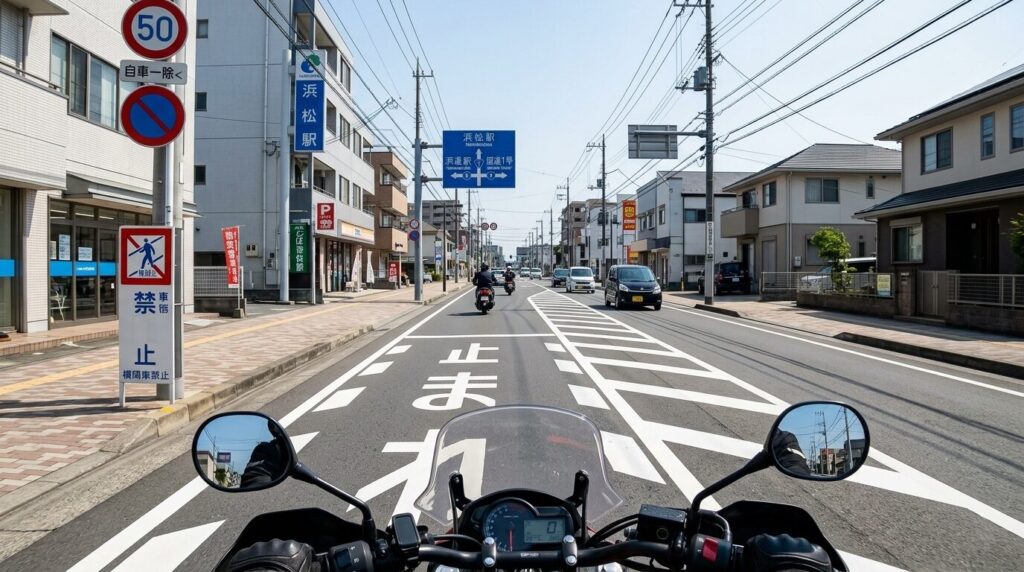
Left-Side Driving Explained
Japan drives on the left side of the road.
For many foreign riders, this is the biggest challenge—especially at intersections and turns.
Key Japanese Traffic Laws
- Full stop is mandatory at stop signs
- Traffic lights are strictly followed
- Speed limits are relatively low:
- City: 40–50 km/h
- Rural: 50–60 km/h
- Lane splitting is legal but risky in cities
Understanding Road Signs
- Blue triangle = Stop / Yield
- Some rural signs are only in Japanese
👉 Tip: Use Google Street View before riding unfamiliar routes
Real Road Hazards in Japan (What Most Guides Don’t Tell You)
During one of my rides in Hakone, I entered a tight mountain corner slightly faster than expected.
Suddenly, a car appeared in my lane—cutting the corner.
I managed to slow down just in time, but it reminded me how unpredictable mountain roads can be in Japan.
Since then, I always reduce speed before blind corners—no exceptions.
Mountain Roads (Touge)
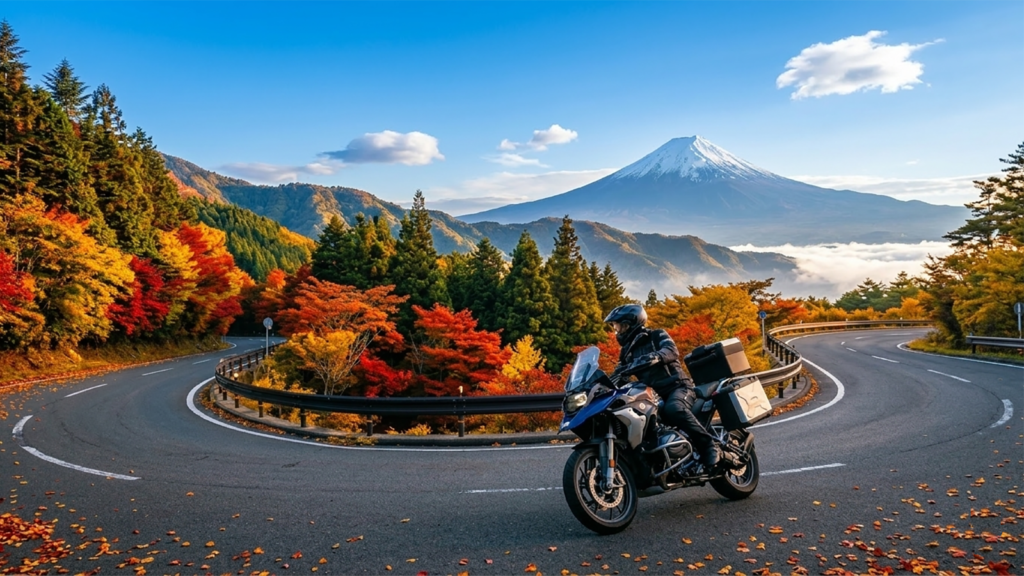
- Narrow lanes
- Blind corners
- Occasional falling rocks
Popular routes like Irohazaka and Norikura require extra caution.
Urban Riding Risks
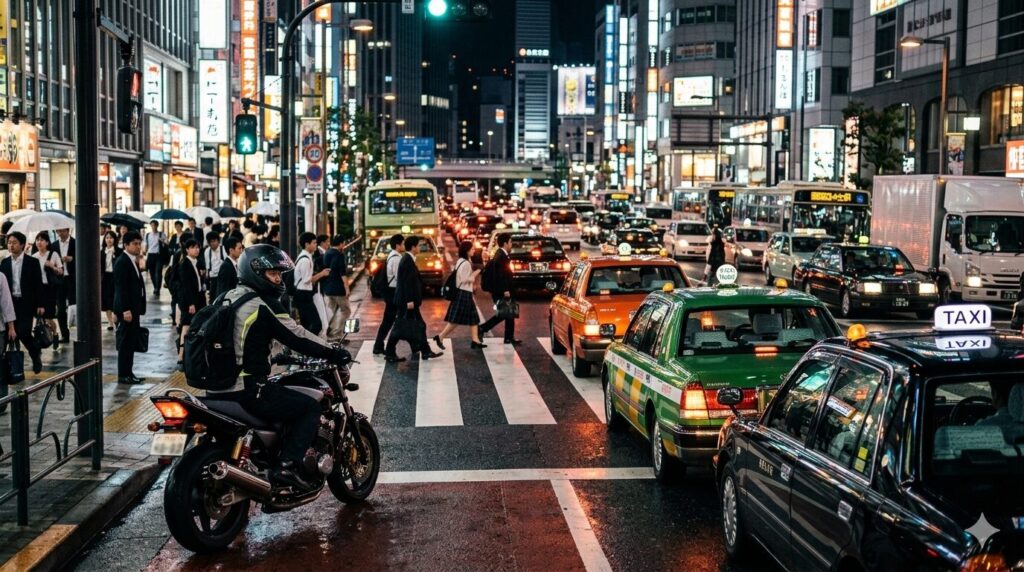
- Sudden stops by cars
- Pedestrians crossing unexpectedly
- Taxi drivers making abrupt turns
Hidden Road Surface Dangers
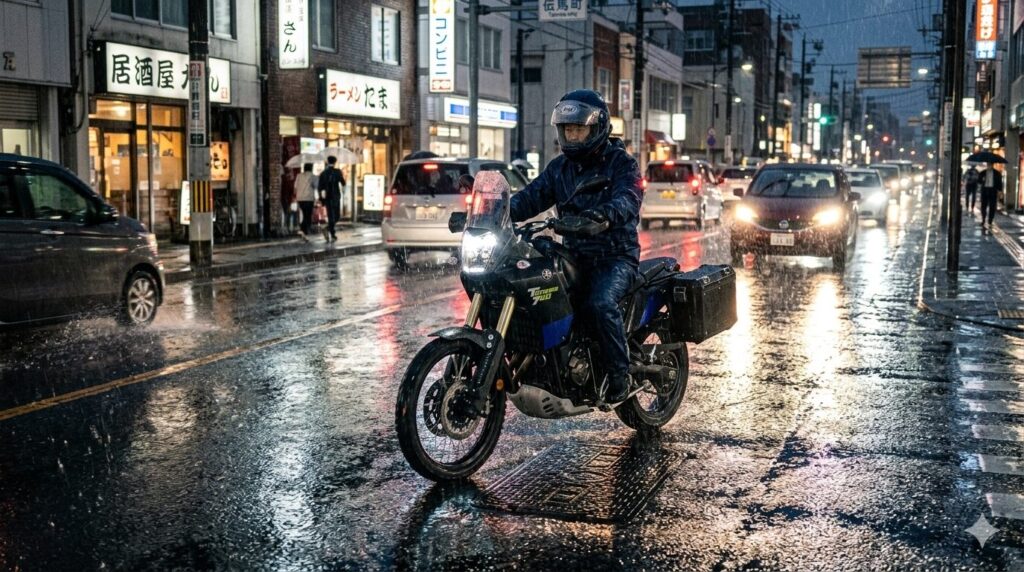
- Painted lines become slippery in rain
- Metal plates and manholes are extremely dangerous when wet
Want to experience one of Japan’s most iconic riding routes?
👉 Mount Fuji Motorcycle Touring Guide in Japan
This guide covers the best routes around Mt. Fuji, including scenic viewpoints, riding tips, and how to safely enjoy one of Japan’s most popular touring areas.
Weather Risks That Can Ruin Your Ride
Rainy Season (June–July)
- Heavy rainfall
- Poor visibility
- Slippery roads
Summer Heat & Fatigue
- Risk of dehydration
- Heat exhaustion
- Reduced concentration
Typhoons (Aug–Sep)
- Strong winds
- Flooded roads
- Extremely dangerous riding conditions
Winter Conditions
- Ice on roads
- Mountain closures
Planning your trip at the right time can make a huge difference in safety and comfort.
👉 Best Season for Motorcycle Touring in Japan
Check monthly weather conditions, riding suitability, and the best seasons to avoid rain, typhoons, and extreme heat.
City vs Rural Riding Safety
Riding in Cities
Pros:
- Clear road signs
- Frequent gas stations
Cons:
- Heavy traffic
- Complex intersections
Riding in Rural Areas
Pros:
- Scenic routes
- Less traffic
Cons:
- Limited services
- Wildlife risks (especially in Hokkaido)
Essential Gear & Preparation Checklist
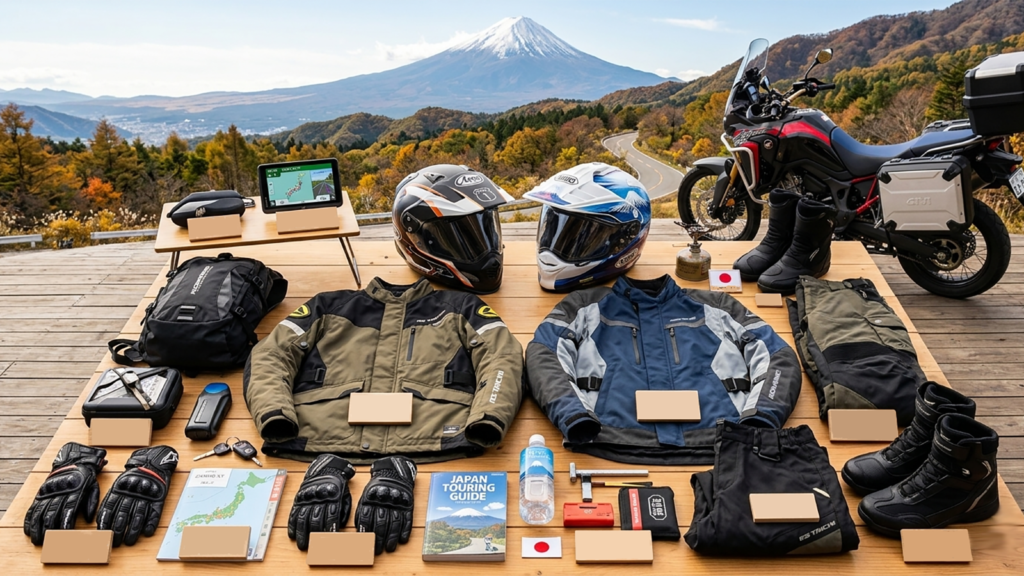
Must-Have Safety Gear
- Full-face helmet
- Riding gloves
- Protective jacket
- Waterproof rain gear
Navigation & Planning Tips
- Smartphone mount
- Offline maps
- Daily weather checks
- Pre-planned fuel stops
Not sure what to bring for your motorcycle trip in Japan?
👉 Ultimate Japan Motorcycle Packing List
This complete checklist covers everything from safety gear to travel essentials—so you don’t forget anything important before your ride.
What to Do in Emergencies
Emergency Numbers
- Police: 110
- Ambulance: 119
Accident & Breakdown Steps
- Stay calm
- Move to a safe area
- Call emergency services
- Contact roadside assistance
Pro Safety Tips from Experienced Riders
- Ride slower than you think
- Take breaks every 1–2 hours
- Avoid riding at dusk (wildlife risk)
- Respect local driving culture
In addition to formal rules, Japan also has unique road etiquette that can improve safety and communication.
👉 Unique Japanese Road Etiquette for Riders
Understanding these unwritten signals—like hazard light “thank you” or rider gestures—can make your ride smoother and safer.
Conclusion
Motorcycle touring in Japan is incredibly rewarding—but only if you ride smart.
By understanding the rules, preparing properly, and respecting the environment, you can avoid most risks and fully enjoy one of the best riding countries in the world.
FAQ
Q1: Is it safe for foreigners to ride motorcycles in Japan?
Yes, as long as you understand traffic rules and road conditions.
Q2: Do I need an international driving permit?
Yes, most foreign riders need an IDP based on the Geneva Convention.
Q3: Is lane splitting allowed in Japan?
Technically yes, but it’s not recommended in heavy traffic.
Q4: What is the biggest risk when riding in Japan?
Mountain roads and sudden weather changes.
Q5: Is Japan beginner-friendly for motorcycle touring?
Yes—but beginners should avoid long mountain routes at first.
Related Articles
- Why Smart Riders Skip Tokyo — And Discover Japan’s Hidden Motorcycle & 80s Hobby Culture Paradise Instead
- Ultimate Guide to Motorcycle Touring in Japan
- Best Season for Motorcycle Touring in Japan
- Mount Fuji Motorcycle Touring Guide in Japan
- Motorcycle Touring Cost Guide in Japan
- Ultimate Japan Motorcycle Packing List
- Unique Japanese Road Etiquette for Riders
🎧 Drive into the golden era: Lonely Boy – Andrew Gold
👇 Feel the golden era again: