- Introduction
- Who This Article Is For
- 🎧 Song of the Day
- Why Japanese Motorcycles Feel Different
- The Philosophy Behind Japanese Motorcycles
- Why Japanese Motorcycles Are So Reliable
- Precision Engineering — What You Actually Feel
- Common Rider Problems (And How Japan Solves Them)
- Real Riding Experience in Japan
- Why Hamamatsu Is the Heart of Motorcycle Culture
- How to Experience Japanese Motorcycles in Japan
- What If You’re Not Used to Riding in Japan?
- If You’re Choosing Your Next Motorcycle
- 🎧 Drive into the golden era
- Conclusion
- FAQ
- Related Articles
Introduction
What makes Japanese motorcycles feel different?
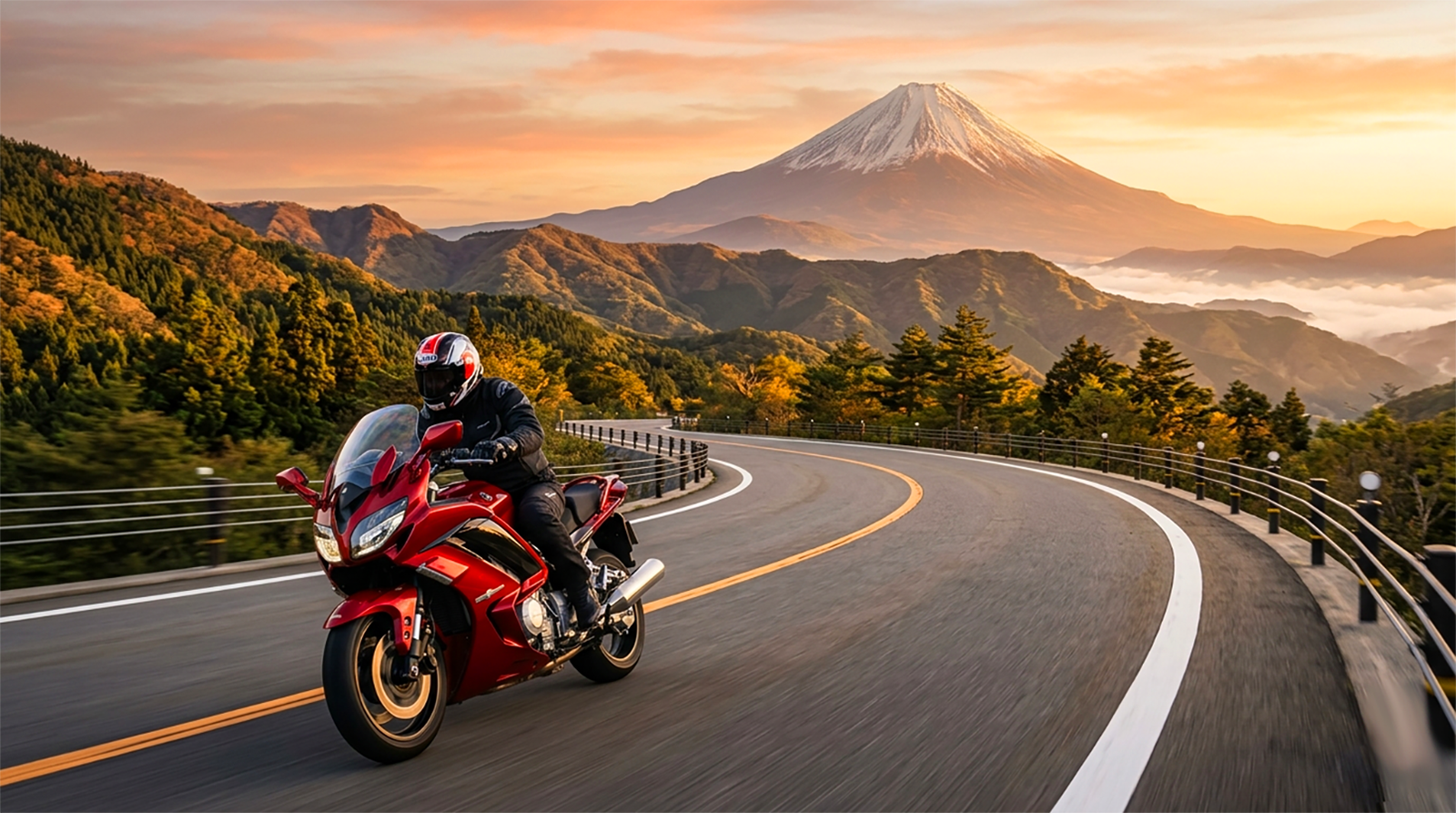
What makes Japanese motorcycles feel so different?
Not just faster.
Not just reliable.
👉 But something you feel instantly.
Smooth.
Stable.
Effortless.
No stress. No surprises.
But here’s what most riders don’t realize:
👉 This feeling is not accidental. It’s designed.
If you’ve ever wondered:
- Why Japanese motorcycles dominate worldwide
- Why they feel easy yet precise
- Why riders trust them instantly
👉 This article will give you the answer.
And more importantly:
👉 It will show you how to experience it yourself in Japan.
If you want to understand the full context of Japanese motorcycle culture, start here:
👉 Ultimate Guide to Motorcycle Touring in Japan
Who This Article Is For
This article is for:
- Riders choosing their next bike
- Travelers planning to ride in Japan
- Beginners worried about control and safety
- Anyone curious about Japanese quality
🎧 Song of the Day
Hand-picked 80s songs for touring, driving, and exploring Japan’s golden era.
The 1980s marked Japan’s golden age — when Japanese motorcycles, synthesizers, black audio electronics, car audio systems, karaoke machines, City Pop, and model kits helped shape modern global culture.
👇 Press play before reading
Before diving into the philosophy behind Japanese motorcycles, press play—this track captures the smooth precision and quiet confidence that define the ride.
“You’re Only Human” by Billy Joel stands as a refined piece of 80s music, blending melodic pop with crisp synth textures and polished production. It’s not aggressive or loud—instead, it moves with control, balance, and clarity. The electronic sound here reflects a period when music became more engineered, more intentional—every tone carefully shaped, much like a perfectly tuned machine.
This evolution in audio was deeply connected to Japanese music culture. Instruments and synth technology from Yamaha, Roland, and Korg helped artists worldwide achieve this level of sonic precision. Add in BOSS guitar effectors for subtle tonal shaping, and you get a sound that feels effortless but is built on exact craftsmanship. At the same time, Sony’s Walkman transformed listening into a personal journey—music became something that moved with you, just like a motorcycle on an open road.
And that’s the connection: Japanese motorcycles are known not just for power, but for reliability and harmony. Every component works seamlessly—just like the layers in this track. It’s the same DNA you see in Hamamatsu’s instruments and Shizuoka’s manufacturing culture: precision, trust, and long-term performance.
Imagine cruising through quiet roads, engine humming steadily, this song playing in your helmet. No stress, no noise—just flow.
If you want to feel that philosophy for real, Hamamatsu is where it begins.
Press play, and ride into the golden balance of sound and machine.
Why Japanese Motorcycles Feel Different
In many countries, motorcycles are built for:
- Speed
- Power
- Status
But in Japan, the goal is different.
👉 Harmony between rider and machine.
This means:
- No unnecessary complexity
- No unpredictable behavior
- No wasted motion
👉 Everything has a purpose.
The Philosophy Behind Japanese Motorcycles
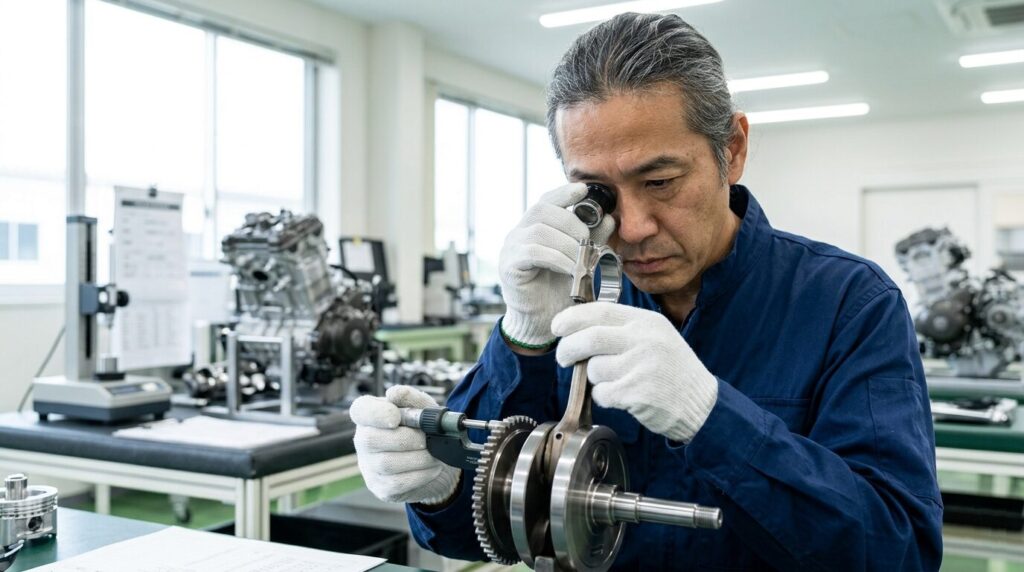
What Is Monozukuri?
Monozukuri means more than manufacturing.
👉 It means creating with pride, skill, and responsibility.
- Craftsmanship
- Precision
- Respect for the rider
Even invisible details matter.
👉 See how Japanese craftsmanship works behind the scenes:
👉 This is Monozukuri in action — precision, discipline, and pride.
Kaizen — Continuous Improvement
Japanese manufacturers focus on:
👉 Small improvements over time.
This results in:
- Better reliability
- Smoother performance
- Long-term trust
Why Japanese Motorcycles Are So Reliable
In many markets:
- Speed and cost are prioritized
In Japan:
👉 Trust is the priority.
That’s why:
- Parts last longer
- Systems are consistent
- Failures are rare
👉 Reliability is engineered.
Precision Engineering — What You Actually Feel
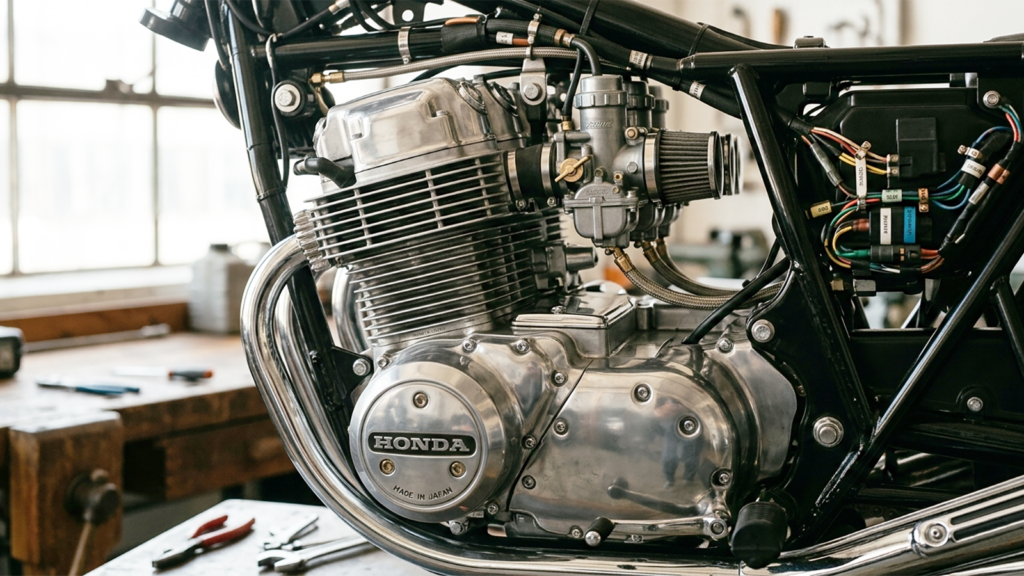
You may not see it.
But you feel it immediately:
- Smooth throttle
- Stable cornering
- Predictable control
👉 This creates confidence.
Common Rider Problems (And How Japan Solves Them)
Many riders struggle with:
- Sudden throttle response
- Unstable handling
- Fatigue on long rides
Japanese motorcycles solve this by:
👉 Designing for real human use.
- Balanced control
- Easy handling
- Reduced stress
👉 You ride longer. You enjoy more.
Real Riding Experience in Japan
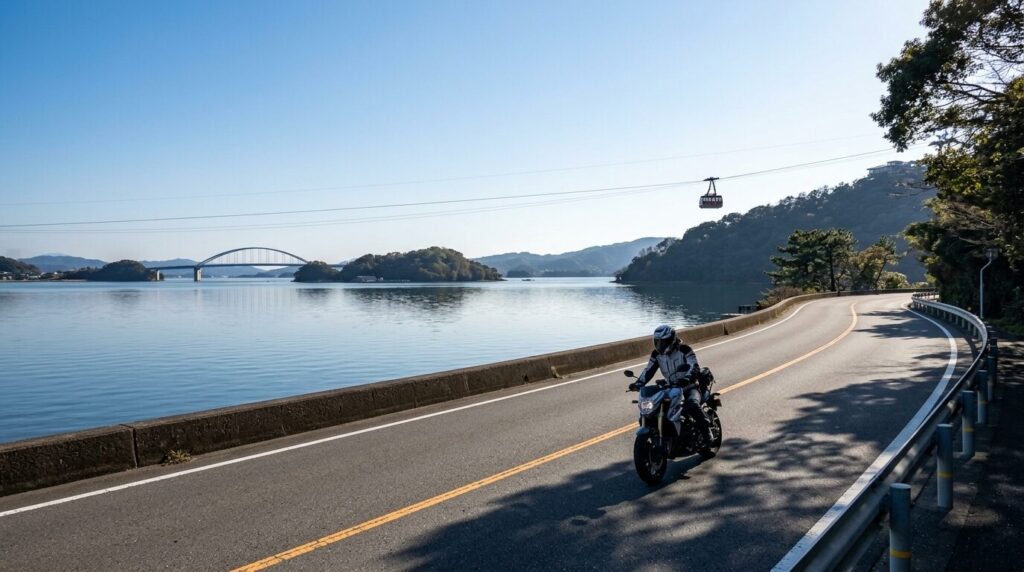
What It Feels Like on the Road
Early morning in Hamamatsu.
A quiet road near Lake Hamana.
You start the engine.
👉 Smooth and controlled.
You take a corner.
👉 Exactly as expected.
No surprises.
👉 Just flow.
Real Rider Story
👇Experience riding in Hamamatsu, one of Japan’s best motorcycle areas:
The first time I rode in Japan, I expected performance.
But what I felt was:
👉 Trust.
No stress.
No adjustment needed.
That’s when I realized:
👉 Japanese motorcycles are built for people.
Why Hamamatsu Is the Heart of Motorcycle Culture
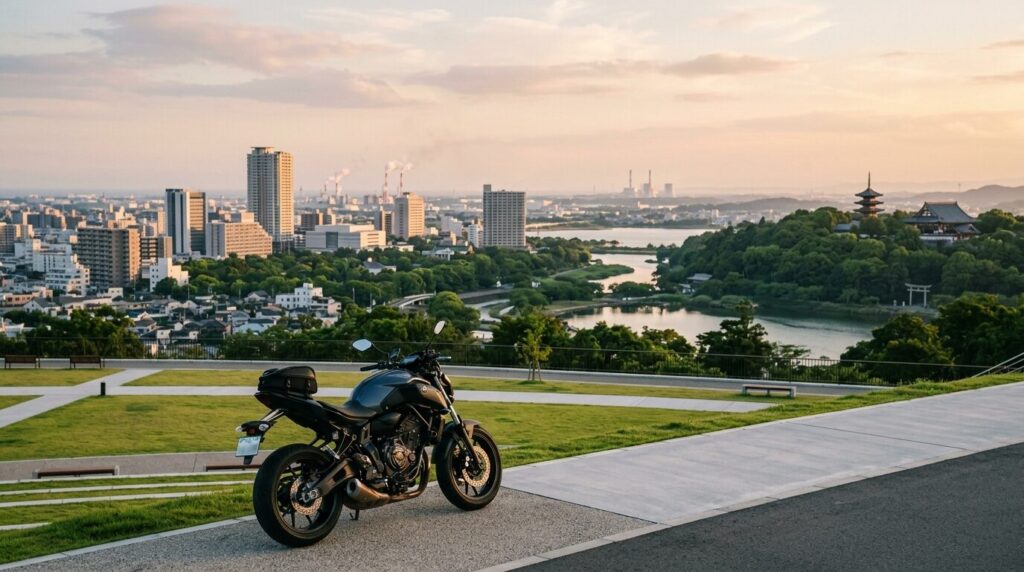
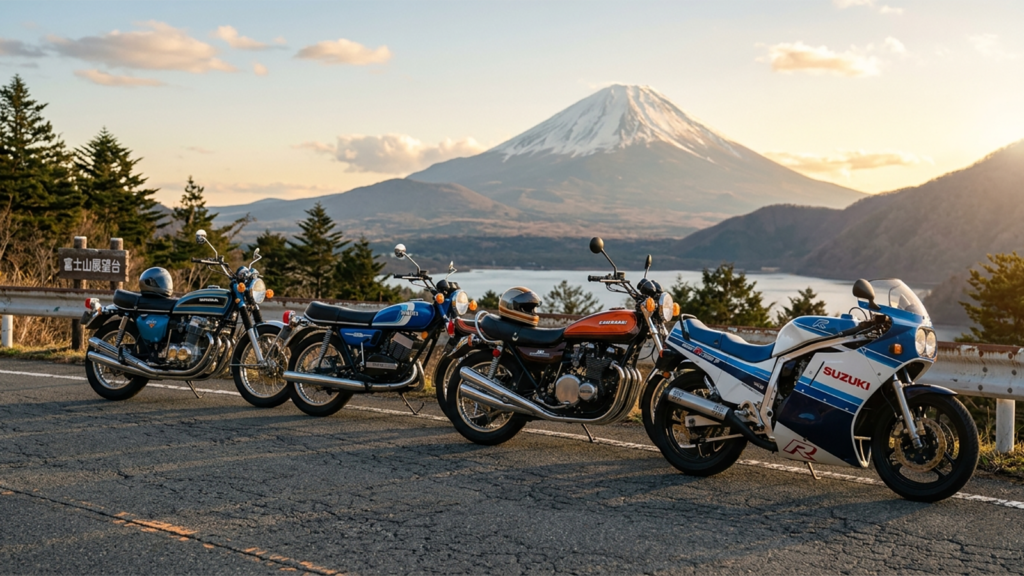
Hamamatsu is home to:
- Honda
- Yamaha
- Suzuki
👉 This is the birthplace of motorcycle excellence.
👉 Discover why here:
Why Hamamatsu Is the True Motorcycle Capital of the World (Not Tokyo or Osaka)
How to Experience Japanese Motorcycles in Japan
Step 1: Rent a Motorcycle
You don’t need to bring your own bike.
👉 Japan offers high-quality rentals.
- Well maintained
- Easy to book
- Beginner friendly
Step 2: Choose the Right Area (Hamamatsu)
👉 Hamamatsu is one of the best riding destinations.
- Ocean views
- Lake routes
- Mountain roads
👉 Plan your route here:
Hamamatsu Motorcycle Touring Guide
Step 3: Ride Like a Local
- Ride smoothly
- Respect traffic rules
- Enjoy the scenery
👉 This is the Japanese way.
What If You’re Not Used to Riding in Japan?
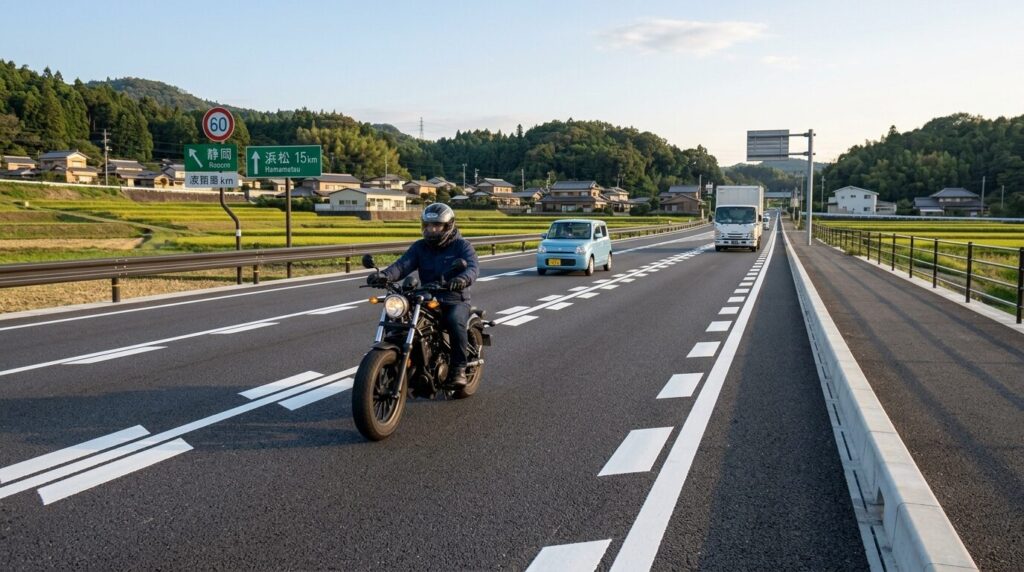
Don’t worry.
Japan is one of the safest places to ride.
- Clean roads
- Clear rules
- Respectful drivers
👉 Even beginners can ride comfortably.
If You’re Choosing Your Next Motorcycle
After understanding this, your perspective changes.
You stop asking:
- “How fast is it?”
And start asking:
👉 “Can I trust this bike?”
🎧 Drive into the golden era
👇 Feel the golden era again
It’s Still Rock and Roll to Me
A powerful and stylish sound that encapsulates the musical energy of the 80s. A song truly made for road music.
If you listen carefully, you should hear the iconic tone of a Roland Jazz Chorus guitar amplifier, a Japanese instrument manufacturer.
Allentown
For driving in Japan, this is the perfect sound, a fusion of attitude and precision. Press play and let’s go for a drive.
A driving rhythm and steady groove—classic 80s music built for long rides and reflection.
On the roads of Japan, this is the sound of motion, resilience, and quiet strength.
We Didn’t Start The Fire
A rapid-fire anthem of 80s music—relentless, rhythmic, and driven like a high-speed ride.
On Japan’s roads, this track feels like history, motion, and energy all moving forward together.
Conclusion
Japanese motorcycles are not just machines.
They are:
- Philosophy
- Culture
- Craftsmanship
And once you experience it:
👉 You will never go back.
👉 Your next step:
Ride one in Japan.
FAQ
Q1: Why are Japanese motorcycles so reliable?
Because they are designed for long-term trust, not short-term performance.
Q2: Are they good for beginners?
Yes. They are easy and predictable.
Q3: Do I need to bring my own bike?
No. You can easily rent one.
Q4: What is Monozukuri?
A philosophy of craftsmanship, precision, and responsibility.
Q5: Are Japanese motorcycles good for beginners?
Yes. They are designed to be easy and predictable.
Q6: Where should I ride in Japan?
Hamamatsu is one of the best areas.