Best Japanese Motorcycle Tire Manufacturers (2026): Top Touring Tires

Best Japanese motorcycle tires Motorcycle Touring Gear
  1. INTRODUCTION
  2. Why Japanese Motorcycle Tires Are Trusted Worldwide
  3. Why Tires Matter for Touring in Japan
  4. Top Japanese Motorcycle Tire Manufacturers
  5. Quick Comparison: Best Japanese Motorcycle Tire Brands
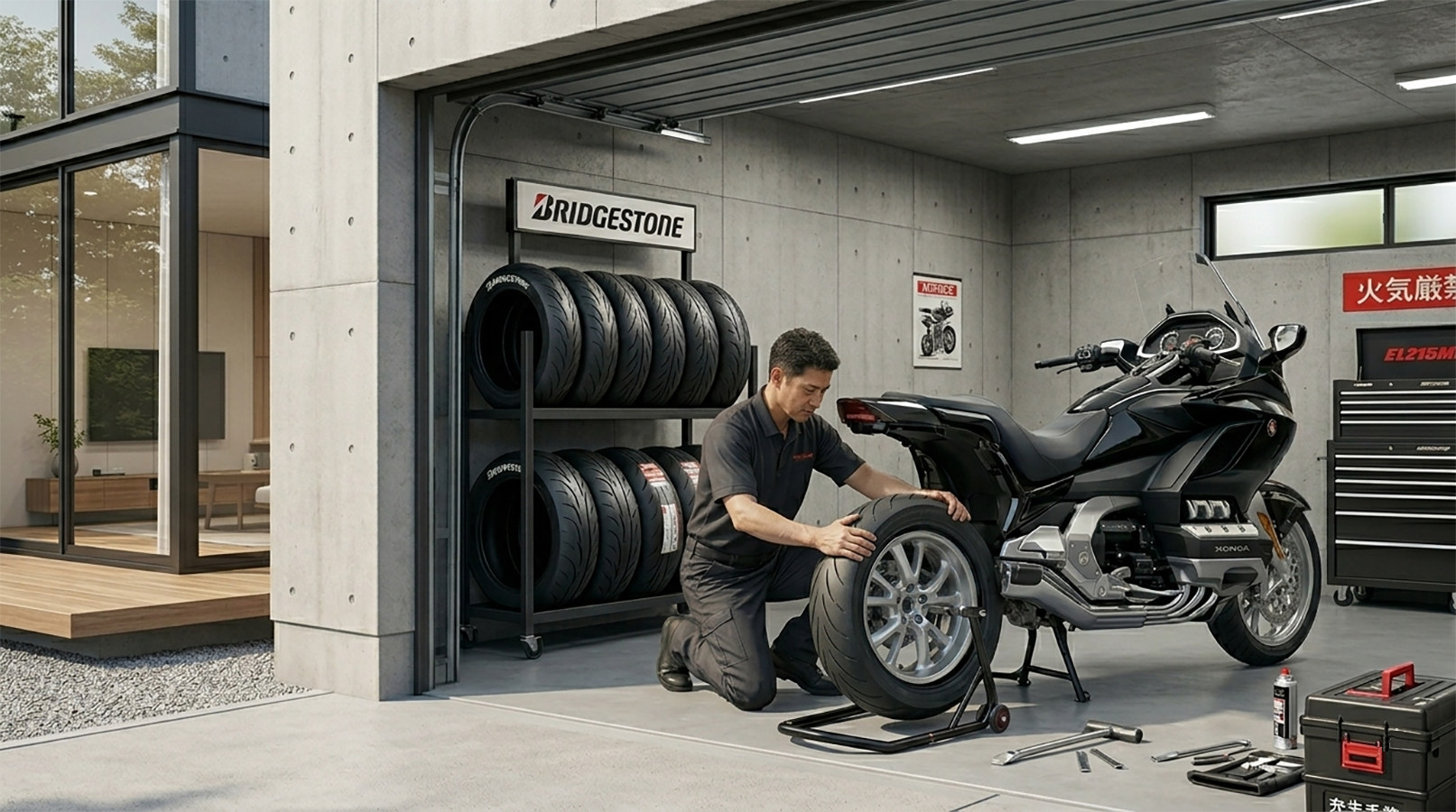
  6. Bridgestone Motorcycle Tires
  7. Dunlop Japan
  8. IRC Tire
  9. Best Tires for Touring Japan
  10. Best Japanese Motorcycle Tires for Touring Japan
    1. Top Touring Tire Recommendations
  11. Tire Selection Tips for Japan Roads
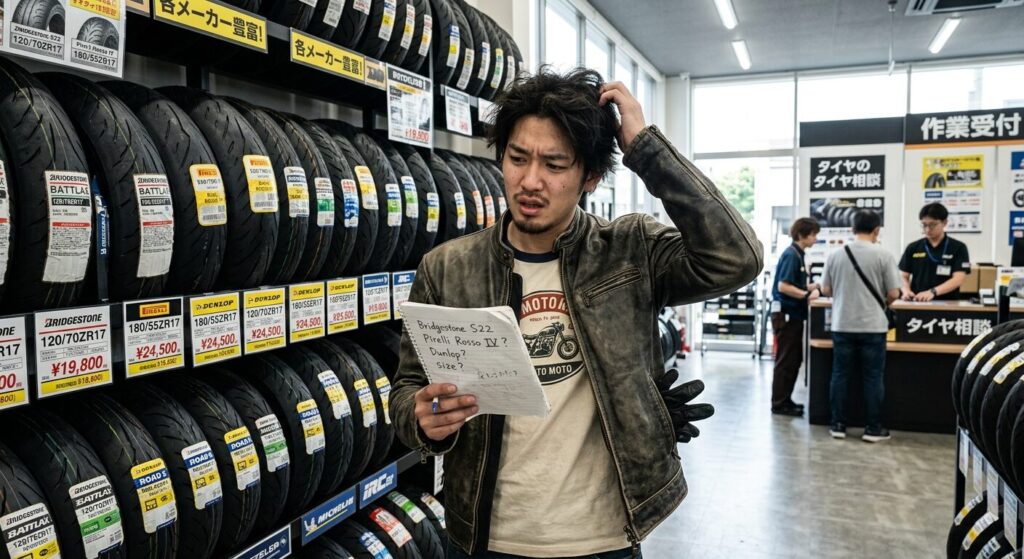
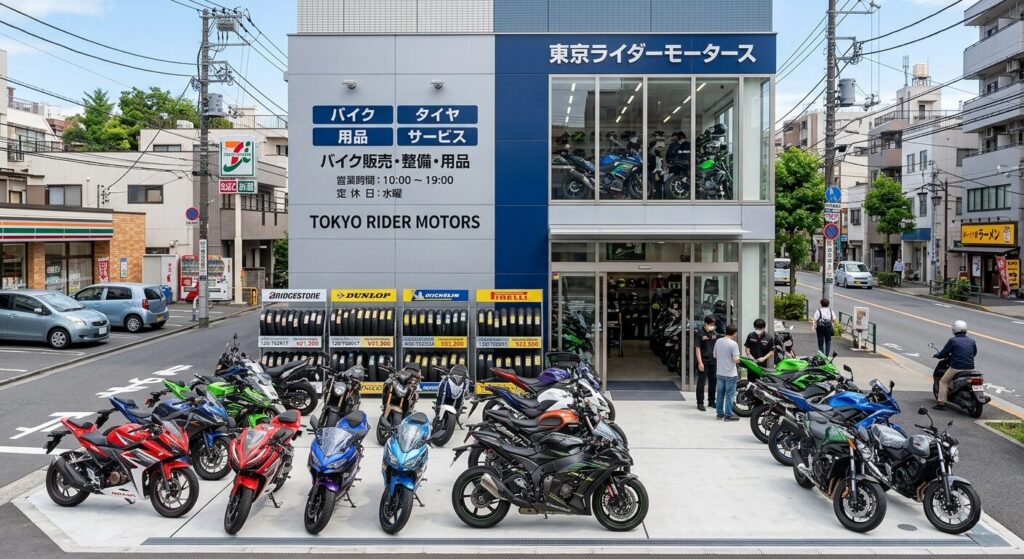
  12. Where to Buy Motorcycle Tires in Japan
    1. Popular Motorcycle Shops in Japan
  13. Seasonal Riding Advice
  14. When Should You Replace Motorcycle Tires?
    1. Signs You Need New Tires
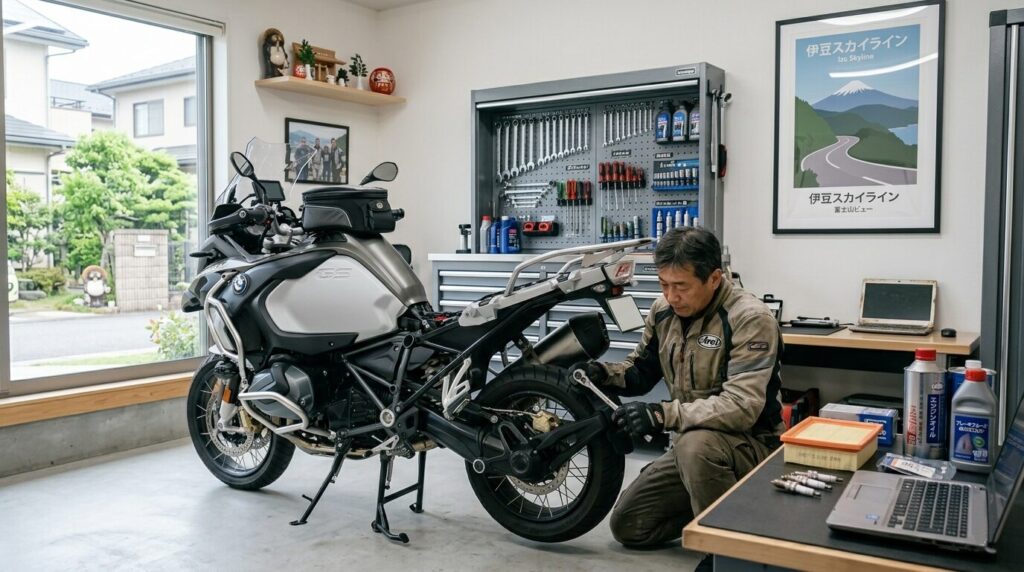
  15. How to Check Motorcycle Tire Life and Wear
    1. Check the Tread Wear Indicator
    2. Check Surface Cracking
    3. Check Sidewall Damage
    4. How to Read Tire Manufacturing Date
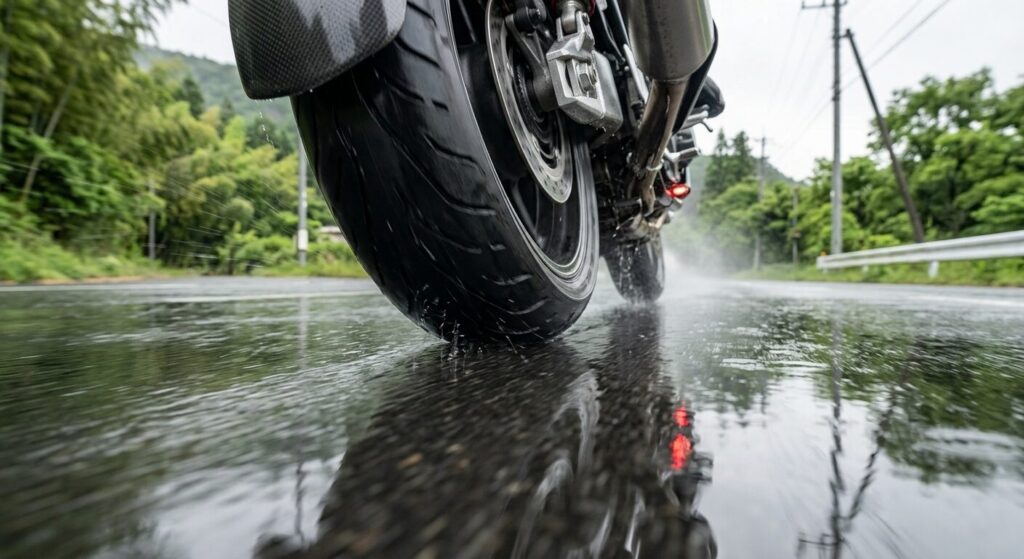
  16. How to Ride Safely in Rainy Conditions
    1. Common Rain Hazards
    2. Dangerous Surfaces in Rain
    3. Rain Riding Tips
  17. How to Prevent Flat Tires
    1. Avoid Road Edges
    2. Best Riding Position
    3. Intersection Hazards
  18. Why Motorcycle Tire Pressure Is Extremely Important
    1. Benefits of Proper Tire Pressure
    2. Risks of Low Tire Pressure
    3. When to Check Tire Pressure
    4. Where to Check Tire Pressure in Japan
    5. Where to Find Recommended Tire Pressure
    6. Pay Attention to Pressure Units in Japan
  19. Motorcycle Tire Tips for Japanese Highways
    1. Common Highway Tire Risks
    2. Highway Riding Tips
    3. Watch for Grooved Roads
    4. Watch for Steel Expansion Joints
  20. Hidden Road Hazards Riders Often Miss
    1. Center of Intersections
    2. Painted Road Markings
  21. Temperature and Tire Performance
    1. Cold Weather Risks
    2. Hot Weather Risks
  22. Rental Motorcycle Tire Safety Tips
    1. What to Check
    2. What to Do If You Get a Flat Tire
  23. Common Motorcycle Tire Myths
    1. Myth 1: More Tire Pressure Is Safer
    2. Myth 2: New Tires Always Have Maximum Grip
    3. Myth 3: Tires Only Wear in the Center
  24. Conclusion
  25. RELATED ARTICLES

INTRODUCTION

Japanese motorcycle tire manufacturers are trusted by riders worldwide for their reliability, durability, and performance. Whether riding winding mountain roads, coastal highways, or dense city streets, Japanese tires are built for real-world riding conditions.

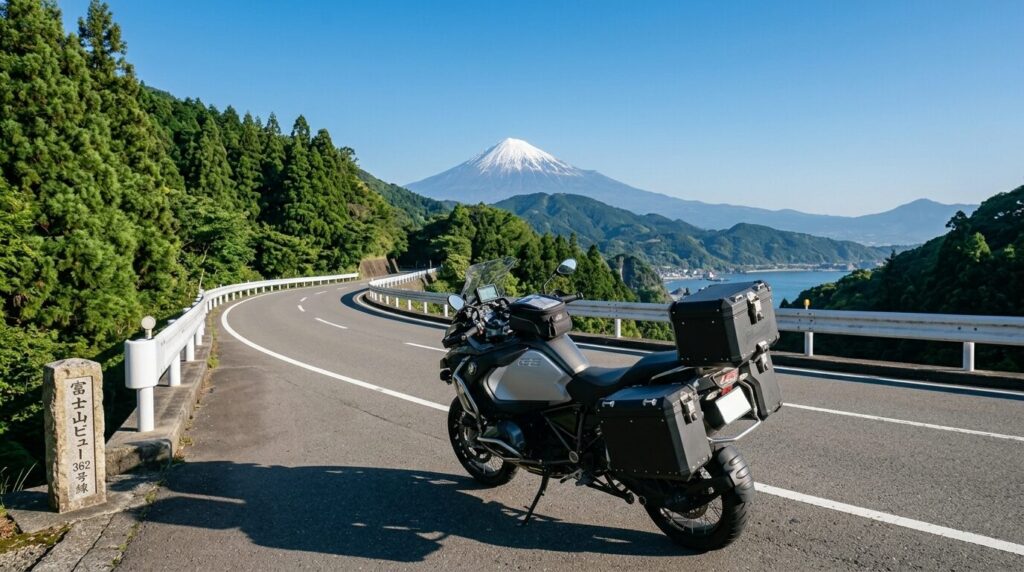
Japan offers some of the most diverse riding environments in the world. From the alpine curves of the Japanese Alps to the coastal roads of Shizuoka and Hokkaido’s long-distance highways, riders need tires that perform in changing weather and road conditions.

That’s why many touring riders specifically look for Japanese motorcycle tire brands. These tires are designed for stability, comfort, and safety — all essential for long-distance motorcycle travel.

In this guide, we’ll explore the best Japanese motorcycle tire manufacturers and help you choose the right tire for your riding style in Japan.


Why Japanese Motorcycle Tires Are Trusted Worldwide

Japanese manufacturers are known for:

• durability
• wet performance
• comfort
• long lifespan

Japanese roads include:

• mountain passes
• wet coastal roads
• urban stop & go

Japanese tire brands design specifically for these.

Why Tires Matter for Touring in Japan

Japan offers unique riding conditions that require reliable tires.

  • Mountain roads
  • Wet coastal roads
  • Changing temperatures
  • Narrow roads

Choosing the right tires improves safety and comfort.


Top Japanese Motorcycle Tire Manufacturers

Top brands:

  1. Bridgestone
  2. Dunlop Japan
  3. IRC Tire
  4. Yokohama
  5. Falken (motorcycle related)
  6. Toyo (limited motorcycle)

Quick Comparison: Best Japanese Motorcycle Tire Brands

If you’re unsure which Japanese motorcycle tire brand to choose, this quick comparison will help you decide based on your riding style.

BrandBest ForStrengthRecommended Riders
BridgestoneTouring / SportBalanced performanceAll riders
Dunlop JapanLong-distance touringComfort & durabilityTouring riders
IRCDual sport / small bikesVersatilityAdventure riders

This table helps riders quickly identify the best tire based on their needs and riding style.


Bridgestone Motorcycle Tires

Bridgestone is Japan’s largest tire manufacturer.

Popular Models

• Battlax T32
• Battlax Adventure A41
• Battlax Hypersport S23

Best for:

• Touring
• Sport riding
• Adventure


Dunlop Japan

Dunlop Japan operates separately from global Dunlop.

Popular:

• Roadsmart IV
• Sportmax
• Trailmax

Great for touring.


IRC Tire

IRC is Japanese motorcycle tire specialist.

Popular for:

• Dual sport
• Off-road
• Small bikes


Best Tires for Touring Japan

Best touring tires:

• Bridgestone T32
• Dunlop Roadsmart IV
• IRC Road Winner

Perfect for:

• Hakone Turnpike
• Izu Skyline
• Alps Route

Best Japanese Motorcycle Tires for Touring Japan

If you’re planning motorcycle touring in Japan, choosing the right tire can make a huge difference in comfort and safety.

Top Touring Tire Recommendations

  • Bridgestone Battlax T32 — Best overall touring tire
  • Dunlop Roadsmart IV — Best long-distance comfort
  • IRC Road Winner — Budget touring option

These tires are widely available in Japan and suitable for popular touring routes such as:

  • Hakone Turnpike
  • Izu Skyline
  • Japanese Alps
  • Hokkaido touring roads

If you’re renting a motorcycle in Japan, check the tire condition before starting your trip. Good tires improve safety and riding enjoyment.


Tire Selection Tips for Japan Roads

Japan road conditions:

• narrow roads
• mountain curves
• wet surfaces

Choose:

• good wet grip
• stability


Where to Buy Motorcycle Tires in Japan

Japan offers many motorcycle gear shops where riders can purchase and install tires.

Popular Motorcycle Shops in Japan

  • NAPS
  • 2Rinkan
  • Ricoland
  • Nankai
  • Up Garage Riders

These stores usually offer:

  • Tire installation services
  • Professional advice
  • Same-day installation

Many shops also allow online reservations, which is helpful during busy travel seasons.


Seasonal Riding Advice

Spring
Cherry blossom season
Cold mornings

Summer
Hot roads

Autumn
Best riding season

Winter
Snow region caution

When Should You Replace Motorcycle Tires?

Knowing when to replace your motorcycle tires is important for safety and performance.

Signs You Need New Tires

  • Low tread depth
  • Cracks in rubber
  • Uneven wear
  • Reduced grip in wet conditions

If you’re planning a long-distance tour in Japan, replacing worn tires before your trip is recommended.

How to Check Motorcycle Tire Life and Wear

Knowing when to replace your motorcycle tires is essential for safe riding. Many riders rely only on tread depth, but tire condition involves more than just tread wear.

Check the Tread Wear Indicator

Most motorcycle tires include tread wear indicators. These small raised sections inside the grooves show when the tire is worn out.

  • If the tread is level with the indicator, replace the tire
  • Uneven wear also requires replacement

Check Surface Cracking

Rubber naturally deteriorates over time. Look for:

  • Small cracks on the surface
  • Dry rubber texture
  • Hard rubber feel

These signs indicate aging tires, even if tread remains.

Check Sidewall Damage

Inspect the sidewalls for:

  • Cracks
  • Bulges
  • Cuts

Sidewall damage is dangerous and requires immediate replacement.

How to Read Tire Manufacturing Date

Motorcycle tires include a manufacturing date printed on the sidewall.

Example: DOT 3523

  • 35 = Week number
  • 23 = Year (2023)

Most manufacturers recommend replacing tires after 4–5 years, even if unused.

How to Ride Safely in Rainy Conditions

Rain dramatically reduces motorcycle tire grip. Riders should adjust riding style accordingly.

Common Rain Hazards

  • Reduced grip
  • Longer braking distance
  • Slippery surfaces

Dangerous Surfaces in Rain

  • Road markings
  • Metal covers
  • Painted surfaces
  • Bridge joints

Rain Riding Tips

  • Reduce speed
  • Increase following distance
  • Avoid sudden braking
  • Ride smoothly

How to Prevent Flat Tires

Flat tires are one of the most common motorcycle problems during touring.

Avoid Road Edges

The edges of roads often collect debris such as:

  • Glass
  • Nails
  • Metal fragments

These materials accumulate due to traffic and rain.

Best Riding Position

The safest riding line is often where car tires travel. This area is usually cleaner and safer.

  • Avoid riding too far left
  • Follow car tire tracks

Intersection Hazards

Small gravel often accumulates at intersections, especially when waiting to turn right.

These areas can be slippery and dangerous.

Why Motorcycle Tire Pressure Is Extremely Important

Proper tire pressure is one of the most important factors for safe motorcycle riding. Many riders underestimate tire pressure, but it directly affects safety, tire life, and riding comfort.

Benefits of Proper Tire Pressure

  • Improved safety and grip
  • Longer tire lifespan
  • Better fuel efficiency
  • Reduced risk of flat tires
  • Improved stability
  • Better braking performance

Risks of Low Tire Pressure

  • Increased tire wear
  • Overheating tires
  • Reduced fuel efficiency
  • Unstable handling
  • Higher risk of flat tires

When to Check Tire Pressure

  • Before long-distance touring
  • After temperature changes
  • At least once a week

Tire pressure changes with temperature. Cold mornings in mountain regions like the Japanese Alps or Hokkaido can significantly affect tire pressure.

Where to Check Tire Pressure in Japan

If you’re unfamiliar with these units, double-check the conversion before adjusting tire pressure.

  • Gas stations
  • Motorcycle shops
  • Service areas on highways

Japanese highway service areas often have air pumps available for riders.

Where to Find Recommended Tire Pressure

The recommended tire pressure for your motorcycle is usually shown on a label attached to the motorcycle. Common locations include:

  • Under the seat
  • Near the swingarm
  • Inside the owner’s manual

Always follow the manufacturer’s recommended tire pressure for the best performance and safety.

Pay Attention to Pressure Units in Japan

Be careful with pressure units when checking tire pressure in Japan. Many air pumps at Japanese gas stations and motorcycle shops display pressure in kPa (kilopascal) or kgf/cm².

Common pressure units include:

  • kPa (kilopascal) — Common in Japan
  • kgf/cm² — Sometimes used in Japan
  • PSI — Common in the United States
  • Bar — Common in Europe

Motorcycle Tire Tips for Japanese Highways

Highway riding in Japan introduces different tire challenges compared to city or mountain riding.

Common Highway Tire Risks

  • High-speed heat buildup
  • Strong crosswinds
  • Long-distance fatigue

Highway Riding Tips

  • Check tire pressure before entering highways
  • Avoid sudden lane changes
  • Keep safe following distance
  • Take regular breaks

Watch for Grooved Roads

Some highways in Japan use grooved pavement for drainage. These surfaces may cause slight vibration or instability.

Stay relaxed and avoid overcorrecting steering.

Watch for Steel Expansion Joints

Bridges and elevated highways often include steel expansion joints. These can become slippery, especially in rain.

  • Reduce speed
  • Avoid sudden braking
  • Keep bike upright

Hidden Road Hazards Riders Often Miss

Center of Intersections

Small gravel often accumulates at the center of intersections, especially when waiting to turn right.

  • Loose gravel
  • Sand
  • Dust

These materials reduce traction and increase the risk of slipping.

Painted Road Markings

Road paint becomes extremely slippery in rain.

  • Crosswalks
  • Lane markings
  • Stop lines

Reduce lean angle when crossing painted surfaces.

Temperature and Tire Performance

Temperature significantly affects motorcycle tire performance.

Cold Weather Risks

  • Reduced grip
  • Longer warm-up time
  • Hard rubber

Hot Weather Risks

  • Overheating
  • Faster tire wear

Ride smoothly until tires warm up, especially in cold mountain regions.

Rental Motorcycle Tire Safety Tips

Before riding a rental motorcycle, always check tire condition.

What to Check

  • Tread depth
  • Tire pressure
  • Surface damage

What to Do If You Get a Flat Tire

  • Stop safely
  • Contact rental company
  • Follow instructions

Most rental companies provide roadside assistance.

Common Motorcycle Tire Myths

Myth 1: More Tire Pressure Is Safer

Incorrect tire pressure reduces grip.

Myth 2: New Tires Always Have Maximum Grip

New tires require break-in period.

Myth 3: Tires Only Wear in the Center

Mountain riding wears edges.


Conclusion

Japanese motorcycle tire manufacturers offer excellent performance and safety.

Choose wisely for best touring experience.

RELATED ARTICLES

  • Best Motorcycle Helmets Japan
  • Best Touring Routes Japan
  • Motorcycle Rental Japan
  • Riding Rules Japan
  • Best Motorcycle Gear Japan
  • Japanese Motorcycle Brands
  • Touring Japan Guide
  • Riding Safety Japan
  • Best Roads Japan
  • Motorcycle Packing Guide

タイトルとURLをコピーしました