- Introduction
- Who This Article Is For
- Why Most Camera Lovers Still Feel Unsatisfied (And Don’t Know Why)
- Why Japanese Camera Brands Dominate the World
- Beyond Technology — The Cultural DNA Behind Japanese Cameras
- Canon vs Nikon vs Sony — Which One Is Actually Best?
- Why Smartphones Still Can’t Replace Japanese Cameras
- In Japan, Everything Becomes a Subject
- From Culture to Legends — The JDM Machines of Photography
- Not Just Cameras — Every Hobby Becomes Photography
- Why Hamamatsu Hits Different
- Unique Photo Scenes You Can Only Capture in Hamamatsu
- What If Your Camera Breaks While Traveling in Japan?
- “Isn’t Hamamatsu Too In-Between?” — That’s Why It Works
- The Moment You Realize: “I’m Coming Back”
- 🎧 Drive into the golden era
- Your Next Move
- Continue Your Japan Experience
- FAQ
- Related Articles
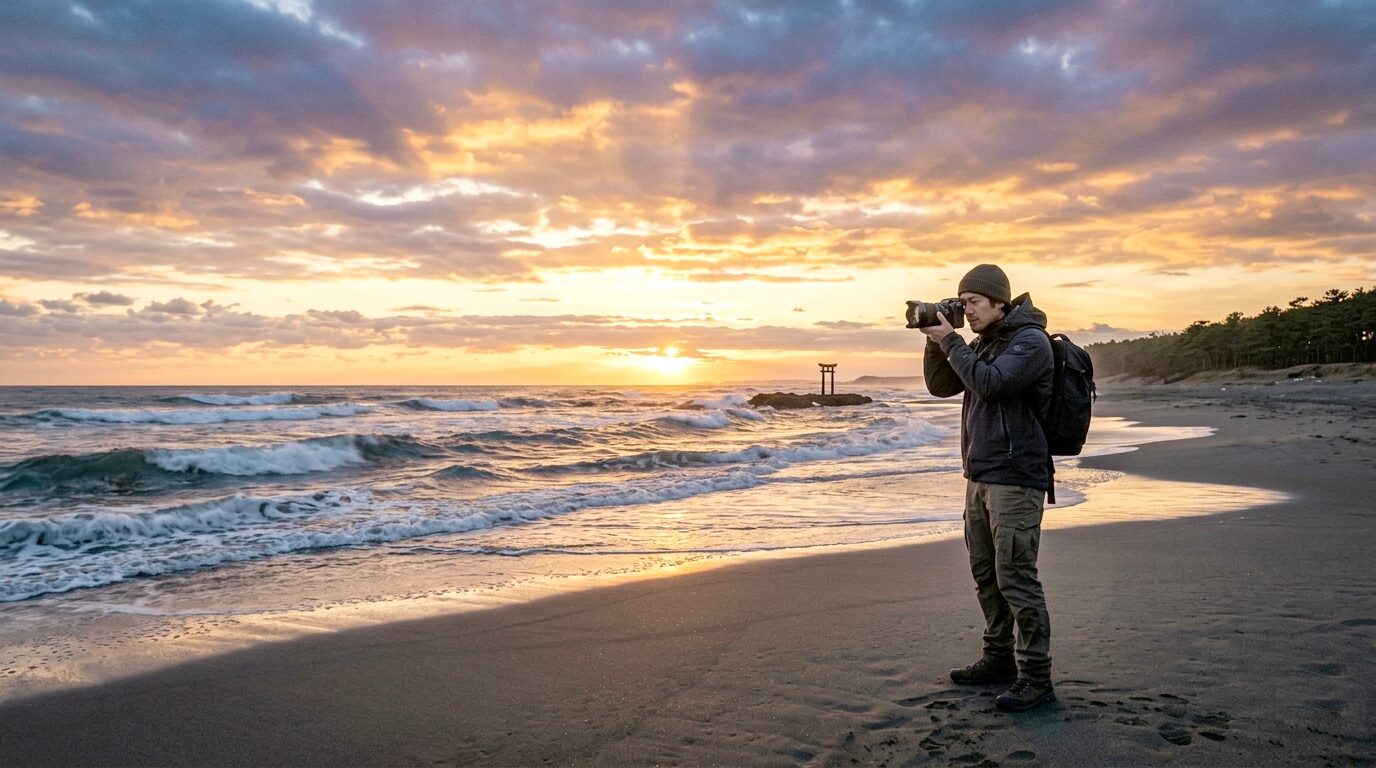
Introduction
Watch how everyday scenes in Japan become cinematic through photography.
You already booked your flight to Japan.
Good.
Now the real question is this:
Will you just visit Japan… or will you actually experience it?
Most people take photos.
Very few people change the way they see.
This article will do three things:
- Explain why Japanese camera brands dominate the world
- Solve why your photos still feel “off”
- Show you why Hamamatsu is where everything clicks
This is not about gear.
This is about becoming a photographer.
If you’re planning to explore Japan beyond the surface, start here:
→ Start Here: Your Complete Guide to Experiencing Japan
Who This Article Is For
This guide is perfect for:
- Photographers who feel like their images are technically correct… but emotionally empty
- Camera lovers who keep upgrading gear but still feel something is missing
- Travelers who are tired of crowded tourist spots like Tokyo and Kyoto
- Riders, cyclists, and explorers who want freedom, not fixed itineraries
- People who want to experience Japan beyond surface-level tourism
- Creators who care more about moments than megapixels
- Anyone curious about why Japanese camera brands like Canon and Nikon dominate the world
Why Most Camera Lovers Still Feel Unsatisfied (And Don’t Know Why)
You bought a good camera.
You watched YouTube tutorials.
You tried editing.
But your photos still feel… flat.
This is the hidden frustration:
- “Why don’t my photos feel professional?”
- “Why do others capture emotion?”
- “Why does Japan look different in photos?”
Here’s the truth:
Your problem is not skill. It’s environment.
Photography is not just:
- Camera
- Settings
- Technique
It’s:
Environment × Culture × Perspective
And Japan is where those three align perfectly.
Why Japanese Camera Brands Dominate the World
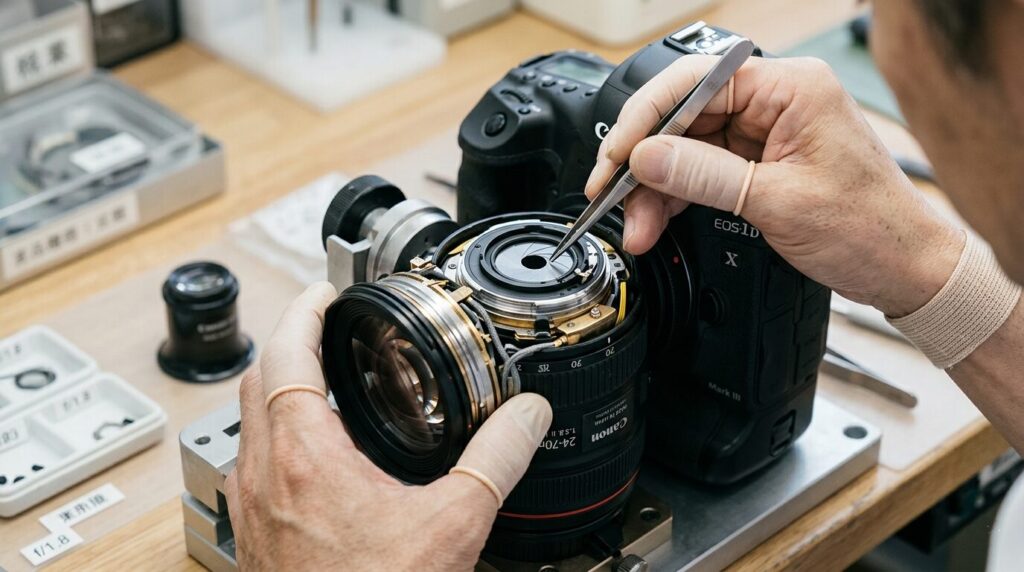
Precision Is Culture, Not Technique
Japanese cameras are not just engineered.
They are built from a culture obsessed with precision.
This comes from:
- Watchmaking
- Automotive engineering
- Optical science
That’s why they feel different.
Not better on paper.
Better in reality.
Competition Created Evolution
Canon, Nikon, Sony.
They didn’t grow comfortably.
They fought.
For decades.
And that pressure created:
- Faster innovation
- Better reliability
- Real-world performance
This is not marketing.
This is survival.
Mastery of Light
Anyone can build a sensor.
Very few understand light.
Japanese brands mastered:
- Lens design
- Glass quality
- Light behavior
That’s why their images feel:
Deep. Natural. Real.
Beyond Technology — The Cultural DNA Behind Japanese Cameras
At this point, you might understand why Japanese camera brands dominate the world from a technical perspective.
But that’s only half the story.
Because in Japan, cameras are not just built through engineering.
They are shaped by culture.
To truly understand why Canon and Nikon became global leaders, you need to look deeper — beyond specs, beyond performance.
You need to understand the mindset behind how these tools are created.
Let’s step into that world.
Canon vs Nikon vs Sony — Which One Is Actually Best?
Here’s a real-world comparison of Canon, Nikon, and Sony in action.
This question gets asked everywhere.
Here’s the honest answer:
There is no best camera. Only the best fit for you.
Canon — The Balanced Choice
- Easy to use
- Reliable
- Beautiful color
Perfect if you want consistency.
Nikon — The Image Purist
- Incredible sharpness
- Strong dynamic range
- Legendary lenses
Perfect if you care about the final image.
Sony — The Innovator
- Best autofocus
- Mirrorless leader
- Strong for video
Perfect if you want cutting-edge tech.
Choose the one that disappears when you shoot.
That’s the right answer.
Why Smartphones Still Can’t Replace Japanese Cameras
Smartphones are powerful.
But they solve a different problem.
Smartphones
- Convenience
- Instant sharing
- AI processing
Cameras
- Real depth
- True light capture
- Lens character
Here’s the truth:
Smartphones simulate photography.
Japanese cameras capture reality.
Once you notice it…
You can’t unsee it.
In Japan, Everything Becomes a Subject
This is what shocks most travelers.
Nothing feels ordinary in Japan.
You will find yourself photographing:
- Vending machines
- Quiet streets
- Train stations
- Convenience stores
Things locals ignore…
You will want to shoot.
Because Japan changes how you see.
Want to explore more real experiences in Japan?
→ Explore Real Japan Experiences
From Culture to Legends — The JDM Machines of Photography
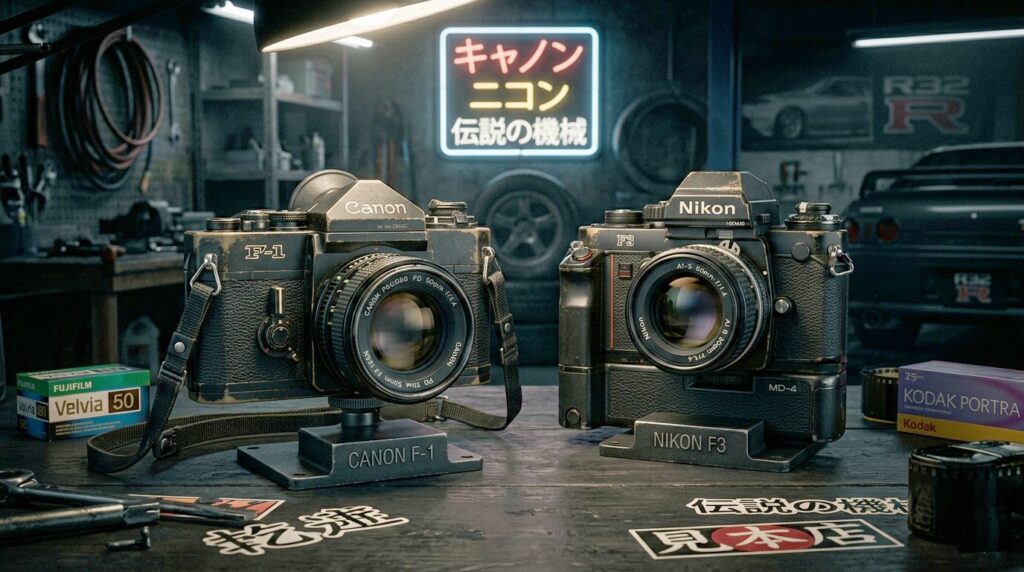
Now you understand the philosophy behind Japanese cameras.
But philosophy alone doesn’t create obsession.
What creates passion…
Are the machines themselves.
In car culture, we call them legends.
Machines that go beyond specs.
Machines that define generations.
Japanese cameras have them too.
This is where Canon and Nikon became icons.
Let’s look at the machines that photographers never forget.
Not Just Cameras — Every Hobby Becomes Photography
This is where Hamamatsu becomes dangerous (in a good way).
Because every hobby becomes a shooting opportunity.
Japan is not just about photography — it’s about hobbies.
→ Discover Japanese Hobby Culture
Motorcycle × Photography
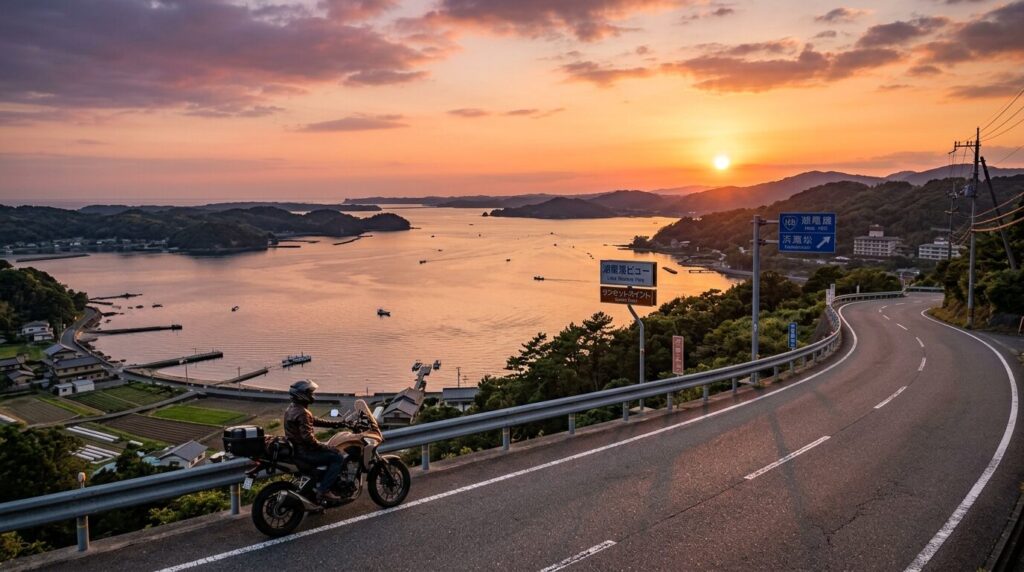
Ride the coastline.
Stop anywhere.
Shoot freely.
Fishing × Photography
Still water.
Silence.
Perfect reflections.
Cycling × Photography
Slow movement.
More detail.
More discovery.
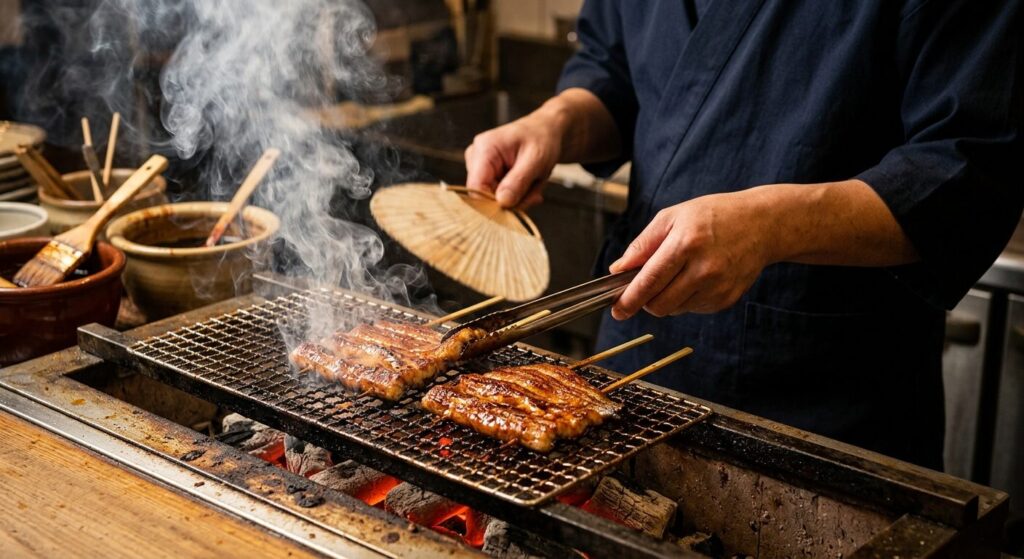
Food × Photography
Real food.
No staging.
Pure culture.
You don’t find subjects here.
They find you.
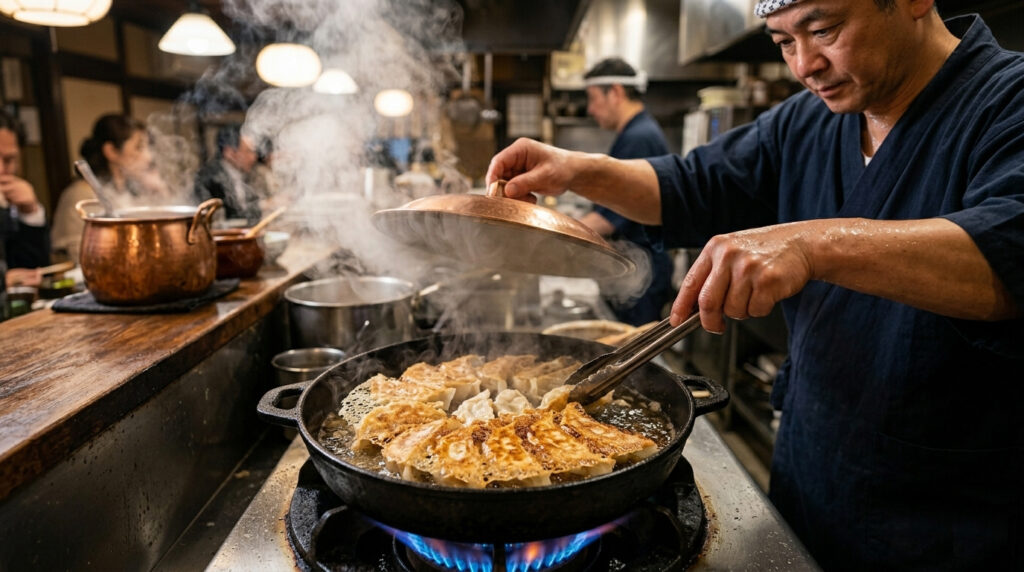
👉 Best Unagi Restaurants in Hamamatsu
Surfing × Photography
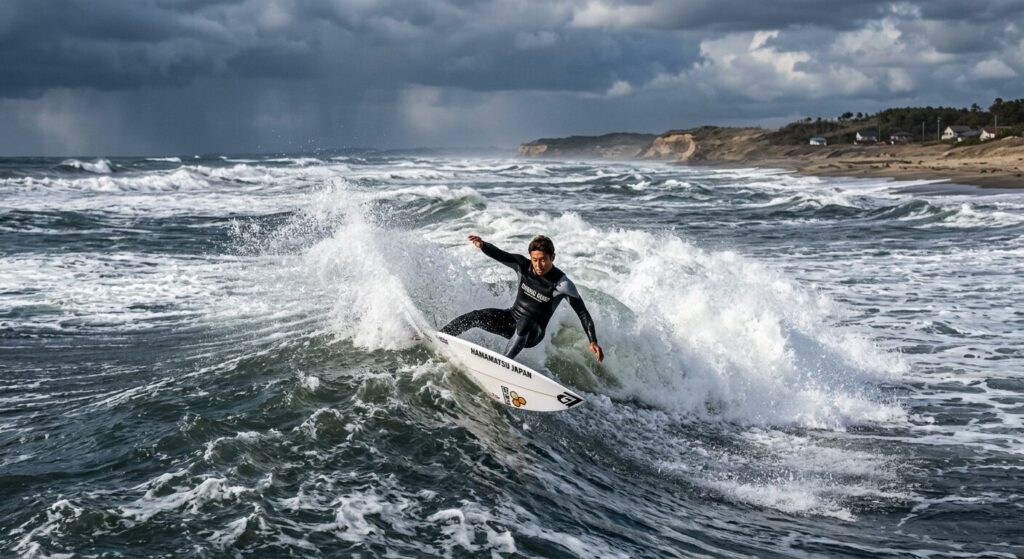
On the Enshu coast, you can surf in powerful ocean waves.
And right after that, capture raw, unfiltered moments by the sea.
Why Hamamatsu Hits Different
Most places are:
- Too crowded
- Too empty
Hamamatsu is neither.
It sits perfectly in between.
That gives you:
- Freedom
- Accessibility
- Space to think
This is where photography improves.
If you want to experience this for real, Hamamatsu is the place to start:
→ Hamamatsu Motorcycle Touring Guide
Unique Photo Scenes You Can Only Capture in Hamamatsu
This video captures the kind of quiet, real moments you can experience in Hamamatsu
Enshu Coast
Wild ocean. Strong wind. Endless horizon.
Minimalism at its best.
Nakatajima Sand Dunes
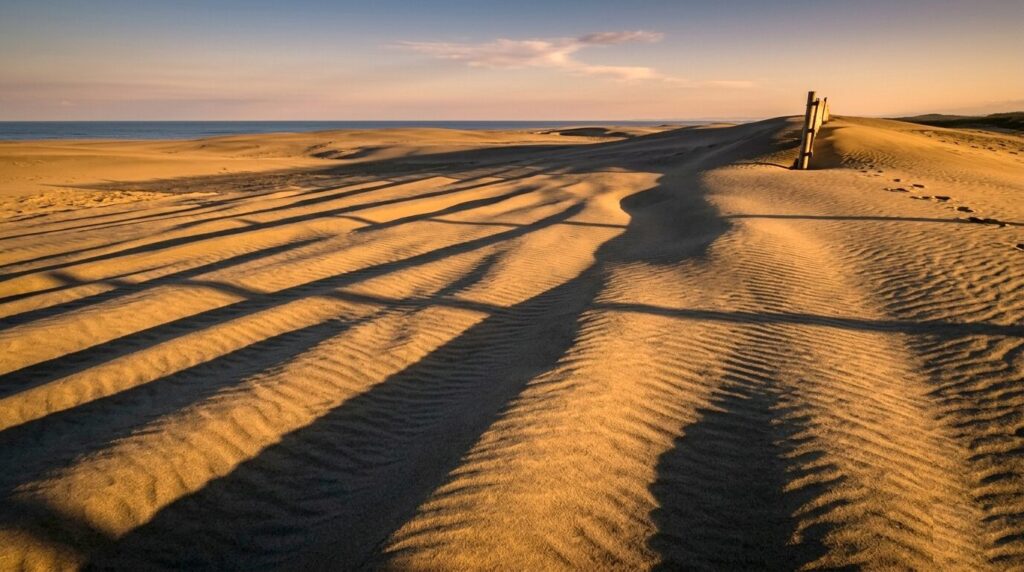
Massive sand textures.
Light and shadow.
It feels like another planet.
Lake Hamana
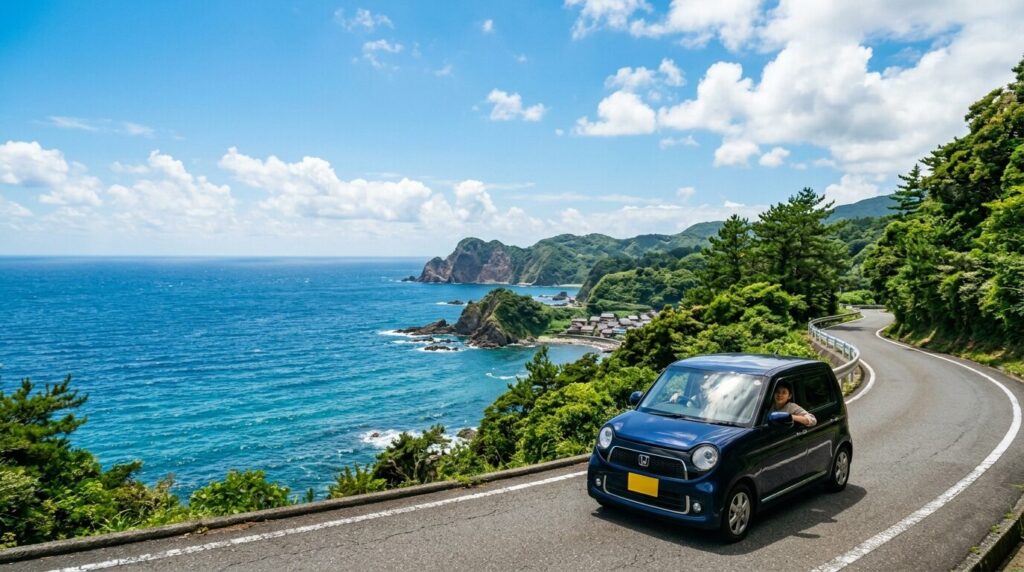
Stillness.
Reflection.
Golden hour magic.
Railway Photography
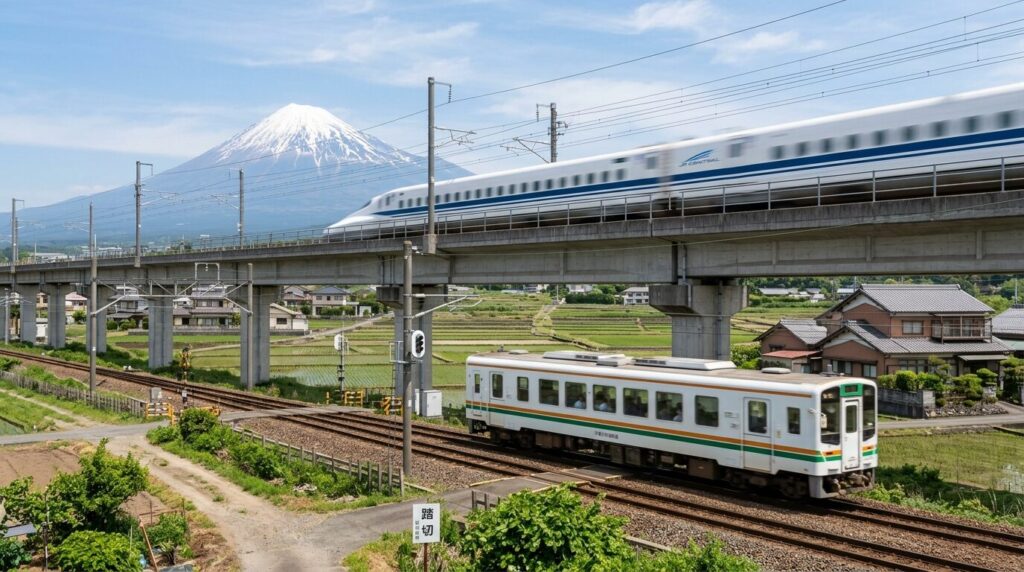
Shinkansen and local trains together.
Speed and stillness in one frame.
Rare. Powerful.
What If Your Camera Breaks While Traveling in Japan?
Let’s be real.
Every photographer worries about gear failure.
Hamamatsu solves that.
- Camera shops available
- Electronics stores nearby
- Easy access to major cities
You get:
Rural freedom + Urban safety
That balance is rare.
If something happens to your gear, you’re not stuck.
Hamamatsu has reliable camera stores where you can get help quickly:
- Bic Camera — Large electronics store with cameras, lenses, and accessories
https://www.biccamera.com.e.lj.hp.transer.com/bc/i/shop/shoplist/shop105.jsp - Kitamura Camera — Specialized shop for repairs, used gear, and expert support
https://store.kitamura.jp/kitamura/detail/4908/
Both are easy to access and foreigner-friendly.
You can keep shooting without stress.
“Isn’t Hamamatsu Too In-Between?” — That’s Why It Works
It’s not Tokyo.
It’s not deep countryside.
Exactly.
That’s the advantage.
No crowds.
No pressure.
No noise.
That’s when your best photos happen.
The Moment You Realize: “I’m Coming Back”
You arrive curious.
You shoot casually.
Then you look at your photos.
And something feels different.
Not better gear.
Better experience.
That’s when it hits:
“I didn’t just visit Japan.”
“I experienced it.”
And then you think:
“I’m coming back.”
🎧 Drive into the golden era
👇 Feel the golden era again
Simon & Garfunkel – Kodachrome
This song captures the soul of photography before everything became digital.
Colors were imperfect, but they felt real.
Moments were slower, but they meant more.
That’s the same feeling you’ll discover in Japan.
Pick up your camera — and see it for yourself.
Your Next Move
You already have the ticket.
Now do it right.
- Bring a camera
- Go beyond Tokyo
- Visit Hamamatsu
- Shoot slower
- Focus on moments
Because once you experience this…
You won’t just take photos.
You’ll see differently.
Ready to explore Shizuoka your own way?
→ Shizuoka Motorcycle Routes Guide
Continue Your Japan Experience
- New Here? Start Here
https://www.hamagolden.tokyo/start-here/ - Japan Experiences (coming soon)
Japan Experiences | Hamamatsu Golden Garage - Japan Hobby Culture: Model Kit, Music, Electronics, Car Audio and Karaoke
https://www.hamagolden.tokyo/category/japanese-hobby-culture/
This is not just a blog.
This is your entry point into real Japan.
FAQ
What makes Japanese camera brands the best?
Precision, reliability, and real-world performance.
Canon vs Nikon vs Sony — which is best?
No best. Choose what fits your shooting style.
Can I trust my camera in Japan?
Yes. Safe country, strong support, easy access to stores.
Is Japan good for photography?
Yes. Even everyday scenes look cinematic.
Why shoot in Hamamatsu?
Coast, dunes, lake, trains — all in one place, no crowds.
Do I need professional gear?
No. Environment matters more than gear.
Is Hamamatsu easy to reach?
Yes. Direct Shinkansen access from Tokyo and Nagoya.
What gear should I bring?
Camera, versatile lens, extra batteries. Keep it light.
What if my camera breaks?
No problem. Camera stores are available in the city.
Will I want to come back?
Yes. Japan changes how you see.
Related Articles
- Japan Hobby Culture
- Ultimate Guide to Motorcycle Touring in Japan: Routes, Costs, Rentals & Travel Tips
- Ultimate Guide to Japanese Hobby Culture: Why Shizuoka is the World’s Model Kit Capital
- 1980s Golden Age Japan: The City That Changed Music You Can Visit
- Japanese Electronics Golden Age: Why 80s–90s JDM Appliances Still Fascinate the World
- Hamamatsu: The City That Shaped Global Sound (Yamaha, Roland, and Beyond)
- Why the World Buys Records from Japan: The Hidden Vinyl Culture
- Japanese Car Audio Golden Age: Why 80s–90s JDM Sound Systems
- Japanese Karaoke Culture: How Japan Invented Karaoke